A car battery is one of the most important components of a vehicle's electrical system. It supplies the power required to start the engine and supports essential electrical equipment such as headlights, infotainment systems, dashboard displays, central locking and other electronic features. However, like every other vehicle component, a battery gradually loses its performance over time.
Many drivers only realise that their car battery is failing when the engine refuses to start. In reality, a weak battery often provides several warning signs before it completely stops working. Slow engine cranking, dim headlights, electrical problems and corrosion around battery terminals are some of the common symptoms that should not be ignored.
Understanding these early warning signs can help car owners avoid unexpected breakdowns and unnecessary inconvenience. Regular inspection, proper maintenance and timely battery testing can also extend battery life and improve vehicle reliability.
Down Payment and Car Loan EMI: How Much Should You Pay?
Why Is a Car Battery Important?
A car battery stores electrical energy and supplies the power needed to start the engine. When the driver turns the ignition key or presses the start button, the battery sends electricity to the starter motor, allowing the engine to begin operating.
Once the engine is running, the alternator generally supplies electricity to the vehicle's electrical systems and recharges the battery.
Modern vehicles depend heavily on battery power because they contain numerous electronic components. These include engine control units, sensors, touchscreen infotainment systems, digital instrument clusters, parking sensors and advanced driver assistance systems.
A weak battery can affect several of these systems and may cause warning messages or unusual electrical behaviour.
In vehicles equipped with start-stop technology, hybrid systems or advanced electronics, using the correct battery specification is particularly important.
1. Slow Engine Starting Is an Early Warning Sign
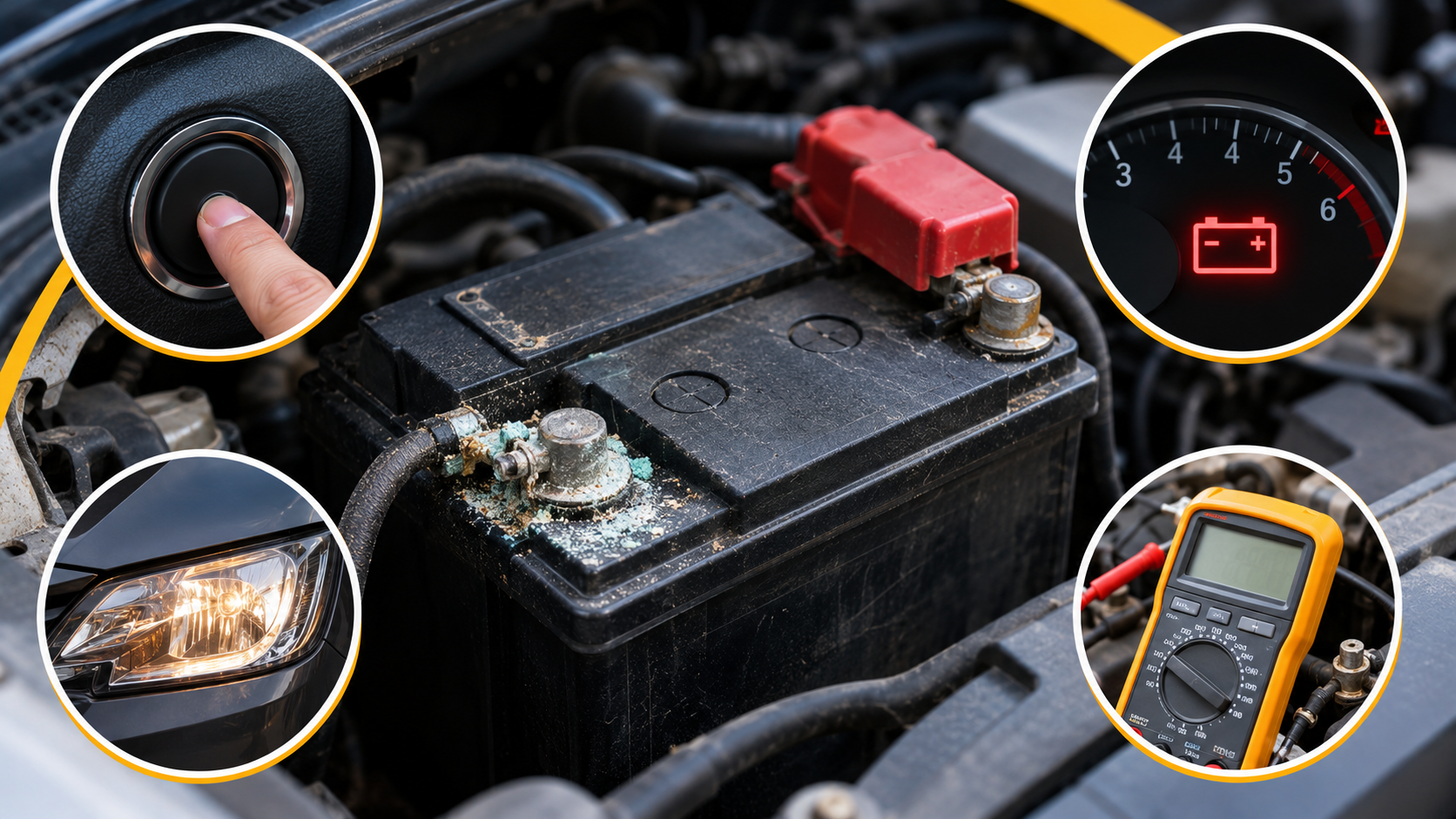
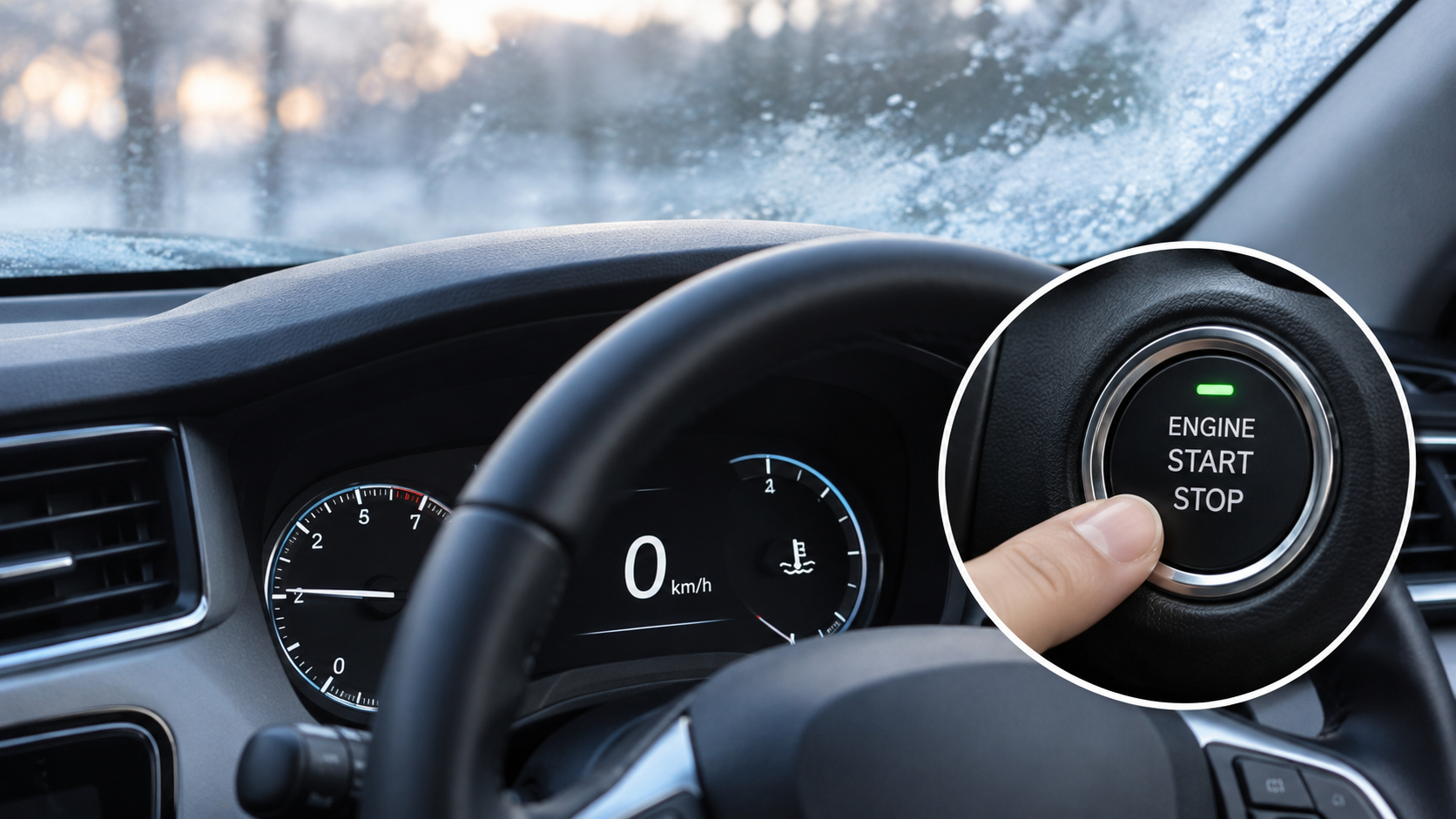
One of the most noticeable symptoms of a weak car battery is slow engine cranking.
When the battery is healthy, the starter motor generally turns the engine quickly when the ignition is activated. However, as battery performance decreases, it may struggle to provide sufficient electrical current.
Drivers may notice that the engine takes longer than usual to start. Instead of starting immediately, the starter motor may turn slowly before the engine finally comes to life.
This problem can become more noticeable during cold mornings because low temperatures reduce a battery's ability to deliver starting power.
Slow starting does not always mean the battery needs replacement. A faulty starter motor, poor electrical connections, damaged cables or an alternator problem can produce similar symptoms.
If the vehicle repeatedly takes longer to start, getting the battery and charging system tested is a sensible step.

2. Dim Headlights and Interior Lights
Another common indication of battery-related problems is reduced lighting performance.
When a battery becomes weak, drivers may notice that headlights appear dimmer, particularly when the engine is switched off or when the vehicle is being started.
Interior lights, dashboard illumination and other electrical accessories may also behave inconsistently.
However, dim headlights while the engine is running can also indicate an alternator or electrical system problem.
Car owners should therefore avoid assuming that every lighting issue is caused by the battery. A professional inspection can help identify whether the problem comes from the battery, alternator, wiring or another component.
3. Battery Terminal Corrosion
Corrosion around battery terminals is another problem that deserves attention.
Battery terminals connect the battery to the vehicle's electrical system. Over time, chemical reactions and battery venting can cause deposits to develop around these connections.
The corrosion may appear as white, blue, green or powdery material around the positive or negative terminal.
Excessive corrosion can interfere with electrical conductivity and increase resistance in the connection. This may result in starting difficulties, inconsistent electrical performance and charging problems.
Drivers should inspect battery terminals periodically for visible deposits, loose connections and signs of damage.
Cleaning should be performed safely with the ignition switched off and the vehicle manufacturer's recommended procedure followed. If the battery is leaking, swollen or damaged, it should be inspected by a qualified technician rather than handled casually.
Car Loan Eligibility: How to Check Before You Apply
4. Battery Warning Light Appears on the Dashboard
The battery-shaped warning light on the dashboard is another important indicator.
Many drivers believe that this warning light always means the battery needs replacement. However, it generally indicates a problem with the vehicle's charging system.
Possible causes include:
-
A failing alternator.
-
A loose or damaged alternator belt.
-
Faulty battery connections.
-
Damaged charging system wiring.
-
Battery-related electrical problems.
If the battery warning light remains illuminated while the engine is running, the vehicle may not be charging its battery correctly.
Continuing to drive with a charging system problem can eventually result in the battery losing its charge and the engine stopping.
Drivers should arrange an inspection as soon as possible when this warning appears.
5. Clicking Sound When Starting the Car
A clicking sound when turning the ignition key or pressing the start button can indicate insufficient electrical power.
The sound may occur because the starter solenoid is not receiving enough current to operate the starter motor properly.
A weak or discharged battery is one possible reason. Loose battery terminals, corroded connections and starter motor problems can also produce similar symptoms.
If the vehicle makes repeated clicking sounds but does not start, the battery voltage and electrical connections should be checked.
Repeatedly attempting to start the vehicle can further discharge an already weak battery.

6. Electrical Accessories Start Behaving Unusually
Modern cars contain multiple electrical accessories that depend on a stable power supply.
When battery voltage becomes low, some electrical systems may behave unexpectedly.
Drivers may experience:
-
Infotainment system restarting unexpectedly.
-
Power windows operating slowly.
-
Central locking becoming inconsistent.
-
Dashboard displays flickering.
-
Unusual warning messages.
-
Electronic features temporarily becoming unavailable.
These symptoms do not automatically confirm battery failure. Modern vehicles can also display unusual electrical behaviour because of software faults, wiring problems or charging system issues.
Nevertheless, if several electrical problems appear together, checking the battery condition is a good starting point.
How to Get the Best Discount on a New Car in India
7. Frequent Jump-Starting Becomes Necessary
A vehicle that repeatedly needs jump-starting may have a battery or charging system problem.
If the battery becomes discharged after the car has been parked overnight, there may be insufficient stored energy to start the engine.
Possible causes include an ageing battery, a parasitic electrical drain, a faulty alternator or leaving electrical accessories switched on.
Jump-starting can temporarily restore enough power to start the vehicle, but it does not repair the underlying problem.
If jump-starting becomes a regular requirement, the battery, alternator and electrical system should be inspected rather than relying on repeated external assistance.
Common Car Battery Warning Signs at a Glance
The following table explains some common symptoms and their possible causes.
|
Warning Sign
|
Possible Cause
|
Recommended Action
|
|
Slow engine cranking
|
Weak or discharged battery
|
Get battery load-tested
|
|
Dim headlights
|
Low voltage or charging issue
|
Inspect battery and alternator
|
|
Terminal corrosion
|
Chemical deposits or battery venting
|
Inspect and clean connections safely
|
|
Battery warning light
|
Charging system malfunction
|
Check alternator and wiring
|
|
Clicking sound
|
Insufficient starting current
|
Test battery and starter circuit
|
|
Electrical accessories malfunctioning
|
Voltage instability
|
Check electrical connections
|
|
Frequent jump-starting
|
Weak battery or power drain
|
Perform battery and charging tests
|
|
Swollen battery case
|
Heat damage or internal battery fault
|
Arrange immediate professional inspection
|
How to Test Your Car Battery
Battery testing is one of the most effective ways to determine whether a battery is healthy or approaching the end of its useful life.
There are several methods available.
1. Visual Inspection
Start by checking the battery's external condition.
Look for corrosion around the terminals, damaged cables, loose connections, cracks, leakage or swelling.
A battery with a swollen case or visible leakage should not be used until it has been inspected by a qualified technician.
Visual inspection can identify obvious problems, but it cannot accurately measure the battery's remaining capacity.
2. Voltage Testing With a Multimeter
A digital multimeter can help measure battery voltage.
For a conventional 12V lead-acid battery, a fully charged battery typically measures around 12.6–12.8 volts when resting, although readings vary with battery type, temperature and condition.
A reading around 12.4 volts may indicate partial discharge, while a reading near or below 12.0 volts generally suggests significant discharge.
These figures are approximate indicators, not a complete assessment of battery health.
Voltage alone cannot confirm whether a battery can deliver sufficient current to start the engine.
3. Battery Load Testing
A battery load test checks how well the battery performs under an electrical load.
It helps determine whether the battery can deliver the required starting power without its voltage dropping excessively.
A professional battery tester can assess the battery's condition and provide information about its starting capability.
This is particularly useful when a vehicle shows slow cranking even though the resting voltage appears normal.
4. Charging System Testing
Testing should not stop with the battery.
The alternator and charging system must also be checked to ensure that the battery receives adequate charging while the engine is running.
A faulty alternator may leave a healthy battery discharged, creating symptoms similar to battery failure.
A technician can measure charging voltage and inspect the alternator, wiring, belt and related components.
Banks vs NBFCs for a Car Loan: How to Choose in India
What Causes a Car Battery to Fail Early?
Car batteries gradually lose their ability to store and deliver electrical energy. However, certain driving habits and environmental conditions can accelerate this process.
Frequent Short Trips: Repeated short journeys may not provide enough time for the alternator to replace the energy used during engine starting.
Extreme Temperatures: High temperatures can accelerate chemical ageing inside a battery, while cold weather reduces its available starting power.
Leaving Electrical Accessories On: Headlights, interior lights and other electrical equipment can discharge the battery when the engine is switched off.
Long Parking Periods: Vehicles left unused for extended periods may experience battery discharge because some electronic systems continue consuming small amounts of electricity.
Faulty Alternator: An alternator that does not charge correctly can leave the battery undercharged.
Poor Terminal Connections: Loose or corroded terminals can increase electrical resistance and affect charging and starting performance.
How Long Does a Car Battery Last?
The average lifespan of a conventional car battery is generally around three to five years, although actual life depends on battery technology, climate, driving conditions and maintenance.
In some vehicles, batteries may last longer, while others may require replacement earlier.
Vehicles operating in hot climates, those used mainly for short journeys and cars that remain parked for extended periods may experience reduced battery life.
Start-stop vehicles often use specialised EFB or AGM batteries, depending on manufacturer requirements. These batteries are designed for different operating demands and should not be replaced with an incompatible conventional battery.
Checking the battery's manufacturing date and maintenance history can help owners understand its age and condition.
When Should You Replace Your Car Battery?
Battery replacement becomes necessary when testing confirms that the battery can no longer provide reliable starting performance or maintain an adequate charge.
Some important situations include:
-
The battery repeatedly fails load testing.
-
The engine regularly struggles to start despite proper charging.
-
The battery cannot retain its charge.
-
The battery case becomes swollen or damaged.
-
The battery has visible leakage.
-
The battery repeatedly requires jump-starting because of internal deterioration.
Before replacing the battery, it is important to identify the actual cause of the problem. Otherwise, a new battery may also become discharged if the alternator is faulty or an electrical drain remains unresolved.

How to Choose the Right Replacement Battery
Selecting the correct replacement battery is important for vehicle performance and electrical safety.
Car owners should check the manufacturer's recommended battery specifications before purchasing a replacement.
Important factors include:
Battery Size: The replacement should fit securely in the designated battery compartment.
Voltage: Most conventional passenger cars use a 12V battery, but the exact specification should always be verified.
Cold Cranking Amps (CCA): This indicates the battery's ability to deliver starting current under cold conditions. Choose a rating that meets the manufacturer's requirements.
Battery Capacity (Ah): Ampere-hour capacity indicates the battery's energy storage capability. The recommended rating should be followed.
Battery Technology: Vehicles may require conventional flooded, EFB or AGM batteries. These technologies are not universally interchangeable.
Warranty: Check the manufacturer's warranty period and replacement conditions before purchasing.
Some modern vehicles may also require battery registration or electronic system adaptation after replacement. This should be confirmed with the vehicle manufacturer or a qualified technician.
Simple Tips to Extend Car Battery Life
Regular battery care can help reduce the risk of unexpected failure.
-
Check battery terminals periodically for corrosion and loose connections.
-
Avoid leaving headlights and electrical accessories switched on when the engine is off.
-
Drive the vehicle regularly to help maintain battery charge.
-
Get the charging system inspected during routine servicing.
-
Avoid unnecessary short trips when possible.
-
Check battery voltage and condition periodically, especially as the battery ages.
-
Use an appropriate battery maintainer if the vehicle will remain unused for an extended period.
-
Replace an ageing battery when testing indicates that its performance is no longer reliable.
These simple precautions can help improve battery reliability and reduce unexpected starting problems.
Conclusion
A failing car battery rarely becomes a problem without showing some warning signs. Slow engine cranking, dim lights, terminal corrosion, clicking sounds and repeated jump-starting can indicate that the battery or charging system needs attention.
Regular inspection and professional battery testing can help identify problems before the vehicle becomes stranded. Drivers should also remember that alternator faults, electrical drains and damaged connections can produce symptoms similar to battery failure.
Replacing the battery at the right time and choosing the correct specification can help maintain reliable vehicle operation. Instead of waiting for the engine to stop starting, car owners should pay attention to early warning signs and take preventive action.
A little attention to battery health can save time, reduce unexpected repair expenses and make everyday driving more dependable.

 Khyati Sharma 2026-11-09