
 Khyati Sharma 2026-11-11
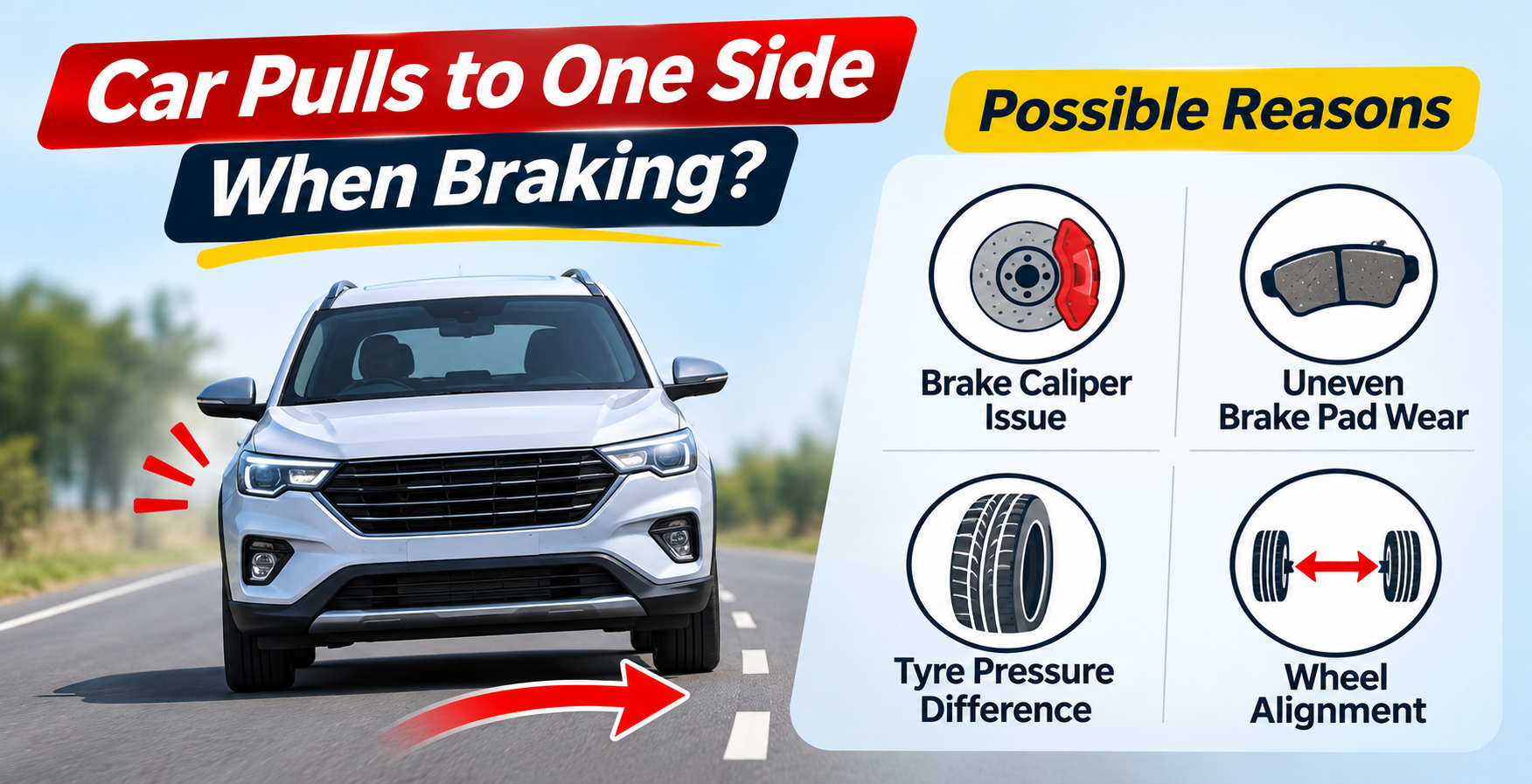
A car should slow down in a straight and controlled manner when you apply the brakes. However, if your vehicle suddenly pulls towards the left or right during braking, it could indicate a problem with the braking system, suspension, tyres or wheel alignment.
This issue can be particularly concerning because it affects the vehicle's stability and makes emergency braking more difficult. You may notice the steering wheel moving slightly to one side, the vehicle drifting towards the edge of the road or requiring additional steering correction to maintain a straight line.
Sometimes the pulling happens only during hard braking, while in other situations it may occur even when you apply the brakes gently. These differences can help a mechanic identify the possible cause.
Resting Your Foot Lightly on the Clutch Does Not Affect It: Myth or Fact?
A sticking brake caliper is one of the common mechanical causes of a car pulling to one side while braking.
In a disc brake system, the caliper applies pressure to the brake pads so they can grip the rotating disc. If one caliper becomes stuck or does not release correctly, the braking force may become uneven between the two sides.
For example, if the left-side caliper remains partially engaged, that wheel may experience additional braking force even when you are not pressing the brake pedal. When you apply the brakes, the difference in braking behaviour can cause the vehicle to pull towards one side.
Possible warning signs include:
Vehicle pulling towards one side during braking
A burning smell near one wheel
Excessive heat around a wheel
Uneven brake pad wear
Reduced fuel efficiency due to brake drag
A sticking caliper can result from corrosion, damaged seals, restricted movement of the caliper slide pins or other mechanical problems.
Ask the mechanic to inspect both front brake calipers, their slide pins and the condition of the brake pads. The rear braking system should also be checked when necessary.
Brake pads gradually wear down as they generate friction against the brake discs. However, if one side wears significantly faster than the other, braking performance can become uneven.
Uneven brake pad wear may indicate that a caliper is not moving freely, the brake pads are incorrectly fitted or there is a problem with the braking components.
When the brakes are applied, the difference in friction between the left and right wheels may affect vehicle stability.
Common symptoms include:
Pulling during braking
Squealing or grinding noises
Different brake pad thicknesses on each side
Reduced braking performance
Vibrations during braking
A workshop should measure the remaining brake pad thickness on both sides of the axle rather than checking only one wheel.
If the pads are unevenly worn, the mechanic should identify the underlying cause before installing new ones. Replacing the pads without correcting a sticking caliper or another mechanical fault may result in the same problem returning.

Brake discs, also known as rotors, provide the friction surface against which the brake pads operate.
If a brake disc develops excessive thickness variation, uneven wear or surface damage, braking performance can become inconsistent.
Drivers may notice steering-wheel vibrations, brake pedal pulsations or unusual noises when slowing down.
Although the term warped disc is commonly used, the actual problem may involve disc thickness variation, lateral runout, uneven deposits or other surface-related issues.
If one side of the braking system behaves differently from the other, the vehicle may also become unstable during braking.
Ask the workshop to inspect:
Brake disc surface condition
Disc thickness
Disc runout
Signs of overheating
Uneven wear patterns
The workshop should compare measurements with the manufacturer's specifications before recommending disc replacement or machining.
Not every braking-related pulling problem originates inside the brake system. Tyres can also influence how a vehicle behaves when slowing down.
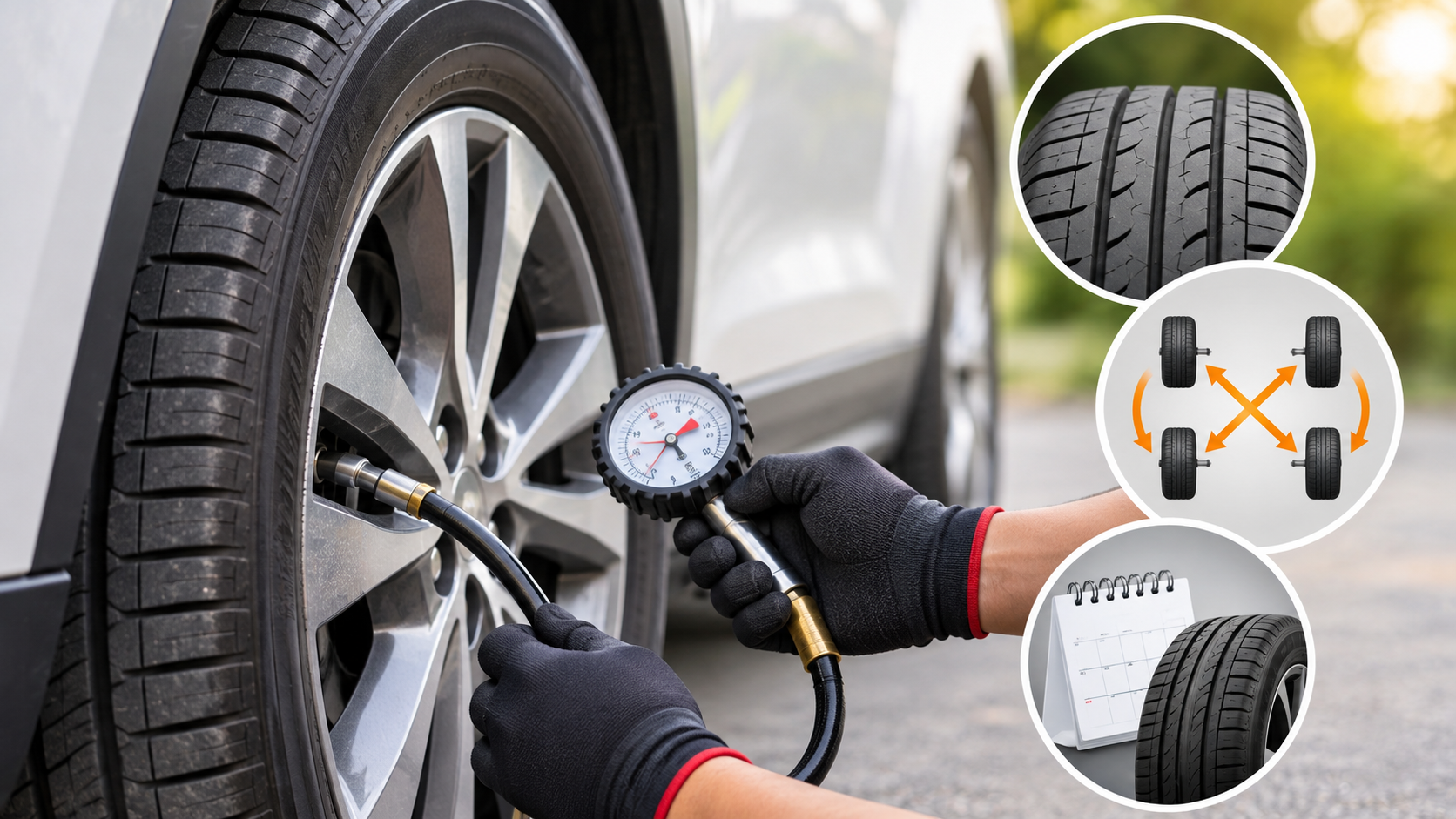
If one front tyre has significantly lower pressure than the other, the difference can affect steering response, grip and vehicle stability.
Tyre condition also matters. Uneven tread wear, damaged sidewalls, different tyre specifications or mismatched tyres can affect how the vehicle responds during braking.
Check the following:
Left and right tyre pressures
Uneven tread wear
Tyre damage or bulges
Differences in tyre size
Incorrect tyre fitment
Always check tyre pressure when the tyres are cold and follow the pressure recommended by the vehicle manufacturer.
If the vehicle continues pulling after correcting tyre pressure, further inspection of the braking and suspension systems is necessary.
Car Loan in India 2026: EMI, Rates, Eligibility and Steps
Wheel alignment affects the direction in which the wheels point and how the vehicle travels on the road.
Incorrect alignment can cause the vehicle to drift towards one side, uneven tyre wear and changes in steering behaviour.
If the car pulls even when you are not applying the brakes, alignment should be considered as one possible cause.
However, wheel alignment should not automatically be blamed for every braking-related pulling problem.
A car that pulls only when the brake pedal is pressed may have an issue with the braking system rather than alignment alone.
A workshop should inspect the alignment angles, including:
Camber
Caster
Toe
The mechanic should also check for bent suspension components or damaged steering parts that may prevent the alignment settings from remaining correct.
The suspension and steering systems help maintain tyre contact with the road and keep the vehicle stable.
If a suspension component becomes worn, damaged or loose, the vehicle may behave unpredictably during braking.
Possible problem areas include:
Worn suspension bushes: Damaged bushes can allow excessive movement in suspension components, affecting wheel positioning under braking.
Ball joints: Worn or damaged ball joints may affect steering control and suspension stability.
Tie rod ends: These components connect the steering system to the wheels. Excessive wear can cause steering instability.
Control arms: Bent or damaged control arms may change suspension geometry and affect braking behaviour.
Shock absorbers: Weak or leaking shock absorbers can reduce vehicle stability and tyre contact, particularly during hard braking.
Ask the workshop to inspect suspension and steering components for excessive play, damage, loose fittings and uneven wear.
The braking system uses hydraulic pressure to operate the brakes. If the system develops a leak, trapped air or another hydraulic fault, braking performance may become inconsistent.
For example, a damaged brake hose can restrict fluid movement to a particular wheel. This may cause that brake to respond differently from the others.
Other possible problems include:
Brake fluid leakage
Damaged brake pipes
Restricted brake hoses
Air in the braking system
Faulty master cylinder
Uneven hydraulic pressure
A soft or spongy brake pedal, reduced braking response or visible fluid leakage should be treated seriously.
Ask the mechanic to inspect the complete hydraulic system, including the master cylinder, hoses, pipes, connections and wheel cylinders where applicable.
Do not continue driving if you suspect a brake fluid leak or experience a major change in braking performance.

If the vehicle behaves normally during gentle braking but pulls towards one side during emergency or hard braking, the issue may become more noticeable when braking forces increase.
Possible reasons include:
Uneven brake force between the wheels
A sticking caliper
Different tyre grip levels
Worn suspension bushes
Damaged steering components
ABS-related faults
During hard braking, the vehicle's weight transfers towards the front axle. This increases the load on the front tyres and can make existing braking or suspension problems more noticeable.
Modern cars equipped with ABS are designed to help prevent wheel lock-up during hard braking. If an ABS warning light appears, the system should be diagnosed.
Do not repeatedly perform emergency braking tests on public roads to identify the problem. A professional inspection is safer.
Engine Capacity Alone Tells You How Powerful a Car Will Feel: Myth or Fact?
Modern vehicles use electronic systems to improve braking stability.
The Anti-lock Braking System (ABS) helps prevent the wheels from locking during heavy braking. Electronic Brakeforce Distribution (EBD) adjusts braking force between the wheels according to vehicle conditions.
If a wheel-speed sensor, wiring connection or related electronic component develops a fault, the braking system may not operate as intended.
Possible symptoms include:
ABS warning light
Brake warning light
Unexpected ABS activation
Unusual braking behaviour
Reduced stability during braking
An illuminated warning light does not automatically mean the ABS module needs replacement.
The mechanic should scan the vehicle for diagnostic trouble codes, inspect wheel-speed sensor signals and check the related wiring and connections.
The way you describe the problem can help the workshop narrow down the possible cause.
|
When the pulling happens |
What it may indicate |
What the workshop should inspect |
|
During gentle braking |
Uneven braking force or sticking caliper |
Brake pads, calipers and discs |
|
Only during hard braking |
Brake imbalance, tyre grip or suspension issue |
Brakes, tyres and suspension |
|
Even without braking |
Alignment, tyres or steering problem |
Wheel alignment and tyres |
|
After driving for some time |
Possible brake drag or overheating |
Calipers, pads and wheel temperature |
|
Along with steering vibration |
Disc variation or suspension issue |
Brake discs, steering and suspension |
|
Along with ABS warning light |
Electronic braking system fault |
ABS sensors, wiring and diagnostic codes |
|
Along with a soft brake pedal |
Possible hydraulic problem |
Brake fluid, hoses and master cylinder |
Tell the mechanic whether the vehicle pulls consistently towards the same side and whether you have recently replaced tyres, brake pads, discs or suspension components.

A car that pulls towards one side while braking should be inspected as soon as possible.
Even a small difference in braking force can become more noticeable during emergency stops. The problem may also worsen if a damaged caliper, brake hose or suspension component continues to deteriorate.
If the pulling is severe, the brake pedal feels abnormal, the vehicle becomes difficult to control or you notice smoke, a burning smell or fluid leakage, stop driving somewhere safe and arrange recovery.
Avoid testing the problem at high speeds or attempting to compensate by constantly steering in the opposite direction.
If the vehicle has a mild symptom, arrange prompt professional inspection and avoid unnecessary journeys until the braking system has been checked.
A car pulling to one side while braking can be caused by several issues, including sticking brake calipers, uneven brake pad wear, damaged discs, tyre pressure differences, incorrect wheel alignment and worn suspension components.
The most useful information is when the pulling occurs. A vehicle that drifts even without braking may need tyre, steering or alignment inspection, while pulling that happens specifically when applying the brakes requires careful examination of the braking system.
Describe the symptoms clearly to your mechanic and request a complete inspection of the brakes, tyres, suspension and related electronic systems.
Most importantly, never ignore a change in braking behaviour. Identifying the cause early can help protect the braking system, prevent further damage and keep your car safer on the road.