
2026-11-10
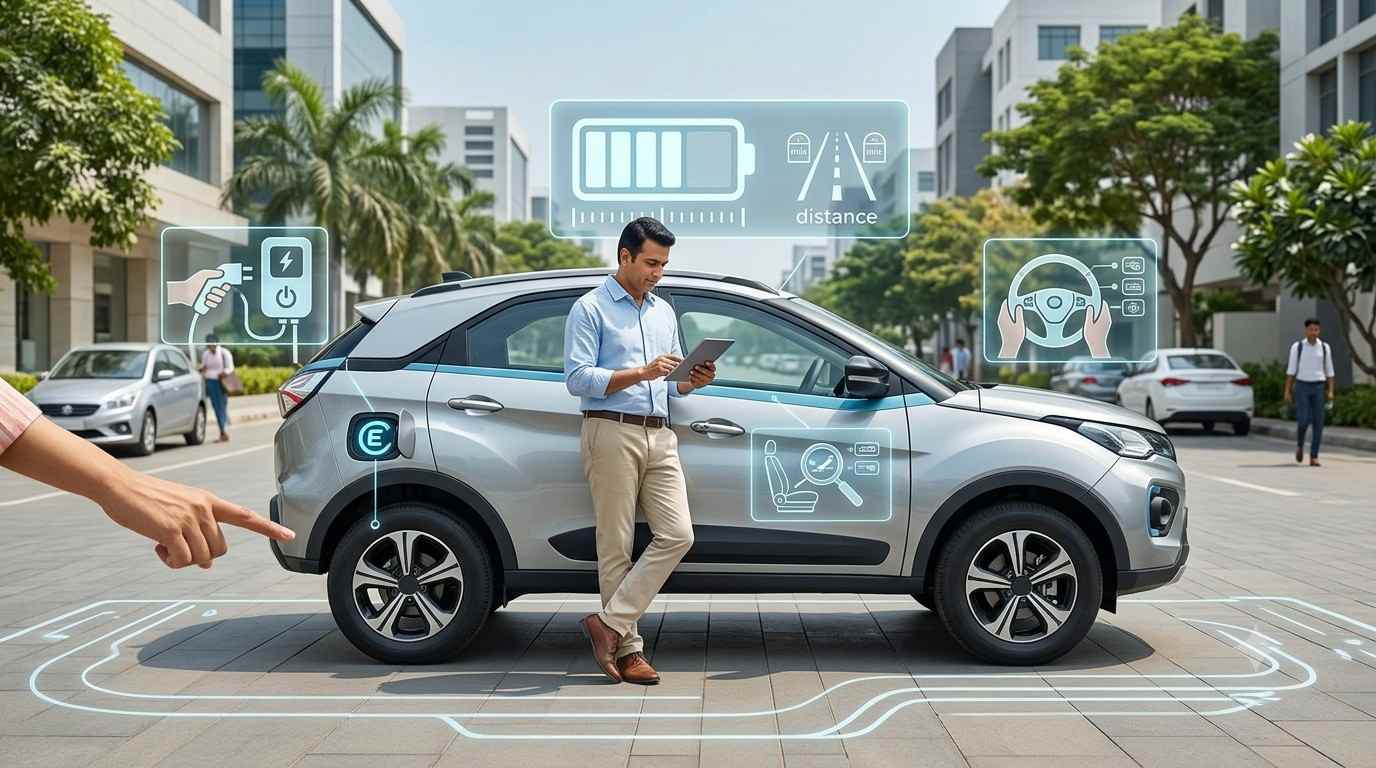
Before you buy an electric car, check eight things: where you’ll charge, the real-world range you need, the five-year cost, the battery warranty, your car’s charging port, insurance and service, the incentives in your state, and your comfort with resale. If you can charge at home or work, your daily driving sits well inside the car’s real-world range, and you’ll keep the car five years or more, an EV usually makes sense. If you can’t charge reliably, wait or look at a hybrid. Charging access is the check that matters most, because it’s the one a showroom can’t fix for you.
New to car buying overall? The seven-step new car buying process gives the wider sequence. This guide covers the parts that change when the car is electric.
| Check | A pass looks like |
| Charging access | Secure parking with power, and permission to install a charger |
| Range | Your longest regular day fits well inside real-world range |
| Cost | The monthly cost fits your budget, and the savings repay the premium within your holding period |
| Battery | Warranty years, kilometres and minimum capacity are clear in writing |
| Charging port | The car’s connector matches the chargers you’ll use |
| Insurance and service | Battery and charger are covered, and an authorised EV workshop is nearby |
| Incentives | You’ve confirmed what your state offers, in writing |
| Resale | You plan to keep the car long enough that resale is a bonus, not a plan |
You stop visiting petrol pumps and start charging where you park. That’s the whole shift, and it’s why charging comes before the car itself.
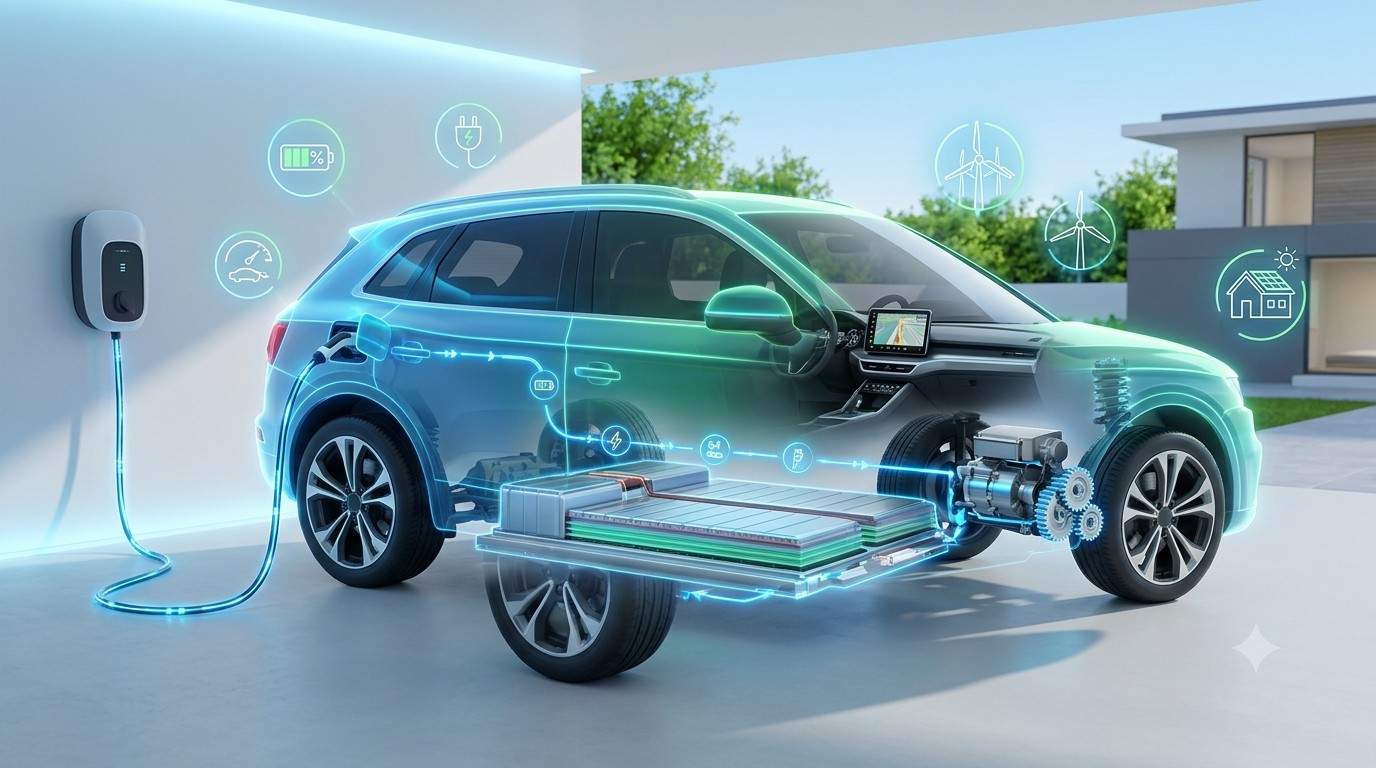
If you’re new to the technology, how an electric car works explains the motor, battery and regenerative braking in plain terms.
An EV fits you when you can charge at home or work, drive a predictable daily distance, and cover enough kilometres a year for the running-cost saving to repay the higher price. If one of those three fails, fix it first or choose something else.
It depends mostly on how far you drive each year. How electric stacks up against petrol, diesel and CNG shows the split in detail. In short:
Hybrids suit buyers with no dependable charging or many long trips. EVs suit buyers who can charge easily. How electric, hybrid and petrol cars differ covers what each costs and where each makes sense.
Run through a checklist for your city and lifestyle before you fall for a model. The questions that matter:
Score each check 0, 1 or 2. The thresholds are our editorial rule of thumb, not an industry standard.
| # | Check | 0 | 1 | 2 |
| 1 | Charging access | None at home or work | Shared or needs approval | Dedicated parking with power |
| 2 | Daily need vs real-world range | Above 70% of range | 40% to 70% | Under 40% |
| 3 | Long trips | Frequent, with unreliable fast chargers | Occasional, needs planning | Rare, or well-served routes |
| 4 | Budget fit | Total monthly cost exceeds your cap | Fits tightly | Fits with room |
| 5 | Kilometres per year | Under 6,000 | 6,000 to 12,000 | Over 12,000 |
| 6 | Warranty clarity | Not read | Read, unclear on conditions | Clear on years, km and capacity |
| 7 | Service support | No authorised EV service nearby | One centre, long waits | Nearby centre and roadside help |
| 8 | Resale comfort | Selling within 3 years, uneasy | Unsure | Keeping 5+ years, or comfortable |
Score 13 to 16: ready. Score 9 to 12: ready after you fix the zeros and ones. Below 9: wait, or look at a hybrid.
Check charging before you check the car. A wonderful EV with no place to charge is an expensive problem.
A portable charger on a standard socket is the cheapest start, but it’s slow. A wall box costs more to install and charges faster, subject to the car’s onboard charger. Here’s how the two compare in practice: a car that needs 20 kWh from a 3.3 kW charger takes about 6 hours, plus roughly an hour for charging losses. Wall box versus portable charger works through speed, cost and installation.
One warning before you plug in. The wiring behind a household socket matters more than the socket itself, so read whether any household socket suits any EV first.
How to choose the right home charger installer covers it in detail. The short version:
Most modern electric cars in India use a Type 2 port for AC charging and CCS2 for DC fast charging. Some older models use Bharat DC-001. Check your car’s port against the chargers near you. AC and DC chargers, Type 2 and CCS2 explained shows what each looks like and where it fits. Also check the car’s onboard charger rating, since it caps how fast AC charging can go.
It varies a lot by city and route. What public charging looks like city by city helps you size it up. Before you rely on it:
Plan with real-world range, not the number on the brochure. The brochure number is a lab figure, and your roads aren’t a lab.
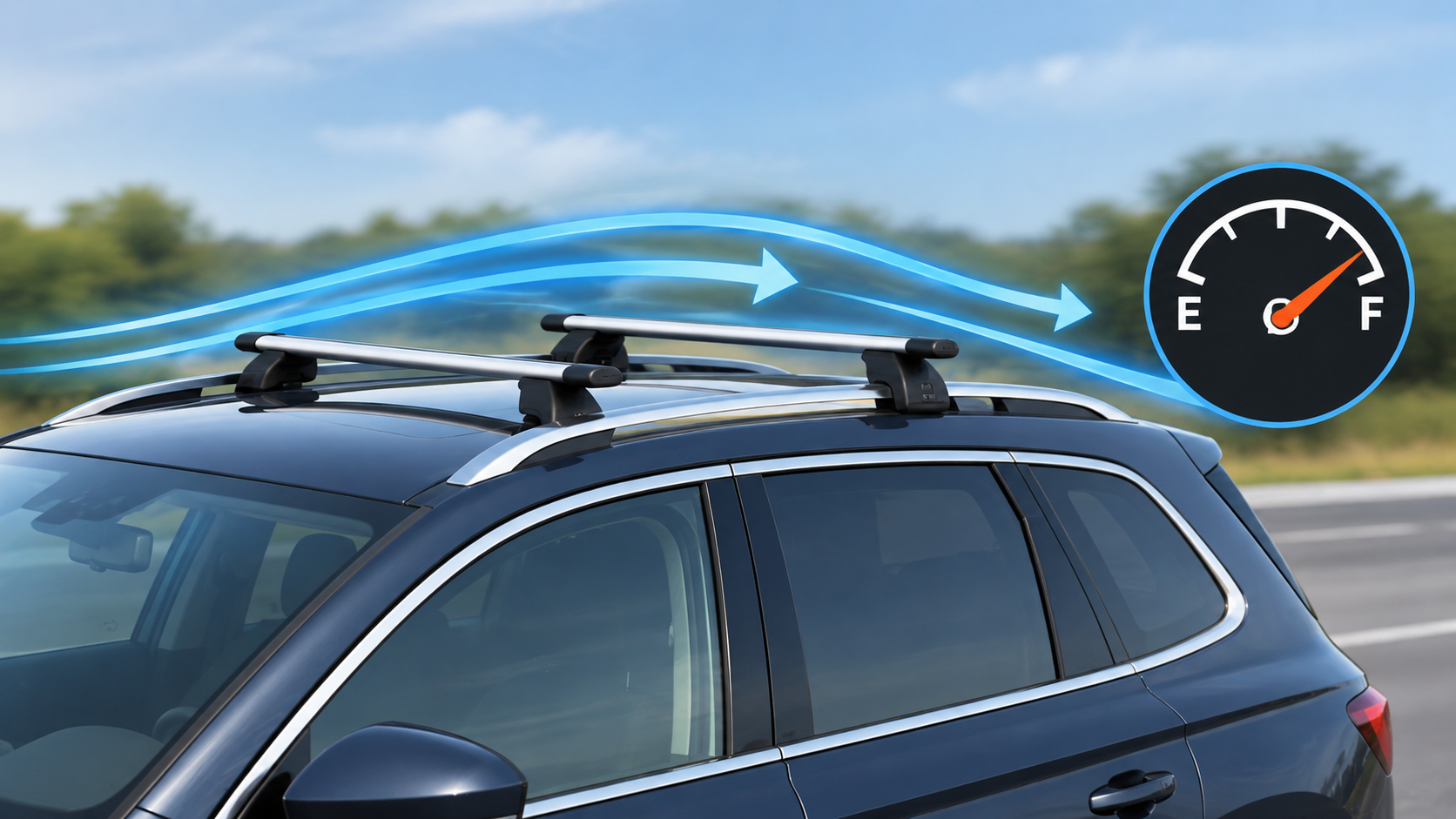
Certified range comes from test cycles. Real roads add air conditioning, highway speed, load, tyre pressure, hills and heat. Whether an EV’s advertised range is what every owner will achieve is the myth worth checking before you trust a brochure.
How to calculate the real-world range you need has the full method. Here’s the quick version:
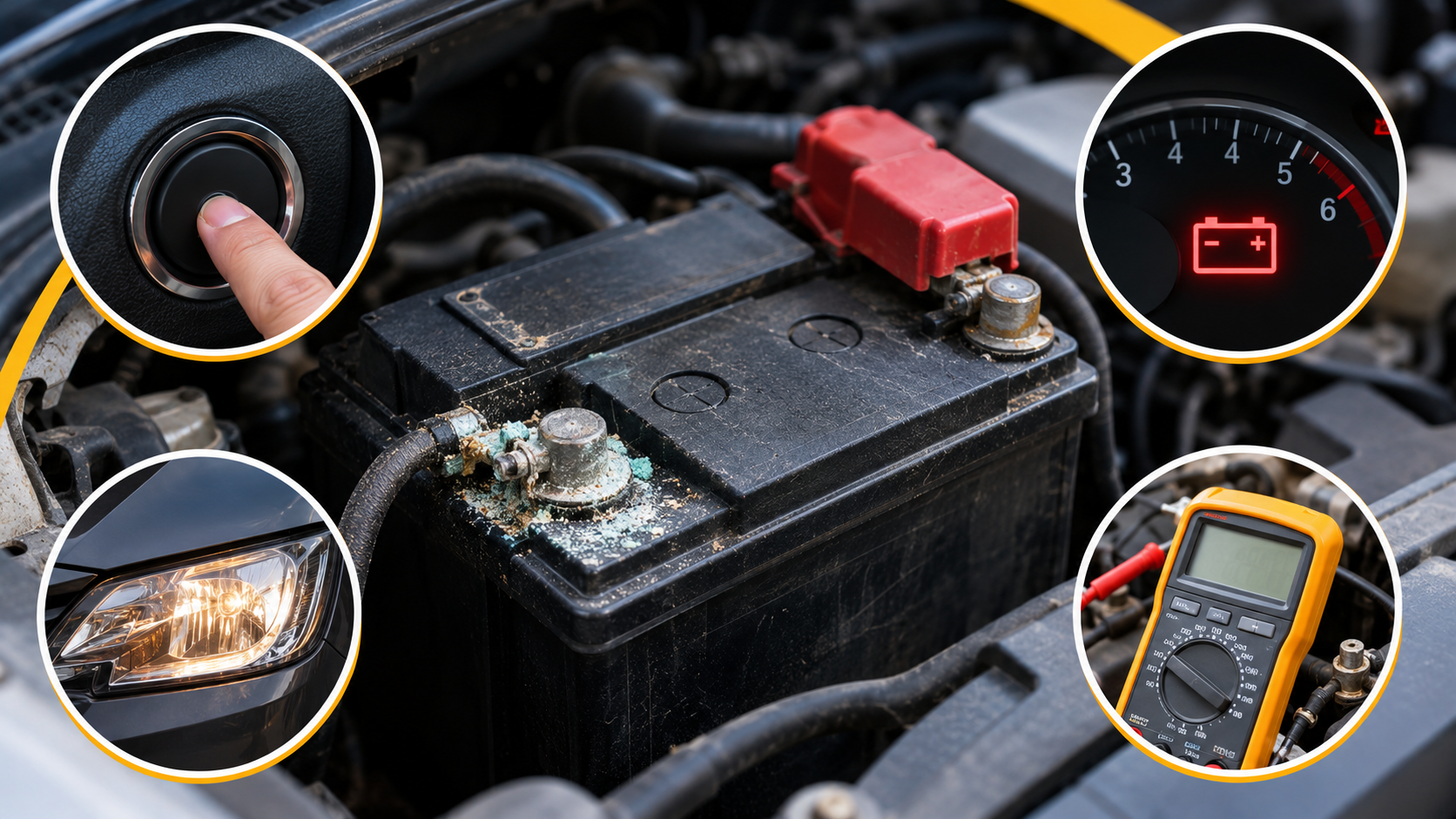
A flat main battery needs a tow or a mobile charging service, because a flat EV traction battery can’t be jump-started like a petrol car’s. So prevention is cheaper:
The battery is the most expensive part of the car. These checks protect your money.
Many carmakers offer around eight years on the traction battery with a kilometre cap, but terms differ. What an EV battery warranty covers breaks down the clauses. Ask for these in writing:
Also remember that the warranty end doesn’t mean the battery fails that day. Whether an EV battery must be replaced the day its warranty expires clears up what actually happens. And keep your loan tenure from running far past the warranty.
Every battery loses capacity slowly with age and use. Heat, frequent fast charging and constant deep discharges speed it up. How battery degradation works and what to expect covers the realistic range. Ask for a battery health report when you buy used, and keep your own records when you own it.
A few brands offer it. It lowers the upfront price, and you pay per kilometre. Check the per-km rate, the contract length, and what it does to resale before you decide. Work out the total cost, not just the sticker.
The sticker price is only the start. Work out the total.
Start with setting a realistic car buying budget, on-road price included. Then add the EV-specific lines:
GST on electric cars is 5% with no cess. The September 2025 revision cut most petrol and diesel cars to 18% or 40%, which narrowed the gap. The central PM E-DRIVE scheme doesn’t offer a direct purchase subsidy on private electric cars, since it covers two-wheelers, three-wheelers, buses, trucks and ambulances. State policies vary, and road tax and registration waivers are common, while some states give purchase incentives.
GST, state subsidies and road tax benefits explained lays out what to check. Get your state’s benefit confirmed in writing, with the validity date, before you book.
The five-year total cost of owning an EV against a petrol car has the full comparison. Here’s the logic in one table, using illustrative assumptions: home charging at about ₹1.2 per km (₹8 per unit, 0.15 kWh per km), a petrol car at about ₹6.7 per km (₹100 per litre, 15 km per litre), and a ₹3 lakh price premium for the EV.
| Yearly driving | Annual running-cost saving | Payback on a ₹3 lakh premium |
| 6,000 km | ₹33,000 | About 9 years |
| 12,000 km | ₹66,000 | About 4.5 years |
| 20,000 km | ₹1,10,000 | About 2.7 years |
Kilometres per year decide the payback. And relying on public fast charging lifts the cost per km. If 30% of your charging happens at about ₹3 per km, the blended cost rises to about ₹1.7 per km, and a 12,000 km driver’s payback stretches to about 5 years. Your tariff, fuel price and mileage will differ.
Pick the car that fits your use, not the biggest battery on the list.
Battery packs sit in the floor, which changes cabin and boot space and ground clearance. Which car type suits you best helps with the general trade-offs. For an EV, also check boot space with the charging cable stored, and ground clearance for waterlogged roads.
Use how to compare base, mid and top trims to separate features worth paying for from features you won’t use. For an EV, add two questions:
What’s different about EV insurance comes down to the battery, the charger and where repairs can happen. Check:
Get quotes from more than one insurer, since premiums can differ.
Most papers match any new car purchase. The documents and checklist for buying an electric car in India covers the few that don’t. Expect to need:
Use the wait to prepare. What happens between booking and delivery shows how to line up each step. For an EV, also:
Most worries have a fix. Common EV myths about range anxiety and battery life sorts the real ones from the rest. Two more worth a quick answer:
Normal rain isn’t a problem. Sealed packs and charge ports are designed for it. Deep waterlogging is different, so avoid wading, and don’t charge if the connector or socket is wet or submerged. Whether an EV can be driven or charged in the rain covers the details.
An EV has no tailpipe emissions. But building the battery and generating the electricity both create emissions, so the full picture depends on your power grid and how long you keep the car. Whether an EV produces no emissions anywhere in its life cycle lays out the trade-off.
Resale is still settling because the market is young. Don’t count on it, and protect it where you can:
What to expect from the resale value of electric cars tracks how values behave. And plan to keep the car long enough that resale is a bonus.
Sneha is a hypothetical buyer, not a real customer. She’s 33 and lives in a society flat with reserved parking. Her commute is 38 km a day, and she drives one 300 km trip every two months, about 15,000 km a year. Her budget cap is ₹18 lakh on-road.
She scored 9 out of 16 on the readiness scorecard, which means “ready after fixes”. Here’s what moved:
| Check | Before | After | What she did |
|---|---|---|---|
| Charging access | 1 | 2 | Got the society’s written permission and an electrician’s load check |
| Daily need vs range | 2 | 2 | Daily need was about 13% of real-world range |
| Long trips | 1 | 2 | Mapped two CCS2 fast chargers on her usual route |
| Budget fit | 1 | 2 | Chose a mid variant with the smaller battery pack |
| Kilometres per year | 2 | 2 | About 15,000 km |
| Warranty clarity | 0 | 2 | Read the terms, got years, km and minimum capacity in writing |
| Service support | 1 | 1 | One centre nearby |
| Resale comfort | 1 | 1 | Unsure beyond five years |
| Total | 9 | 14 |
On the cost side, at 15,000 km a year with a ₹3 lakh premium, her payback is about 3.6 years if she charges mostly at home. If 30% of her charging is at public fast chargers, it’s about 4 years. These are the same assumptions as the table above.
The car didn’t change between those two scores. Her preparation did. She bought after the fixes, not before. These figures are illustrative.
Maybe, but don’t buy until you have a plan. Make a written request with an electrician’s load assessment and propose a separately metered charging point you’ll pay for. Government guidelines encourage societies to allow charging, but rules and enforcement vary, so ask your electricity distributor too. If the society still refuses, check workplace charging and nearby public AC chargers. If none works, wait or choose a hybrid.
Ask for a longer drive on your own commute. Reset the trip meter before you start, switch the AC on, and note the energy use per 100 km and how much indicated range drops over the distance. Compare that figure with the claim. If a 30 km drive drops the indicated range by much more than 30 km, the real-world number is lower than the brochure suggests, and that’s what you should plan around.
Price the extra range. Say the larger pack costs ₹1.2 lakh more and adds 100 km of real-world range. That’s ₹1,200 per extra kilometre. Then ask how often you’d use those kilometres. If it’s three trips a year, the same money buys many fast-charging stops. If you drive long routes weekly, the bigger pack can be worth it.
It can, depending on the terms. Some warranties require service at authorised centres, compliant chargers and no wiring modifications. Check the warranty document for clauses on charging equipment and water damage. Use your maker’s recommended charger or a certified one, and have a licensed electrician install it. Keep invoices and photos of the installation.
Several things change. Your charging access may disappear, and a wall box needs reinstalling, while a portable charger travels with you. Road tax and registration waivers are state-specific, so check whether your new state treats a car registered elsewhere differently. Confirm that an authorised EV service centre is nearby, and update your insurance address. If a move is likely within two years, weigh that before you buy.