Khyati Sharma 2026-11-12
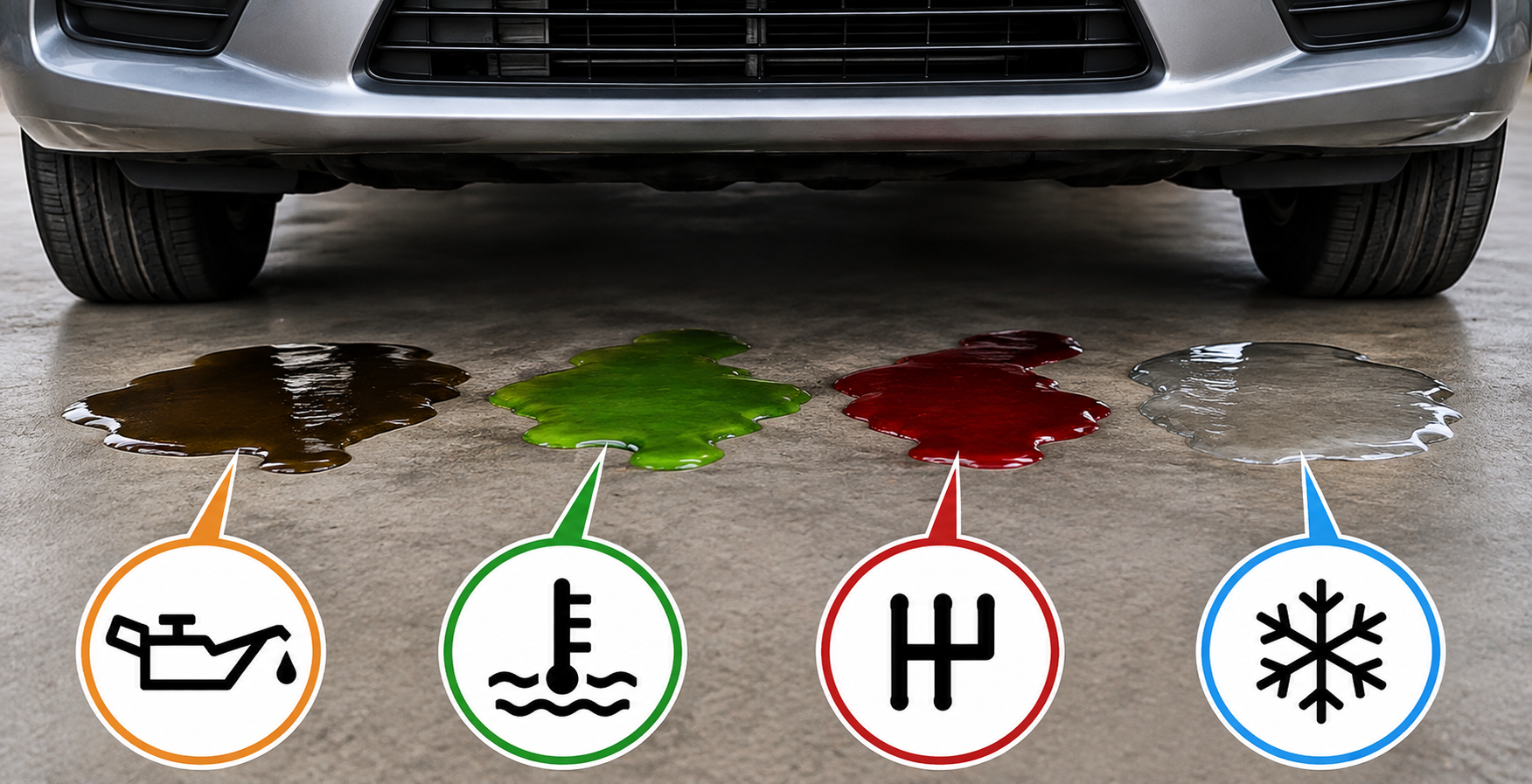
Finding a puddle underneath your parked car can be worrying, especially when you are unsure where the liquid is coming from. Sometimes, the fluid is completely harmless, such as water produced by the air conditioning system. However, in other situations, a puddle could indicate an engine oil leak, coolant leak, transmission fluid leak or brake fluid problem.
Identifying a car fluid leak early can help prevent expensive repairs and protect important components. The colour, smell, consistency and location of the liquid can provide useful clues about its source.
An SUV is always safer than a sedan
Modern cars use several different fluids to operate safely and efficiently. These fluids lubricate moving components, regulate engine temperature, operate braking systems and help transmissions function properly.
Over time, seals, hoses, gaskets and connections can wear out. This can allow fluids to escape and collect underneath the vehicle.
Some leaks appear immediately after parking, while others develop slowly and leave only small stains on the ground.
Common reasons for fluid leaks include:
Damaged or ageing rubber hoses.
Worn engine gaskets and seals.
Loose drain plugs or fluid connections.
Corrosion in metal pipes and components.
Damaged radiators or coolant reservoirs.
Worn transmission seals.
Cracked fluid containers.
Poorly fitted components after servicing.
Not every puddle indicates a mechanical problem. Air conditioning condensation and water dripping after rainfall are common examples of harmless moisture.

The easiest way to begin identifying a leak is to observe its appearance. Different automotive fluids often have distinctive colours, smells and textures.
However, colour alone cannot confirm the source because fluid colour changes with age, contamination and the type of product used.
The following table explains the common characteristics of different automotive fluids.
|
Fluid Type |
Common Colour |
Smell |
Common Location |
|
Engine Oil |
Amber, brown or black |
Oily, sometimes burnt |
Under engine |
|
Coolant |
Green, pink, orange, blue or yellow |
Sweet smell |
Front of vehicle |
|
Transmission Fluid |
Red, pink or brown |
Oily or burnt |
Centre of vehicle |
|
Brake Fluid |
Clear to light amber or brown |
Mild chemical smell |
Near wheels or master cylinder |
|
Power Steering Fluid |
Red, amber or clear |
Oily smell |
Near steering system |
|
Gear Oil |
Amber to dark brown |
Strong sulphur-like smell |
Near gearbox or differential |
|
Air Conditioning Water |
Clear and colourless |
No noticeable smell |
Usually underneath front passenger area |
|
Windshield Washer Fluid |
Blue, green, pink or clear |
Detergent or alcohol-like smell |
Near washer reservoir |
Engine oil is one of the most common fluids found underneath a vehicle. Fresh engine oil is generally amber or golden brown, while older oil becomes darker as it collects dirt and combustion-related contaminants.
An engine oil leak can develop around several components, including the valve cover gasket, oil pan gasket, oil filter housing, drain plug and crankshaft seals.
Common warning signs of an engine oil leak:
Dark brown or black stains underneath the engine.
Burning oil smell after driving.
Smoke coming from the engine area.
Reduced engine oil level.
Oil warning light appearing on the dashboard.
A small oil seep may not immediately affect engine operation, but a significant leak can reduce lubrication and cause serious engine damage.
If the oil pressure warning light comes on, stop safely and switch off the engine. Do not continue driving until the cause has been checked.
How to Compare Car Variants: Base vs Mid vs Top Trim
Coolant is responsible for maintaining the engine's operating temperature. It circulates through the engine, radiator and cooling system to prevent overheating.
Depending on the vehicle and coolant specification, it may appear green, pink, orange, blue, yellow or another colour.
A coolant leak can occur because of damaged radiator hoses, a leaking radiator, a faulty water pump, a cracked expansion tank or worn connections.
Common symptoms include:
Sweet smell around the vehicle.
Coloured liquid underneath the engine bay.
Engine temperature rising above normal.
Low coolant warning on the dashboard.
Steam coming from underneath the bonnet.
A coolant leak should never be ignored. Low coolant levels can cause engine overheating and potentially expensive damage.
Never open a hot radiator cap or coolant reservoir. The cooling system can remain pressurised after the engine is switched off. Allow the vehicle to cool completely before checking the coolant level according to the owner's manual.

Transmission fluid lubricates internal transmission components and helps maintain smooth gear operation.
In many automatic vehicles, fresh transmission fluid is red or pink. However, some modern transmissions use differently coloured fluids, so appearance varies by manufacturer.
As transmission fluid ages, it may become darker brown.
A leak can develop around transmission seals, cooler lines, gaskets, fluid pans or connections.
Signs of a transmission fluid leak include:
Red or brown oily patches under the vehicle.
Delayed gear engagement.
Jerking during gear changes.
Unusual transmission noise.
Burning smell after driving.
Low transmission fluid can affect lubrication, hydraulic pressure and gear operation.
If you notice a significant transmission leak or unusual shifting behaviour, arrange professional inspection rather than continuing to drive.
Should You Warm Up Your Engine Before Every Drive? The Truth About Modern Cars
Brake fluid is essential for transferring hydraulic pressure from the brake pedal to the braking components.
It is usually clear to light amber when new, although it can become darker over time.
A brake fluid leak is particularly dangerous because it can reduce braking performance.
Possible leak locations include brake calipers, flexible brake hoses, metal brake lines, wheel cylinders and the master cylinder.
Warning signs include:
Soft or spongy brake pedal.
Brake warning light.
Reduced braking performance.
Fluid near the wheels.
Falling brake fluid level.
If you suspect a brake fluid leak, do not drive the vehicle. Arrange professional assistance or towing. Do not rely on simply topping up the reservoir, as the underlying leak must be repaired.
Vehicles equipped with hydraulic power steering use fluid to assist steering movement.
A power steering fluid leak may leave a red, amber or clear oily patch, depending on the fluid specification.
Common leak points include steering hoses, pump seals, the steering rack and fluid reservoir connections.
Typical symptoms include:
Heavy steering.
Whining noise while turning the steering wheel.
Fluid stains near the front of the vehicle.
Low power steering fluid level.
Many newer vehicles use electric power steering and do not have a hydraulic steering fluid reservoir. Therefore, this type of leak is not relevant to every car.
Gear oil is used in manual transmissions, differentials and certain other drivetrain components.
It is generally thicker than engine oil and often has a strong sulphur-like smell.
A gear oil leak can develop around axle seals, gearbox seals, differential covers and drain plugs.
If the leak continues, the gearbox or differential may not receive adequate lubrication.
Unusual whining noises, grinding sounds and fluid stains around the drivetrain should be checked by a qualified technician.
Car Loan vs Cash Purchase: Which Makes More Financial Sense?
Not every puddle underneath a car indicates a problem.
When the air conditioning system operates, moisture from the cabin air condenses on the evaporator. This water is drained outside through a dedicated drain pipe.
As a result, you may notice clear, odourless water underneath the vehicle, especially after using the air conditioner on a hot or humid day.
This is generally normal and does not indicate a coolant or engine leak.
However, if water collects inside the cabin, particularly in the passenger footwell, the air conditioning drain may be blocked or disconnected.

One of the most important things car owners should understand is the difference between harmless water dripping and an actual mechanical fluid leak.
Normal air conditioning condensation is generally clear, watery and odourless. It usually appears after the air conditioner has been running.
Mechanical fluids are more likely to leave oily, slippery or coloured stains. Some also have distinctive smells.
|
Identification Point |
Normal AC Condensation |
Possible Fluid Leak |
|
Appearance |
Clear water |
Coloured or oily liquid |
|
Texture |
Watery |
May be slippery or sticky |
|
Smell |
Usually odourless |
May have a sweet, burnt or chemical smell |
|
Location |
Often beneath front passenger area |
Depends on leaking component |
|
Timing |
Often after AC operation |
Can occur while parked or driving |
|
Ground Mark |
Usually dries without oily residue |
May leave a stain or residue |
|
Risk |
Generally harmless |
Can indicate mechanical problems |
Documenting a puddle is a useful way to help a mechanic identify the source of a leak. Instead of simply telling the workshop that your car is leaking, collect a few details about the liquid and where it appears.
Follow these steps:
1. Park on a Clean, Level Surface
Choose a safe, level parking area with a clean surface. Avoid parking over grass, dirt or gravel because these materials can make it difficult to identify the liquid.
2. Place Clean Cardboard Under the Vehicle
After switching off the engine, you can place a clean piece of cardboard underneath the parked vehicle, provided it can be positioned without reaching under the car or touching hot components.
Leave it in place while the vehicle is parked.
3. Photograph the Puddle
Take a clear photograph of the liquid from above. Include a nearby reference point to show its approximate size.
Taking another photograph from a different angle may help identify whether the fluid is spreading from one particular area.
Does a Rarely Driven Car Need Almost No Maintenance?
4. Record the Colour and Appearance
Write down whether the liquid is clear, brown, black, pink, green or orange.
Also note whether it appears watery, oily, thick or sticky.
Do not touch an unknown fluid with bare hands, taste it or deliberately smell it closely.
5. Note the Exact Location
Record where the puddle appears in relation to the vehicle.
For example:
Front left side.
Front right side.
Directly underneath the engine.
Middle of the vehicle.
Rear axle area.
The position can help a technician narrow down possible leak sources.

6. Record When the Leak Appears
Note whether the puddle appears after using the air conditioner, immediately after driving or after the vehicle has remained parked overnight.
This information can help distinguish normal condensation from a mechanical leak.
7. Check Dashboard Warnings
Record any engine temperature warnings, oil pressure warnings, brake warnings or low-fluid alerts.
Do not continue driving if a serious warning appears.
Some leaks require immediate attention, while others may be less urgent.
For example, clear water dripping from the air conditioning drain is generally normal. However, leaking brake fluid, significant coolant loss and engine oil pressure problems require urgent action.
You should stop driving and seek professional assistance if you notice:
Brake fluid leaking or a soft brake pedal.
Engine oil pressure warning light.
Rapid coolant loss or engine overheating.
Heavy transmission fluid leakage.
Smoke or steam from the engine compartment.
A large puddle of unidentified fluid.
Even small leaks should be inspected if they continue appearing. A minor leak can gradually become worse and affect important mechanical components.
Whether you can drive depends on the type and severity of the leak.
A small amount of normal air conditioning condensation is not a reason to stop driving. However, an engine oil leak, coolant leak or transmission fluid leak requires proper assessment.
Brake fluid leakage is particularly serious because it can compromise the braking system.
If you cannot identify the fluid or determine whether the vehicle is safe, avoid driving until it has been inspected.
Never crawl underneath a vehicle supported only by a jack. A vehicle must be properly supported using suitable equipment before anyone works underneath it.
Petrol vs Diesel vs CNG vs Electric Cars: How to Choose the Right Fuel Type
Although not every leak can be prevented, regular maintenance can reduce the chances of unexpected fluid loss.
Here are some useful maintenance practices:
Follow the manufacturer's recommended servicing schedule.
Inspect visible hoses and connections during routine maintenance.
Check engine oil and coolant levels as recommended.
Replace damaged seals and gaskets promptly.
Use manufacturer-approved fluids.
Avoid overfilling fluid reservoirs.
Inspect underneath the vehicle after servicing.
Pay attention to unusual smells and dashboard warnings.
Regular inspections can help identify small problems before they develop into expensive repairs.
A puddle underneath your car does not always mean something serious is wrong. Clear water after using the air conditioner is usually normal, while coloured or oily liquids may indicate a problem with the engine, cooling system, transmission, steering or brakes.
The most useful clues are the fluid's colour, consistency, smell, location and the conditions under which it appears.
Documenting the puddle with photographs, recording its position and noting dashboard warnings can make it easier for a mechanic to identify the source.
Most importantly, never ignore warning signs involving brake fluid, engine oil pressure or engine overheating. Early inspection and timely repairs can protect your vehicle, improve safety and help prevent expensive mechanical damage.












Mercedes-Benz
₹97.85 - 135.55 Lakh