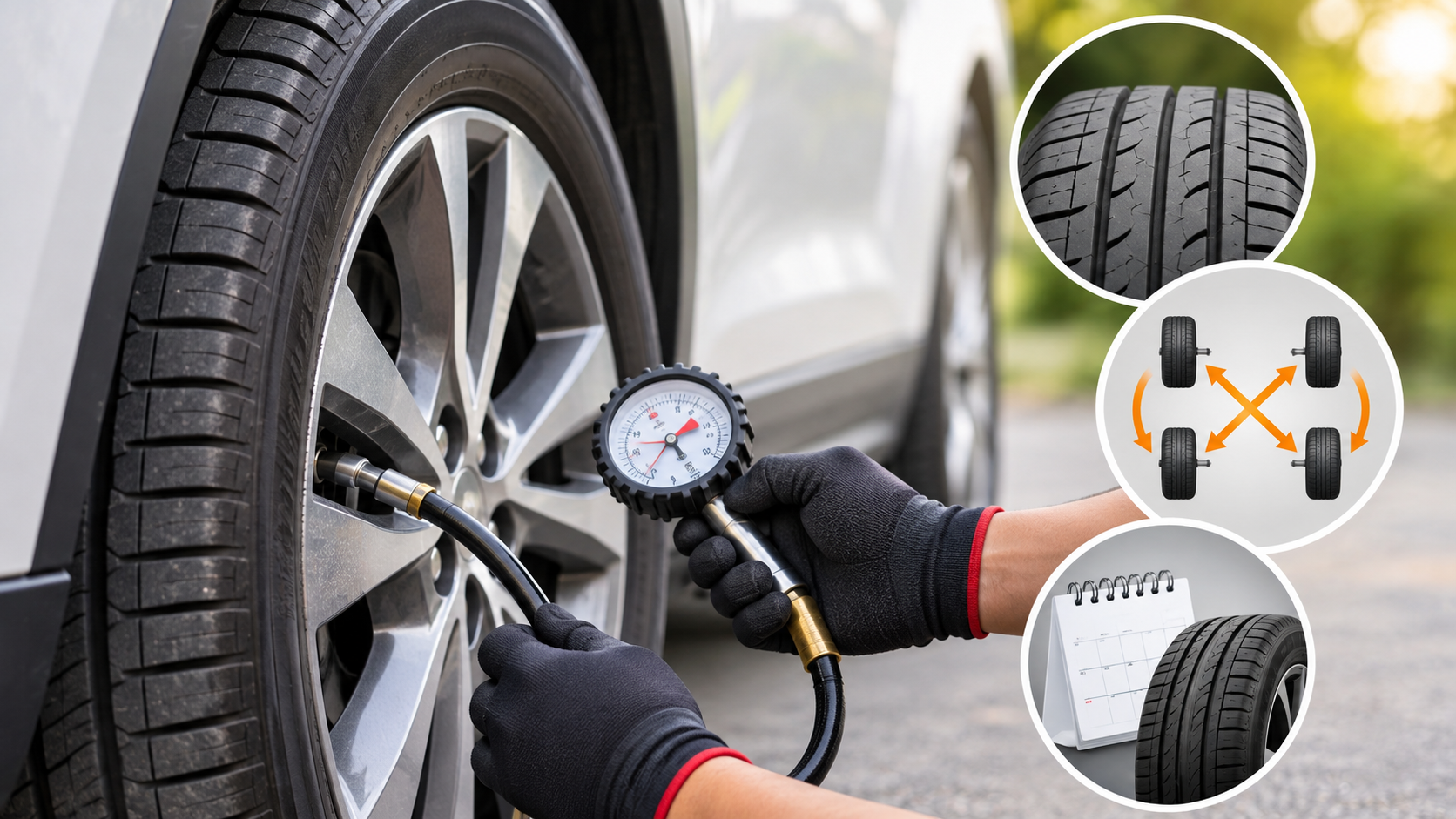
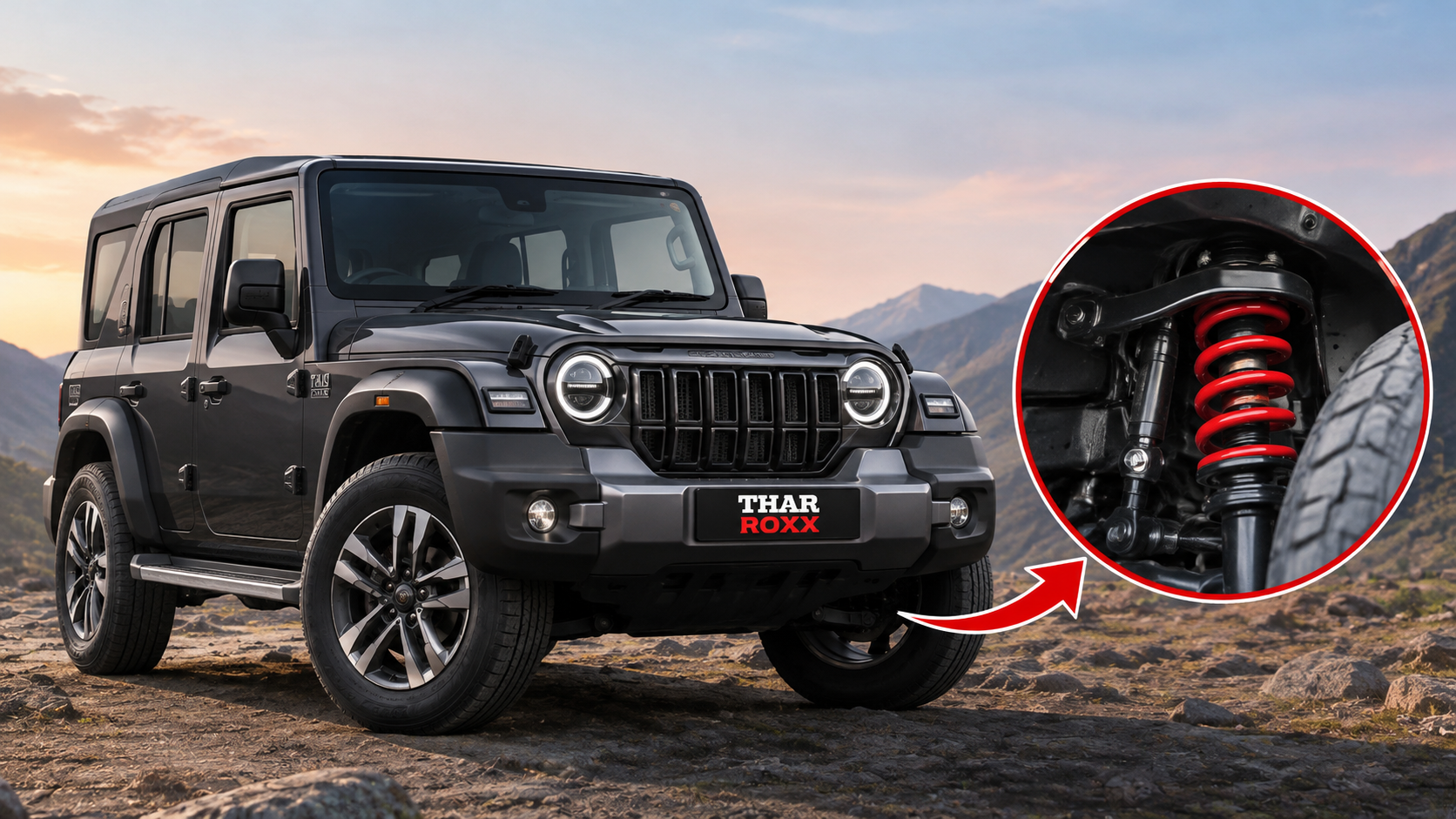
Car tyres are among the most important components of a vehicle because they are the only parts that maintain direct contact with the road. Their condition affects braking performance, handling, ride comfort, fuel efficiency and overall driving safety. However, many car owners pay attention to tyres only when they experience a puncture, notice low air pressure or see visible damage.
Proper tyre maintenance is not limited to filling air at a petrol pump. It also includes checking the recommended pressure, inspecting tread depth, rotating tyres at suitable intervals, maintaining wheel alignment and replacing old or damaged tyres at the right time.
In India, where vehicles regularly encounter potholes, uneven roads, high temperatures, heavy rain and long-distance highway journeys, tyre care becomes even more important. Neglecting regular inspections can result in uneven wear, reduced road grip and unexpected tyre failures.
Does ABS Always Reduce Stopping Distance on Every Surface?
1. Why Is Regular Tyre Maintenance Important?
Tyres influence almost every aspect of a car's driving performance. Even a vehicle equipped with advanced safety features, powerful brakes and electronic stability control depends on properly maintained tyres to perform effectively.
When tyres are maintained correctly, they can provide better road grip, predictable braking and improved stability. Correct inflation also helps reduce unnecessary rolling resistance, which can contribute to better fuel efficiency.
On the other hand, neglected tyres can create several problems. Underinflated tyres generate additional heat because their sidewalls flex more than intended. Overinflated tyres can reduce the contact area and cause uneven tread wear. Worn-out tyres also struggle to maintain sufficient grip, particularly on wet roads.
Regular maintenance helps car owners identify problems before they become expensive or dangerous.

2. Check the Recommended Tyre Pressure
Tyre pressure is one of the most important parts of vehicle maintenance. Every car manufacturer specifies recommended inflation pressures based on the vehicle's weight, tyre size, suspension setup and expected load.
The correct pressure is generally mentioned on a sticker inside the driver's door frame, on the fuel-filler flap or in the owner's manual.
Car owners should avoid following random pressure recommendations from other vehicles because different models can require different inflation levels.
How to Check Tyre Pressure Correctly
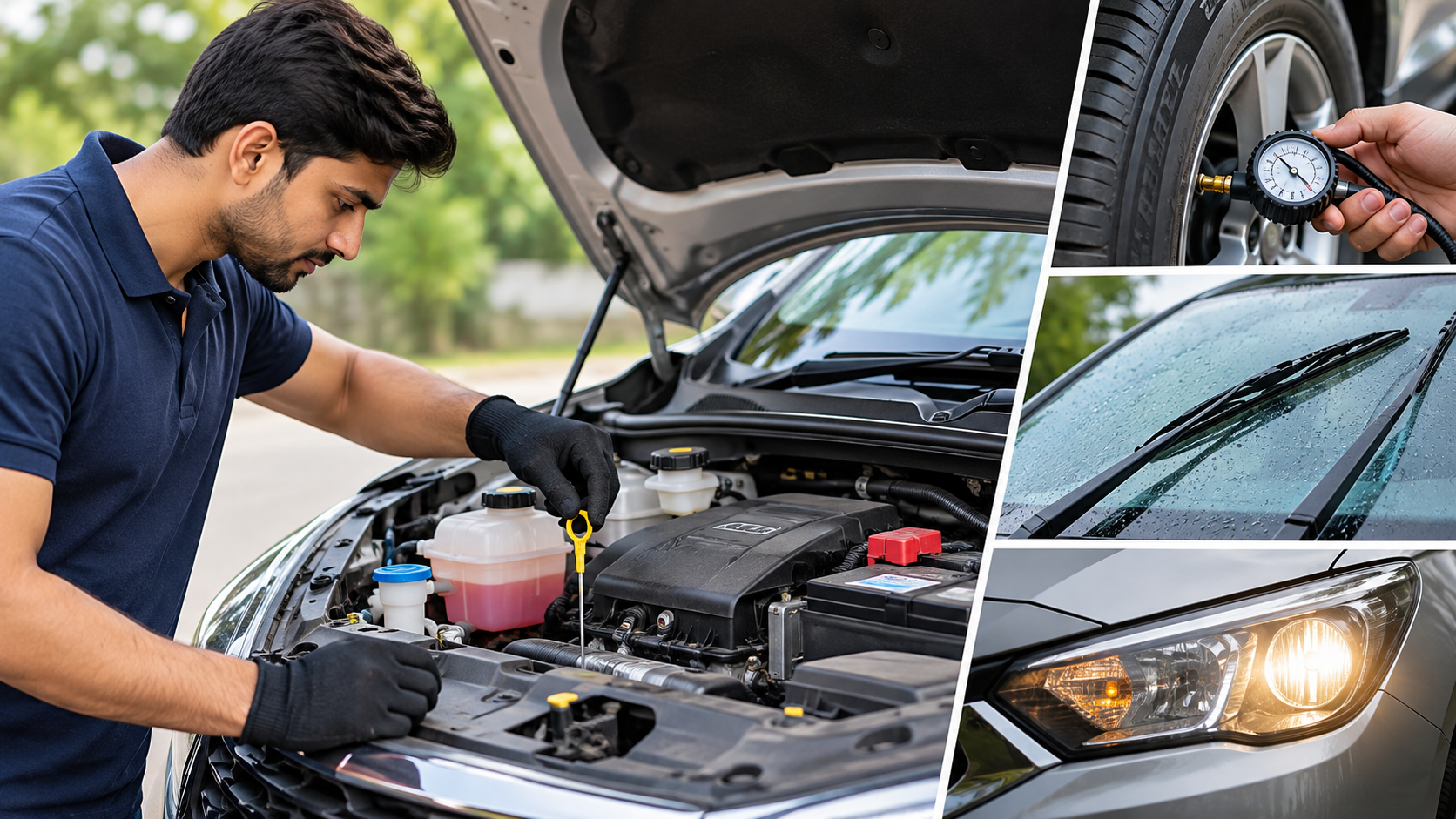
The best time to check tyre pressure is when the tyres are cold. This generally means checking before starting a journey or after the vehicle has remained parked for approximately three hours.
Follow these steps:
-
Remove the valve cap from the tyre.
-
Connect a reliable pressure gauge to the valve.
-
Check the displayed pressure.
-
Compare it with the manufacturer's recommended figure.
-
Add or release air as required when the tyre is cold.
-
Refit the valve cap securely.
-
Repeat the process for all four tyres and the spare.
Bridgestone recommends checking tyre pressure every two weeks using a reliable gauge and checking tyres in cold conditions.
Why Should You Avoid Incorrect Tyre Pressure?
Underinflation can increase heat generation, fuel consumption and shoulder wear. In severe cases, it can cause internal tyre damage.
Overinflation can result in faster wear around the centre of the tread and make the ride less comfortable. It can also increase the tyre's vulnerability to certain road impacts.
Never use the maximum pressure printed on the tyre sidewall as the normal recommended operating pressure. That marking is not a substitute for the vehicle manufacturer's recommended pressure.
How to Choose Between Two Similar Car Models: A Decision Framework
3. Understand the Importance of Tyre Rotation
Tyre rotation means changing the position of tyres on a vehicle according to an appropriate pattern. The purpose is to distribute wear more evenly and help extend tyre life.
Front and rear tyres may wear at different rates depending on the vehicle's drivetrain, weight distribution, steering system and driving conditions.
For example, front tyres on many front-wheel-drive vehicles experience additional wear because they handle steering, acceleration and a significant share of braking forces.
Regular rotation can help reduce these differences.
When Should You Rotate Car Tyres?
The correct rotation interval depends on the vehicle manufacturer's recommendations and tyre specifications. Many tyre manufacturers suggest rotation around every 10,000 to 13,000 km, although some vehicles may require a different schedule.
Car owners should consult the owner's manual rather than following a fixed interval for every vehicle.
Rotation should also be considered when uneven wear begins to appear, after checking whether an alignment or suspension problem is responsible.
4. Different Tyre Rotation Patterns Explained
There are several tyre rotation patterns used by automobile manufacturers and tyre professionals. The correct pattern depends on the tyre design, drivetrain and wheel arrangement.
Forward Cross Pattern
In this pattern, the front tyres move directly to the rear on the same side, while the rear tyres move to the opposite front positions.
This pattern is commonly used for certain front-wheel-drive vehicles with compatible tyres.
Rearward Cross Pattern
The rear tyres move directly to the front on the same side, while the front tyres move diagonally to the opposite rear positions.
This pattern is commonly used for some rear-wheel-drive and four-wheel-drive vehicles.
X-Pattern Rotation
In this arrangement, all four tyres move diagonally to opposite positions. It can be suitable for certain vehicles with non-directional tyres, subject to manufacturer approval.
Side-to-Side Rotation
Some vehicles use different tyre sizes or wheel arrangements between the front and rear axles. In such cases, a side-to-side rotation may be recommended when the tyre specifications allow it.
Directional tyres require additional care because their tread design is intended to rotate in a particular direction. They generally need to remain on the same side unless they are remounted on the wheels by a professional.
Staggered wheel setups, where front and rear tyres have different sizes, may not support conventional front-to-rear rotation.

5. Monitor Tyre Tread Depth and Wear
Tyre tread is the patterned rubber surface that comes into contact with the road. Its grooves help channel water away from the contact area, improving grip in wet conditions.
As tyres become worn, their ability to disperse water decreases. This can increase the risk of losing traction on wet roads, especially during heavy rainfall.
The minimum tread depth commonly referenced for passenger car tyres is 1.6 mm. Tyres should be replaced when they reach this limit, and owners should not wait until the tread becomes completely smooth.
How to Check Tyre Tread Wear
Most modern tyres include small raised bars inside the main tread grooves. These are called Tread Wear Indicators (TWI).
When the surrounding tread becomes level with these indicators, the tyre has reached its wear limit.
A tyre tread depth gauge can provide a more accurate measurement. Check multiple locations across the tyre because wear may not be uniform.
Also inspect the inner and outer shoulders, as uneven wear can indicate incorrect pressure, wheel misalignment or suspension problems.
How to Get the Best Discount on a New Car in India
6. Identify Common Tyre Wear Patterns
Understanding tyre wear patterns can help identify problems with vehicle maintenance.
Centre Tread Wear: Excessive wear in the middle of the tyre may indicate overinflation, although other factors can also contribute.
Shoulder Wear: Faster wear along both outer edges can be associated with underinflation or other operating conditions.
One-Sided Wear: If one edge wears faster than the other, incorrect wheel alignment or worn suspension components may be responsible.
Uneven or Patchy Wear: Irregular patches can indicate wheel imbalance, suspension problems or braking-related issues.
Feathering: When tread blocks develop sharper and smoother edges across the tread, incorrect alignment settings may be involved.
Tyre wear patterns should be treated as warning signs rather than definitive diagnoses. A professional inspection can identify the actual cause.
7. Check the Manufacturing Date and Age of Tyres
Tyres can deteriorate with age even when they have sufficient tread remaining. Exposure to sunlight, heat, moisture and changing environmental conditions can gradually affect rubber flexibility.
Every tyre carries identification markings on its sidewall. The manufacturing date is commonly represented by a four-digit code at the end of the DOT identification number on tyres carrying that marking.
The first two digits indicate the manufacturing week, while the final two digits represent the year.
For example, a code ending in 3525 means the tyre was manufactured during the 35th week of 2025.
Checking this information is particularly important when purchasing a new car, replacing tyres or buying tyres that have remained in storage.
Michelin recommends replacing tyres that have reached 10 years from their manufacturing date as a precaution, even if they appear serviceable. Vehicle manufacturers may specify earlier replacement recommendations, which should be followed.
8. When Should You Replace Car Tyres?
Knowing when to replace tyres is essential for maintaining vehicle safety. Waiting until a tyre completely fails can create unnecessary risks.
Here are some important warning signs:
Low Tread Depth: Replace tyres when they reach the recommended replacement limit. For passenger car tyres, the commonly referenced minimum is 1.6 mm.
Sidewall Cracks: Visible cracks can indicate rubber deterioration. A professional should inspect them before further use.
Bulges or Deformation: A bulge on the sidewall may indicate internal structural damage. Such tyres should not continue to be driven on.
Repeated Air Pressure Loss: Frequent pressure loss may indicate a puncture, damaged valve, bead leak or other issue.
Exposed Cords: If internal tyre cords become visible, replacement is necessary.
Excessive Age: Old tyres may need replacement even if their tread looks acceptable.
A tyre with serious structural damage should not be considered safe simply because it still holds air.
Toyota Urban Cruiser Taisor: How Should You Choose Between Its Engine Options?
9. Should You Replace Two Tyres or All Four?
Replacing all four tyres together can provide consistent grip and handling characteristics, but it may not always be necessary.
If only two tyres need replacement, the new tyres should generally be fitted to the rear axle, provided they are compatible with the vehicle.
This recommendation helps maintain rear-end stability, particularly on wet roads. Better rear grip can reduce the possibility of the vehicle losing stability during sudden manoeuvres.
The replacement tyres should match the manufacturer's approved size, load rating and speed rating. Owners of all-wheel-drive vehicles should pay particular attention to the manufacturer's requirements because differences in tyre circumference can affect the drivetrain.
10. Maintain Wheel Alignment and Balancing
Tyre pressure and rotation alone cannot prevent every type of tyre wear. Wheel alignment and balancing are equally important.
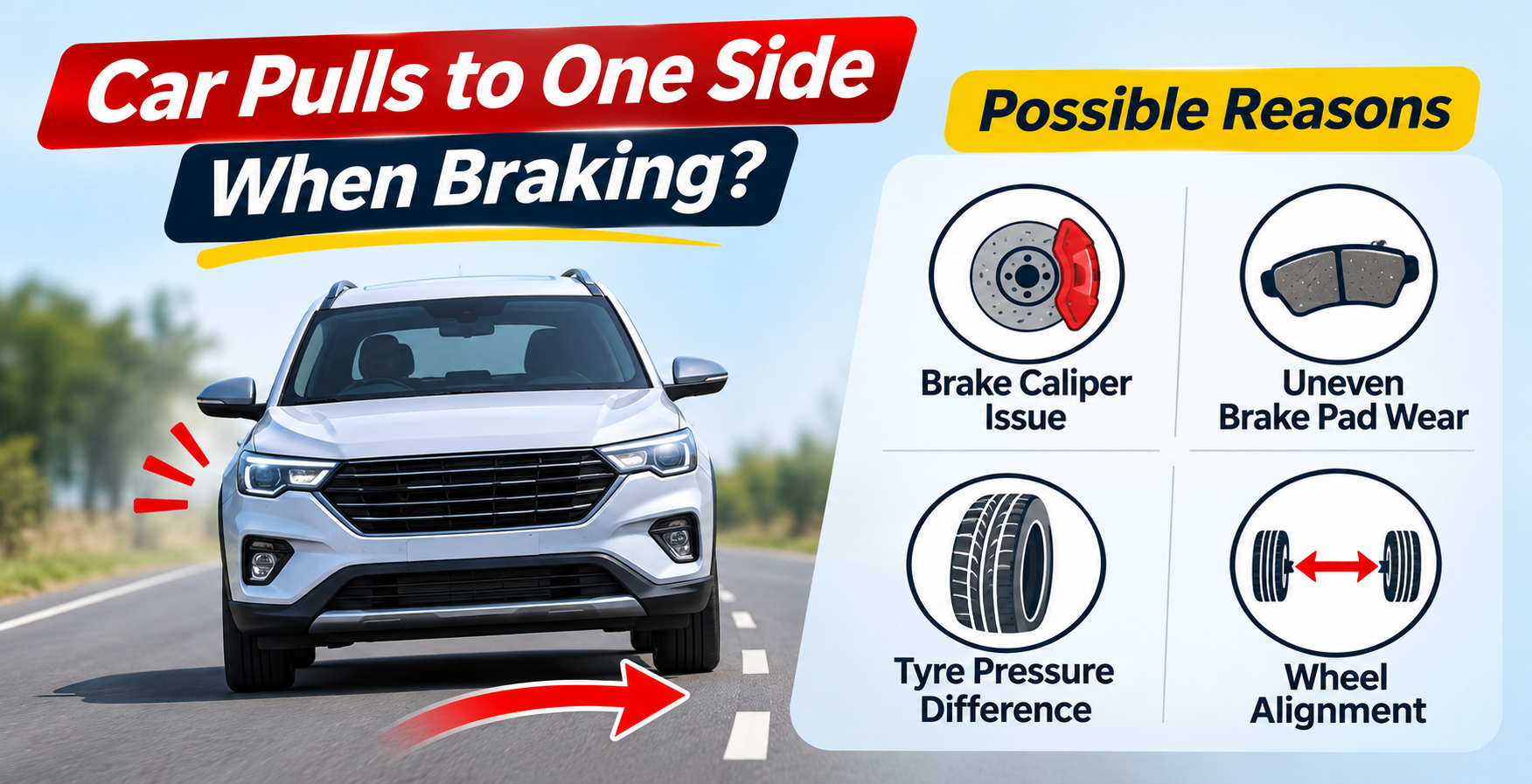
Wheel alignment ensures that the wheels are positioned according to the manufacturer's specified angles. Incorrect alignment can cause the car to pull to one side, produce uneven tyre wear and affect handling.
Wheel balancing distributes the weight evenly around the wheel and tyre assembly. Poor balancing can cause steering-wheel vibrations, particularly at higher speeds.
Consider checking alignment after hitting a deep pothole, striking a kerb or noticing uneven tyre wear. Wheel balancing should be checked when vibrations develop or when tyres are replaced.
11. Practical Tyre Maintenance Schedule for Car Owners
|
Maintenance Activity
|
Recommended Frequency
|
|
Check tyre pressure
|
Every two weeks
|
|
Inspect tread and sidewalls
|
Monthly
|
|
Check spare tyre pressure
|
Every two weeks
|
|
Tyre rotation
|
As specified by the manufacturer, often around 10,000–13,000 km
|
|
Wheel alignment inspection
|
When uneven wear or pulling occurs
|
|
Wheel balancing
|
When vibrations occur or tyres are replaced
|
|
Check tyre manufacturing date
|
When purchasing and during inspections
|
|
Professional tyre inspection
|
Periodically and whenever damage is suspected
|
12. Common Tyre Maintenance Mistakes to Avoid
Even experienced drivers sometimes make mistakes that reduce tyre life.
One common mistake is checking pressure only when a tyre looks visibly flat. A tyre can be significantly underinflated without looking different from the outside.
Another mistake is ignoring the spare tyre. A spare that has lost pressure may not be usable during an emergency.
Some drivers also assume that nitrogen-filled tyres do not require regular pressure checks. This is incorrect because nitrogen-filled tyres can also lose pressure over time.
Avoid mixing different tyre sizes or unsuitable specifications on the same vehicle. Also, do not ignore vibrations, unusual noises or sudden changes in handling.
Finally, never attempt to repair serious sidewall damage without professional assessment.

13. Final Tips to Extend Car Tyre Life
A few simple driving and maintenance habits can help tyres last longer.
-
Maintain the manufacturer's recommended tyre pressure.
-
Avoid sudden acceleration and harsh braking.
-
Reduce speed on pothole-filled roads.
-
Avoid hitting kerbs and driving over sharp objects.
-
Rotate tyres according to the recommended schedule.
-
Check wheel alignment when unusual wear appears.
-
Inspect tyres before long highway journeys.
-
Replace damaged or excessively worn tyres promptly.
Drivers should also avoid overloading their vehicles because excessive weight can increase tyre stress and heat generation.
Conclusion
Tyre maintenance is an essential part of responsible car ownership. Regular pressure checks, timely rotation, tread inspections and proper replacement decisions can improve driving safety and help prevent unnecessary expenses.
Car owners should not wait for warning signs such as excessive vibration, visible damage or repeated pressure loss before inspecting their tyres. A simple maintenance routine can help identify problems early and maintain better road contact.
Whether driving through city traffic, travelling on highways or navigating uneven Indian roads, keeping tyres in good condition is important for a safer and more comfortable driving experience.

 Khyati Sharma 2026-11-10