
 Khyati Sharma 2026-11-09
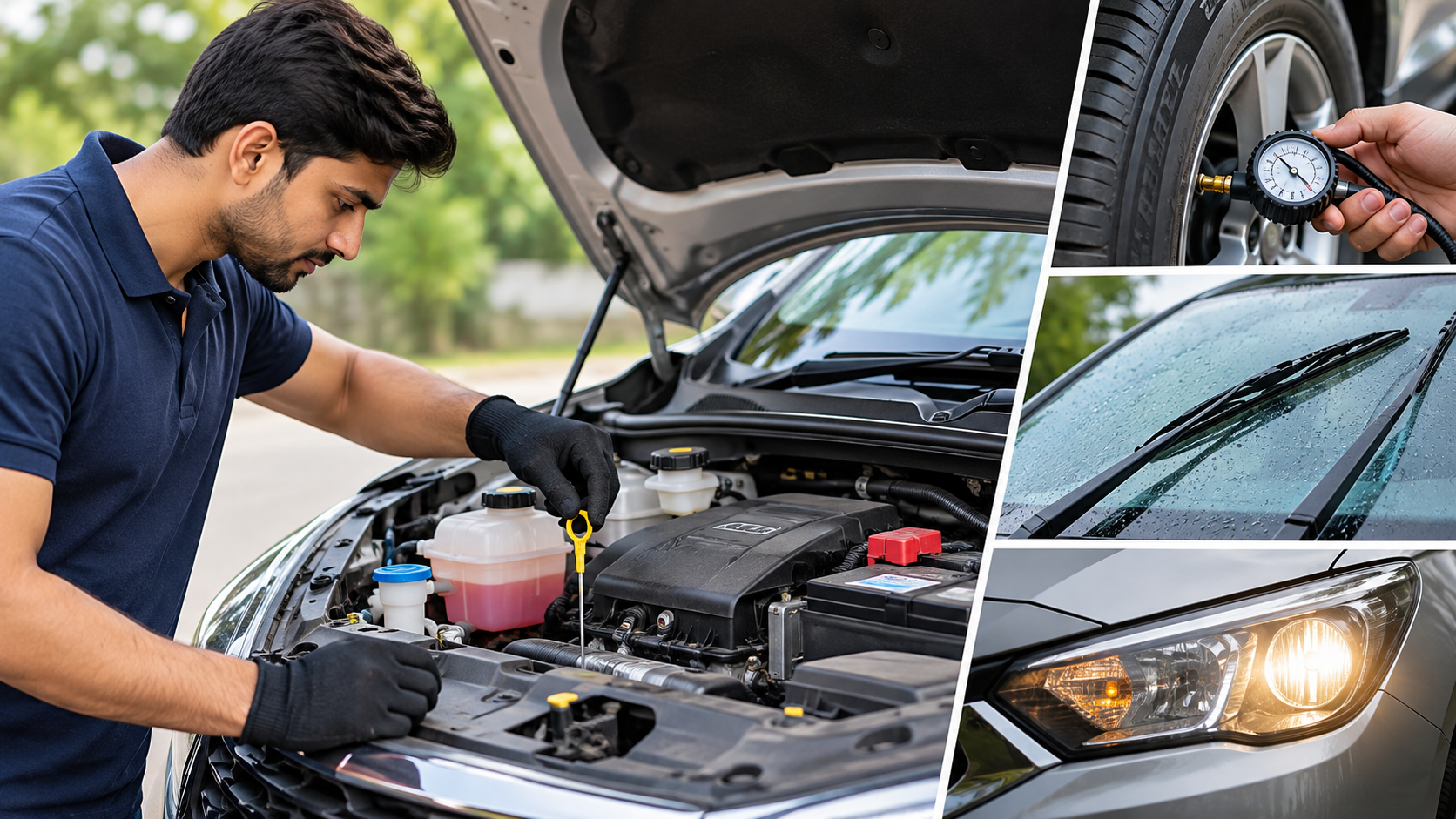
Owning a car comes with the responsibility of keeping it in good condition. Regular maintenance not only helps improve vehicle reliability but can also prevent unexpected breakdowns, reduce repair expenses and improve road safety. While modern cars are equipped with advanced technology and warning systems, basic inspections are still important for every vehicle owner.
The good news is that you do not need to be a professional mechanic to perform simple monthly car checks. Several important components, including tyres, engine oil, coolant, brake fluid, lights and windshield wipers, can be inspected at home using basic knowledge.
A monthly inspection routine can help identify small problems before they develop into expensive repairs. For beginners, the most important areas to check include tyre pressure and condition, fluid levels, exterior lights, windshield wipers, battery condition and visible fluid leaks.
A Used Luxury Car Costs the Same to Maintain as a Similarly Priced New Hatchback
Cars experience regular wear and tear due to daily driving, changing weather conditions, road conditions and traffic. Even when a vehicle appears to be working normally, some components may gradually develop problems.
For example, tyre pressure can decrease over time, engine oil levels may drop, wiper blades can become less effective and small fluid leaks may develop around the engine compartment.
Ignoring these issues can affect vehicle performance and safety. Low tyre pressure can increase fuel consumption and cause uneven tyre wear, while insufficient engine oil can lead to serious engine damage.
Monthly maintenance helps you:
Identify potential problems at an early stage.
Maintain proper tyre pressure and improve tyre life.
Monitor essential engine and braking fluids.
Ensure all exterior lights work correctly.
Maintain clear visibility during rain and poor weather.
Reduce the possibility of unexpected roadside breakdowns.
Keep track of unusual sounds, smells or warning lights.
A monthly inspection usually takes around 20–30 minutes, depending on the vehicle and the number of checks required.
Tyres are among the most important safety components of any vehicle. They provide grip, support the vehicle's weight and help maintain stability during braking, acceleration and cornering.
Incorrect tyre pressure can affect handling, braking distance, fuel efficiency and tyre lifespan. Therefore, checking tyre pressure should be one of the first tasks in your monthly maintenance routine.
How to Check Tyre Pressure
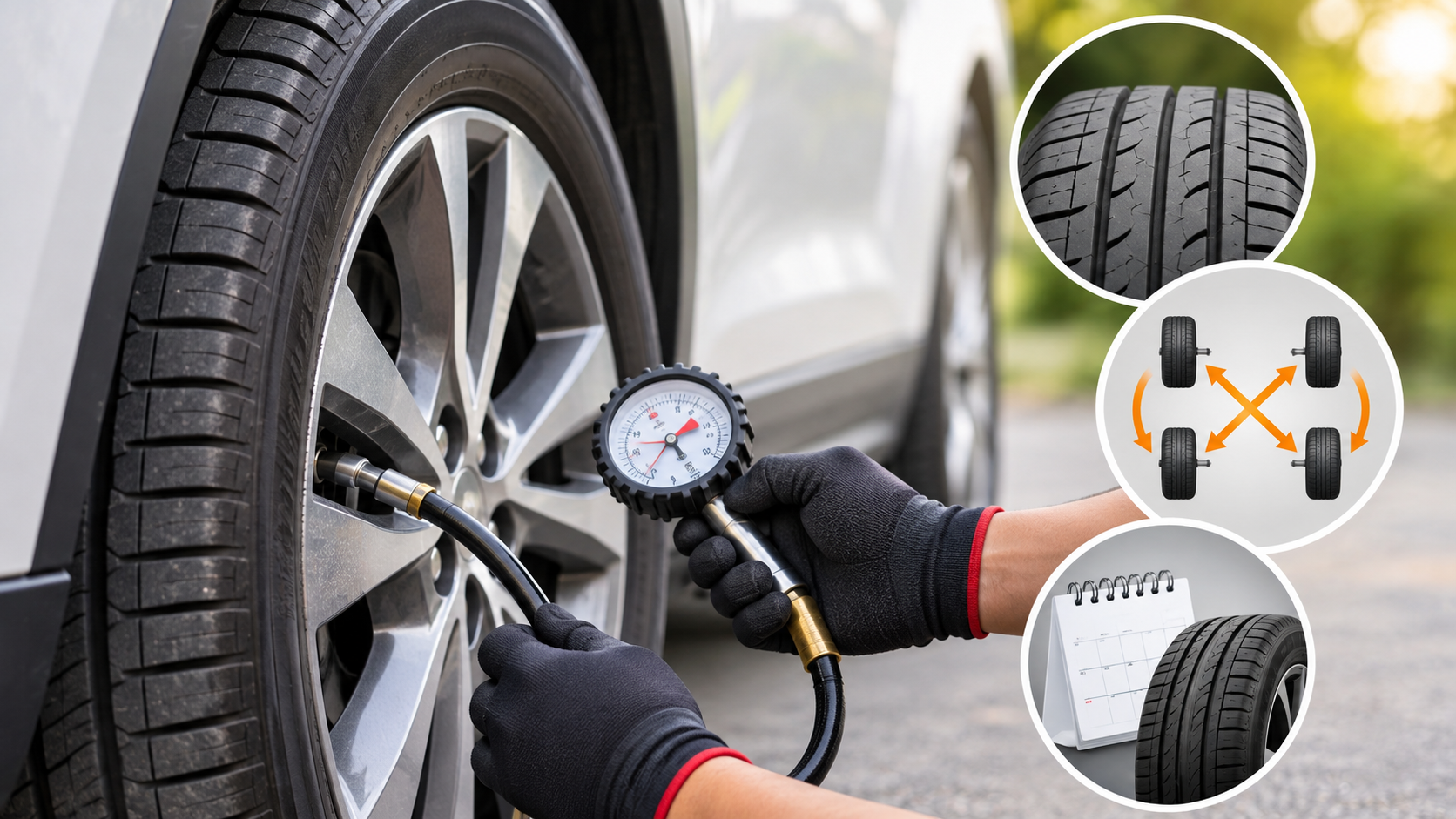
Use a reliable tyre pressure gauge to measure the pressure in all four tyres. It is best to check pressure when the tyres are cold, ideally before driving or after the vehicle has been parked for several hours.
The recommended tyre pressure is generally mentioned on a sticker located inside the driver's door frame or in the owner's manual. Do not rely only on the maximum pressure printed on the tyre sidewall.
Check the following points:
Measure the pressure in all four tyres.
Compare the readings with the manufacturer's recommended figures.
Inflate or deflate tyres according to the recommended pressure.
Inspect the tyre sidewalls for cuts, cracks and bulges.
Check the tread for uneven wear or embedded objects.
Inspect the spare tyre if your vehicle has one.
If your car has a tyre pressure monitoring system (TPMS), pay attention to any warning displayed on the instrument cluster. However, a TPMS warning should not replace a manual pressure inspection.

Why Tyre Tread Condition Matters
Tyre tread helps maintain grip, particularly on wet roads. Worn tread can increase the risk of losing traction and aquaplaning.
Look for uneven wear across the tyre surface. Excessive wear on one side may indicate incorrect wheel alignment, suspension problems or unsuitable tyre pressure.
If you notice a bulge, deep cut or exposed tyre reinforcement, have the tyre inspected by a professional. Do not continue driving on a visibly damaged tyre.
Engine Capacity Alone Tells You How Powerful a Car Will Feel: Myth or Fact?
Engine oil lubricates moving components, reduces friction and helps control engine temperature. Running an engine with insufficient oil can cause excessive wear and potentially severe mechanical damage.
Checking engine oil is a simple task on vehicles equipped with a traditional dipstick.
How to Check Engine Oil
Park the vehicle on level ground.
Switch off the engine and allow it to cool or settle according to the owner's manual.
Locate the engine oil dipstick.
Remove it and wipe it clean with a cloth.
Insert the dipstick completely and remove it again.
Check whether the oil level is between the minimum and maximum markings.
If the oil level is below the recommended range, add the correct engine oil in small quantities. Always follow the viscosity and specification mentioned in the owner's manual.
Avoid overfilling the engine because excessive oil can also cause mechanical problems.
What Does Engine Oil Colour Tell You?
Engine oil gradually changes colour during normal operation. Dark oil does not automatically mean that it needs immediate replacement. Its condition, service interval and manufacturer recommendations are more important.
If the oil appears unusually milky, contains visible metal particles or has an unusual smell, arrange a professional inspection.
Some modern vehicles use electronic oil-level monitoring instead of a traditional dipstick. Follow the vehicle's instructions for checking the oil level.
How to Compare Car Variants: Base vs Mid vs Top Trim
Coolant helps regulate engine temperature and prevents overheating. It also provides protection against corrosion inside the cooling system.
Low coolant levels can indicate a leak or another cooling-system problem. Therefore, checking the coolant reservoir every month is important.
How to Check Coolant
Always inspect coolant when the engine is completely cool. Locate the coolant expansion tank and check whether the fluid level is between the MIN and MAX markings.
If the level is low, use only the coolant specification recommended by the manufacturer.
Never remove the radiator cap or open a pressurised cooling system when the engine is hot. Hot coolant and steam can cause serious burns.
Watch for these warning signs:
Coolant level repeatedly dropping.
Visible coolant stains around hoses or the radiator.
Sweet or unusual smell around the engine compartment.
Engine temperature rising above its normal range.
Coolant warning light appearing on the dashboard.
If coolant needs frequent topping up, do not simply keep adding fluid. Have the cooling system inspected to identify the cause.
The braking system is essential for vehicle safety. Brake fluid transfers the force applied to the brake pedal to the braking components at the wheels.
Most cars have a brake fluid reservoir in the engine compartment. Its level should remain between the MIN and MAX markings.
Check the reservoir visually without opening it unnecessarily. Brake fluid can absorb moisture, and contamination may affect braking performance.
Warning Signs to Watch For
Brake fluid level below the minimum marking.
Brake warning light appearing on the dashboard.
Soft or unusually spongy brake pedal.
Reduced braking performance.
Visible fluid around wheels or brake components.
A falling brake fluid level may indicate worn brake pads or a leak in the braking system. Because brakes are safety-critical, do not ignore a low level or unusual pedal behaviour.
Do not simply top up brake fluid and continue driving if the level is unusually low. Have the braking system inspected by a qualified technician.
Working lights help you see the road and make your vehicle visible to other drivers. They are particularly important during night driving, rain, fog and low-visibility conditions.
A monthly lighting inspection takes only a few minutes.
Check the following:
Headlights – both high-beam and low-beam functions.
Tail lamps – ensure both sides illuminate.
Brake lights – confirm they activate when the brake pedal is pressed.
Front and rear indicators – check left and right signals.
Hazard warning lights – ensure all indicators flash.
Reverse lights – check whether they illuminate when reverse gear is selected.
Number plate lights – ensure the registration plate is visible at night.
Fog lamps – check their operation if fitted.
Ask another person to help check the brake lights and rear indicators, or use a safe reflective surface to confirm their operation.
Also inspect the headlamp lenses for dirt, cracks, moisture or excessive clouding. Clean dirty lenses because accumulated dust can reduce light output.
If a light is not working, check the bulb, fuse or electrical connection according to the owner's manual. Modern vehicles may require professional diagnosis for LED lighting or electronic faults.

Clear visibility is essential for safe driving. Windshield wipers remove rainwater, dust and dirt from the windscreen, while washer fluid helps clean the glass.
Wiper blades gradually deteriorate because of sunlight, heat, dust and regular use. They should be checked every month, particularly before the monsoon season.
How to Inspect Wiper Blades
Lift the wiper arms carefully if the vehicle design allows it. Inspect the rubber edges for cracks, hardening, tearing or separation.
Operate the wipers with sufficient washer fluid and observe their performance.
Replace the blades if they:
Leave water streaks on the windscreen.
Make excessive squeaking or chattering sounds.
Skip sections of the glass.
Have cracked or damaged rubber.
Fail to clear the windscreen properly.
Also check the washer fluid reservoir. Refill it using an appropriate windshield washer solution or the fluid recommended by the manufacturer.
Avoid using ordinary household cleaning chemicals because they may damage paint, rubber or washer-system components.
How Many Airbags Do You Really Need? A Safety Primer
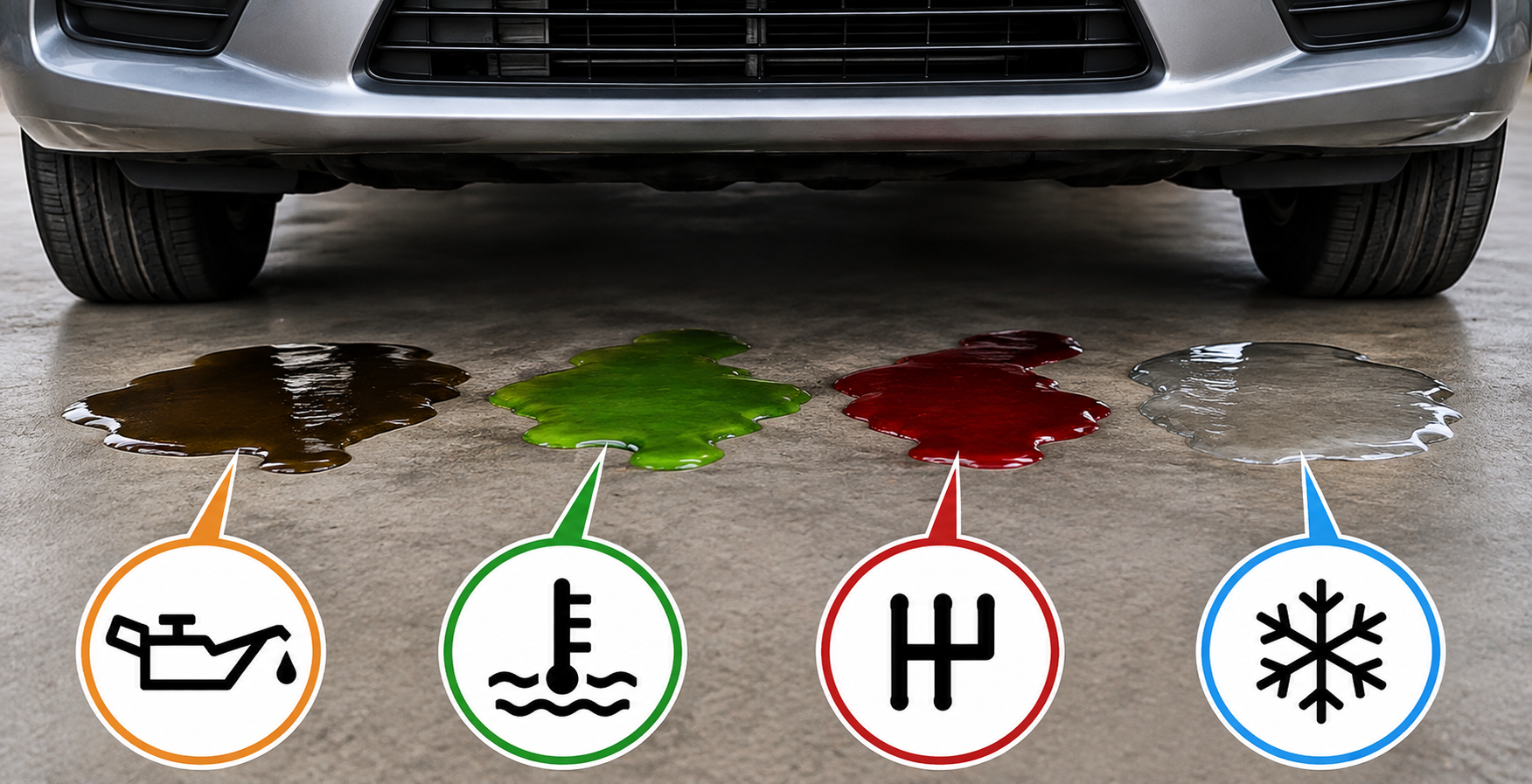
A small fluid stain under a parked car can indicate a developing mechanical problem. Not every mark on the ground is dangerous, but unusual leaks should never be ignored.
Park your car on a clean, level surface and inspect the area underneath after it has been stationary for some time.
Common automotive fluids include:
|
Fluid |
Possible Appearance |
What It May Indicate |
|
Engine oil |
Brown or black, oily |
Engine oil leak |
|
Coolant |
Often green, pink, orange or blue |
Cooling-system leak |
|
Transmission fluid |
Red, pink or brown |
Transmission leak |
|
Brake fluid |
Clear to amber, slippery |
Brake-system leak |
|
Power steering fluid |
Varies by specification |
Hydraulic steering leak |
|
Water |
Clear and odourless |
Often normal air-conditioning condensation |
The colour of a fluid can vary depending on the manufacturer and its age, so appearance alone cannot confirm the source.
What Should You Do If You Notice a Leak?
Do not touch unknown fluids directly. Observe the location and approximate size of the stain, and check whether the fluid is dripping continuously.
Water dripping beneath the vehicle after using the air conditioner is often normal condensation.
However, oil, coolant, fuel or brake fluid leaks require attention. If you notice a fuel smell, brake-fluid leakage, overheating or a major fluid loss, stop driving when it is safe and arrange professional assistance.
Never crawl underneath a vehicle supported only by a standard jack. A proper vehicle lift or correctly rated axle stands are necessary for underbody inspection.
Fixed vs Floating Car Loan Rate: Which Is Better in India?
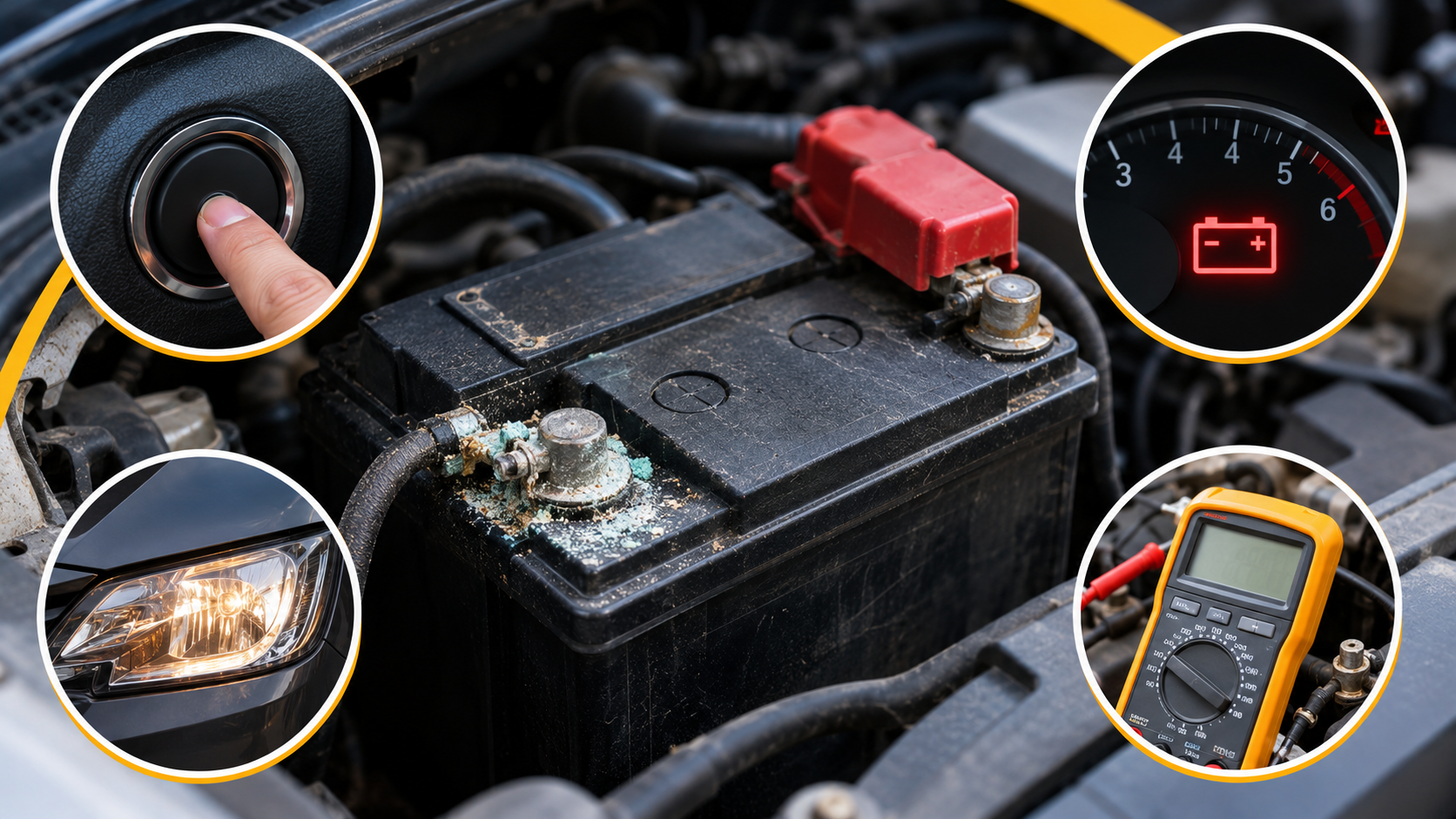
The battery supplies electrical power for starting the engine and operating several vehicle systems. A weak battery can cause starting problems, particularly during extreme temperatures or after the car has remained unused for several days.
During your monthly inspection, look for:
Corrosion around battery terminals.
Loose battery connections.
Cracks or visible damage to the battery case.
Unusual swelling or leakage.
Difficulty starting the engine.
Battery warning lights on the dashboard.
Do not disconnect battery terminals or attempt repairs without understanding the vehicle's electrical system. Modern cars may require specific procedures after battery disconnection.
If your battery is several years old or the vehicle frequently struggles to start, ask a technician to perform a battery health test.

The engine compartment contains several rubber hoses, electrical connections and mechanical components. A visual inspection can help identify signs of wear before they cause a breakdown.
With the engine switched off and cool, look for:
Cracked or swollen rubber hoses.
Loose-looking connections.
Damaged wiring insulation.
Signs of oil or coolant around joints.
Unusual corrosion.
Frayed or damaged accessory belts, where visible.
Do not put your hands near moving belts, fans or hot components. Electric cooling fans can operate unexpectedly, even after the engine has been switched off.
If a belt appears damaged or a hose is leaking, arrange a professional inspection rather than attempting an unfamiliar repair.
Dashboard warning lights are designed to alert drivers when a vehicle system needs attention. Never ignore a warning simply because the car appears to be driving normally.
Pay attention to warning indicators related to:
Engine management.
Engine oil pressure.
Battery charging.
Brake system.
Engine temperature.
Tyre pressure.
Airbags and other safety systems.
A red oil-pressure or overheating warning generally requires you to stop safely and switch off the engine. Continuing to drive may cause serious damage.
Also listen for unusual noises such as knocking, grinding, squealing or repeated rattling. Changes in braking feel, steering behaviour or suspension noise should be checked by a professional.
|
Component |
What to Check |
Recommended Action |
|
|
Tyres |
Pressure, tread and sidewall damage |
Adjust pressure and inspect damaged tyres |
|
|
Spare tyre |
Pressure and condition |
Inflate and check if fitted |
|
|
Engine oil |
Oil level and unusual condition |
Top up with specified oil if required |
|
|
Coolant |
Level in expansion tank |
Check for leaks and use specified coolant |
|
|
Brake fluid |
Reservoir level |
Arrange inspection if low |
|
|
Headlights |
High and low beams |
Repair faulty lights |
|
|
Tail lamps |
Rear lighting |
Replace or repair faulty lamps |
|
|
Indicators |
Left and right signals |
Repair if not working |
|
|
Brake lights |
Operation when braking |
Repair immediately if faulty |
|
|
Wiper blades |
Rubber condition and cleaning performance |
Replace damaged blades |
|
|
Washer fluid |
Reservoir level |
Refill with suitable fluid |
|
|
Battery |
Terminals and visible damage |
Arrange a battery test if needed |
|
|
Hoses and belts |
Cracks, wear and leaks |
Seek professional inspection |
|
|
Underbody area |
Unusual fluid stains |
Identify and repair leaks |
|
|
Dashboard |
Warning lights |
Follow the owner's manual and seek assistance |
|
Basic monthly checks do not require specialist equipment. A tyre pressure gauge, clean cloth, torch and suitable washer fluid are useful items to keep in your garage or car-care kit.
The following table provides an approximate time estimate for common checks.
|
Maintenance Task |
Approximate Time |
Equipment Required |
|
Tyre pressure inspection |
5 minutes |
Tyre pressure gauge |
|
Tyre condition check |
3 minutes |
Torch, if required |
|
Engine oil inspection |
3 minutes |
Clean cloth or tissue |
|
Coolant and brake fluid check |
3 minutes |
Torch, if required |
|
Exterior light inspection |
3 minutes |
Helper or reflective surface |
|
Wiper and washer check |
3 minutes |
Washer fluid |
|
Battery visual inspection |
2 minutes |
Torch |
|
Visible leak inspection |
3 minutes |
Torch |
|
Total |
Approximately 25 minutes |
Basic tools |
These timings are estimates and may vary depending on the vehicle's design and accessibility.
Many vehicle owners unintentionally make mistakes while performing basic maintenance. Avoiding these common errors can help prevent unnecessary expenses and safety problems.
1. Checking tyre pressure only when a warning appears
Tyre pressure can change gradually. Check it regularly rather than waiting for the TPMS warning.
2. Using the wrong engine oil
Different engines require different oil grades and specifications. Always follow the manufacturer's recommendations.
3. Opening the coolant reservoir when the engine is hot
A hot cooling system is pressurised. Opening it can release boiling coolant and cause serious burns.
4. Ignoring small leaks
A minor leak can become a major mechanical problem. Identify unusual fluid stains early.
5. Delaying replacement of damaged wiper blades
Poor wiper performance reduces visibility, especially during heavy rain.

6. Ignoring dashboard warning lights
Warning indicators provide important information about vehicle health. Consult the owner's manual and seek professional help when necessary.
7. Assuming every maintenance task can be done at home
Basic visual inspections are suitable for beginners, but repairs involving brakes, suspension, steering, fuel systems and high-voltage components should be handled by qualified technicians.
Monthly inspections help identify problems, but they do not replace scheduled servicing. Your car still requires professional maintenance according to its age, mileage and manufacturer's service schedule.
Visit a qualified mechanic if you notice:
Repeated loss of engine oil or coolant.
Brake pedal becoming soft or unusual braking behaviour.
Engine overheating.
Persistent dashboard warning lights.
Unusual engine or transmission noises.
Damaged tyres or steering-related problems.
Battery charging or starting issues.
Fuel leaks or a strong fuel smell.
Electric vehicles also require their own maintenance schedules. Owners should follow manufacturer instructions for battery cooling systems, tyres, brakes, cabin filters and other vehicle-specific components. Never attempt to inspect or repair high-voltage EV components yourself.
Regular car maintenance does not have to be complicated, even for beginners. Spending approximately 25 minutes every month checking tyres, engine oil, coolant, brake fluid, lights, wipers, battery condition and visible leaks can help you identify potential problems early.
However, these inspections should be treated as a basic preventive routine rather than a replacement for professional servicing. Always follow the vehicle manufacturer's maintenance schedule and use the recommended fluids and replacement parts.
A well-maintained car is generally more reliable, safer to drive and less likely to suffer from avoidable breakdowns. Making monthly inspections a habit is one of the easiest ways to take better care of your vehicle and protect your investment.










Maruti
₹12.37 - 22.91 Lakh

Tata
₹9.49 - 12.73 Lakh