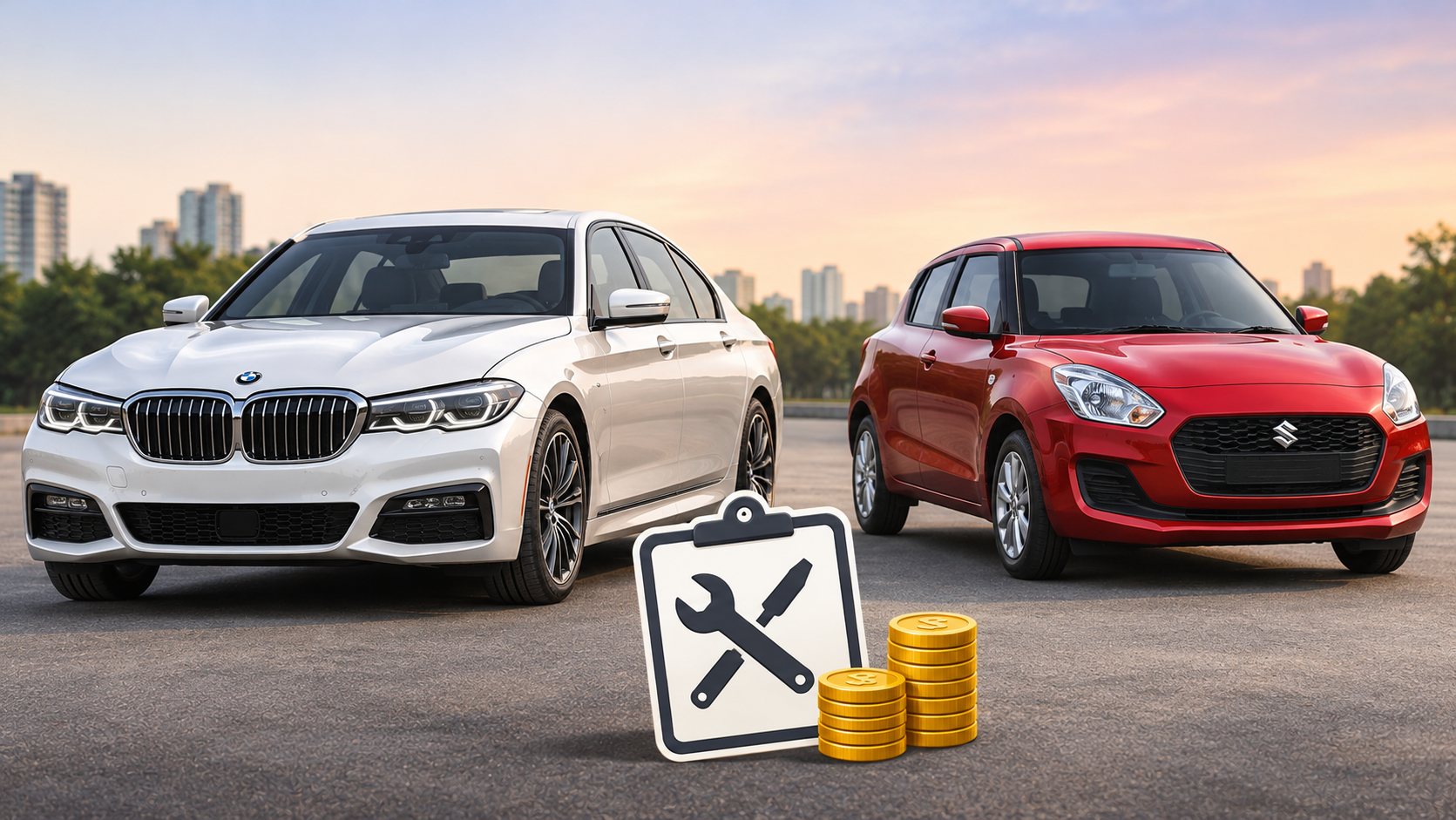
Buying a luxury car is an attractive dream for many automobile enthusiasts. Premium brands offer impressive styling, powerful engines, comfortable interiors, advanced technology and a prestigious ownership experience. However, purchasing a new luxury car is not financially possible for every buyer.
This is why the used luxury car market attracts considerable attention. Buyers can find previously owned luxury sedans and SUVs at prices similar to those of brand-new hatchbacks. For example, someone with a budget of Rs 10 lakh may choose between a new hatchback and a five- or six-year-old luxury sedan.
At first glance, the used luxury car may appear to offer much better value. It could provide leather upholstery, a powerful engine, automatic transmission, premium sound systems and advanced safety equipment.
A luxury car that has become affordable in the used market does not automatically become affordable to service. Its replacement parts, specialised components, labour requirements and repair expenses may remain considerably higher than those of an ordinary hatchback.
Therefore, the belief that a used luxury car costs approximately the same to maintain as a similarly priced new hatchback is misleading. Buyers must consider the complete ownership cost before making a decision.
How to Get the Best Discount on a New Car in India
1. Purchase Price and Maintenance Cost Are Two Different Things
One of the biggest mistakes used-car buyers make is judging vehicle affordability only by its purchase price.
The resale value of a luxury vehicle can decrease significantly over several years. This depreciation makes previously expensive vehicles accessible to buyers with smaller budgets.
However, depreciation does not reduce the original engineering complexity of the vehicle.
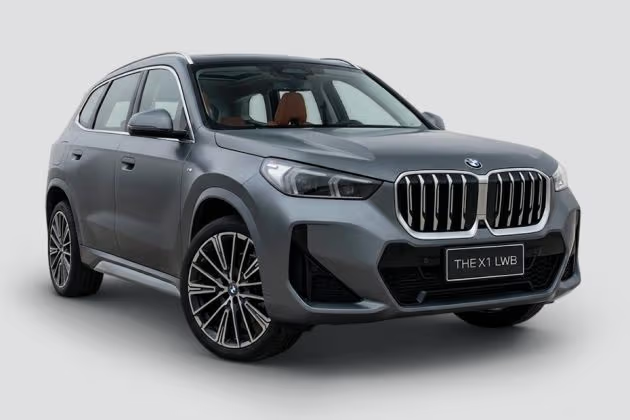
A luxury sedan that originally cost Rs 60 lakh may be available for Rs 10 lakh after several years. Although its market value has decreased, many of its components are still premium products.
Its suspension system, transmission, electronic modules, braking components and engine accessories may require expensive replacement parts.
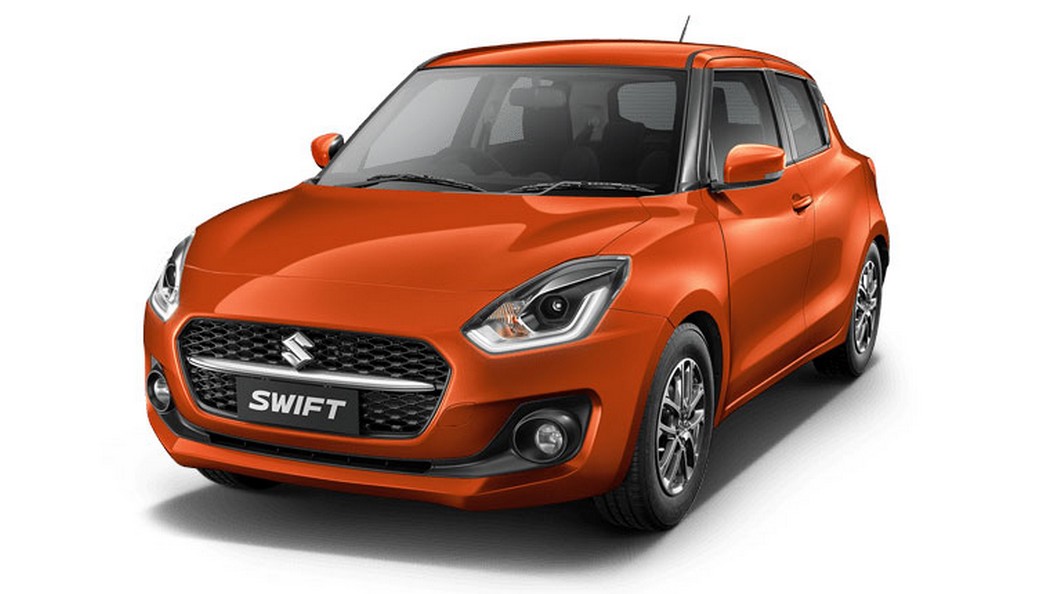
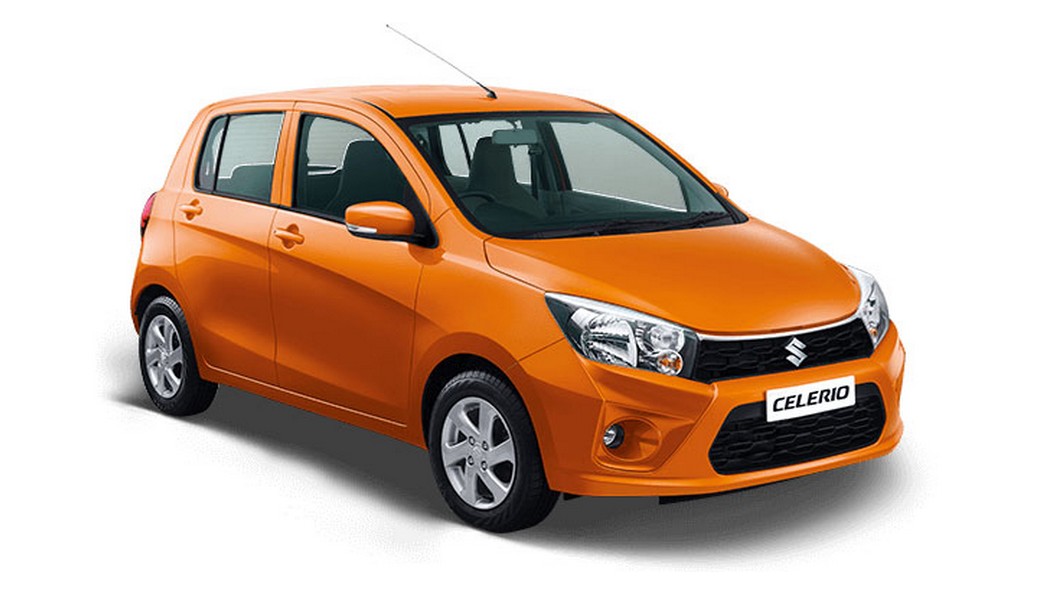
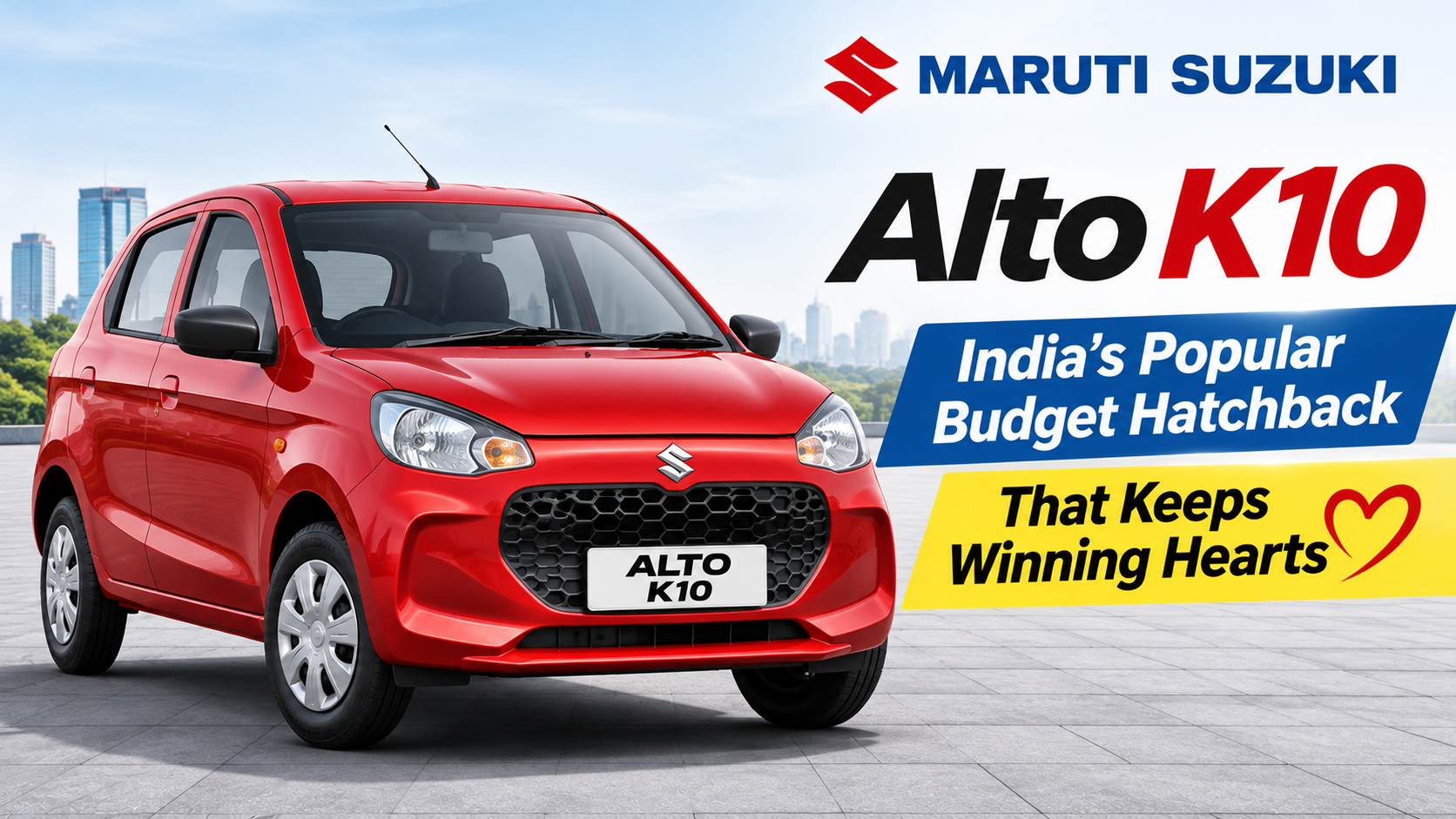
In comparison, a new hatchback costing Rs 10 lakh is designed around a different ownership and maintenance structure. Its components are generally more affordable, and routine servicing is often simpler.
This difference explains why two vehicles with similar purchase prices can have very different maintenance expenses.
2. Luxury Car Spare Parts Are Usually More Expensive
Spare-part prices are among the most important factors affecting long-term ownership costs.
Luxury vehicles often use specialised components designed to deliver better performance, comfort, safety and refinement.
These components can be significantly more expensive than the parts used in mass-market hatchbacks.
For example, replacing a headlamp on a premium luxury sedan may cost considerably more than replacing a conventional headlamp on a budget hatchback.
Modern luxury vehicles may use adaptive LED or matrix lighting systems with sophisticated electronic controls. A damaged lighting unit may require replacement of an entire assembly rather than a simple bulb.

Other potentially expensive components include:
-
Electronic control modules
-
Premium infotainment displays
-
Adaptive suspension components
-
Automatic transmission parts
-
Advanced braking systems
-
Engine sensors and actuators
-
Electric seat mechanisms
-
Power steering components
-
Parking sensors and cameras
Even relatively small repairs can become expensive when specialised components are involved.
A new hatchback generally uses more widely available components, making routine repairs and replacements easier on the budget.
3. Engine and Transmission Maintenance Can Be Expensive
Luxury vehicles frequently feature more powerful and technically advanced engines than ordinary hatchbacks.
These engines may include turbochargers, direct fuel injection, complex cooling systems and sophisticated emission-control equipment.
While these technologies improve performance and driving refinement, they can also increase maintenance complexity.
For example, a turbocharged petrol engine may require careful attention to engine oil quality, cooling-system performance and service intervals.
Diesel luxury vehicles can also have additional components such as diesel particulate filters, exhaust gas recirculation systems and advanced fuel injection equipment.
Transmission maintenance is another important consideration.
Luxury cars often use sophisticated automatic transmissions, including dual-clutch gearboxes and advanced torque-converter systems. These transmissions may require specialised fluids, diagnostic equipment and trained technicians.
If a major transmission repair becomes necessary, the expense can be substantially higher than that of repairing a conventional hatchback transmission.
This does not mean every luxury vehicle will develop transmission problems. However, buyers should understand the potential repair costs before purchasing an older premium vehicle.
Petrol vs Diesel vs CNG vs Electric Cars: How to Choose the Right Fuel Type
4. Suspension and Braking Systems Can Increase Ownership Costs
Luxury vehicles are designed to provide a comfortable and stable driving experience.
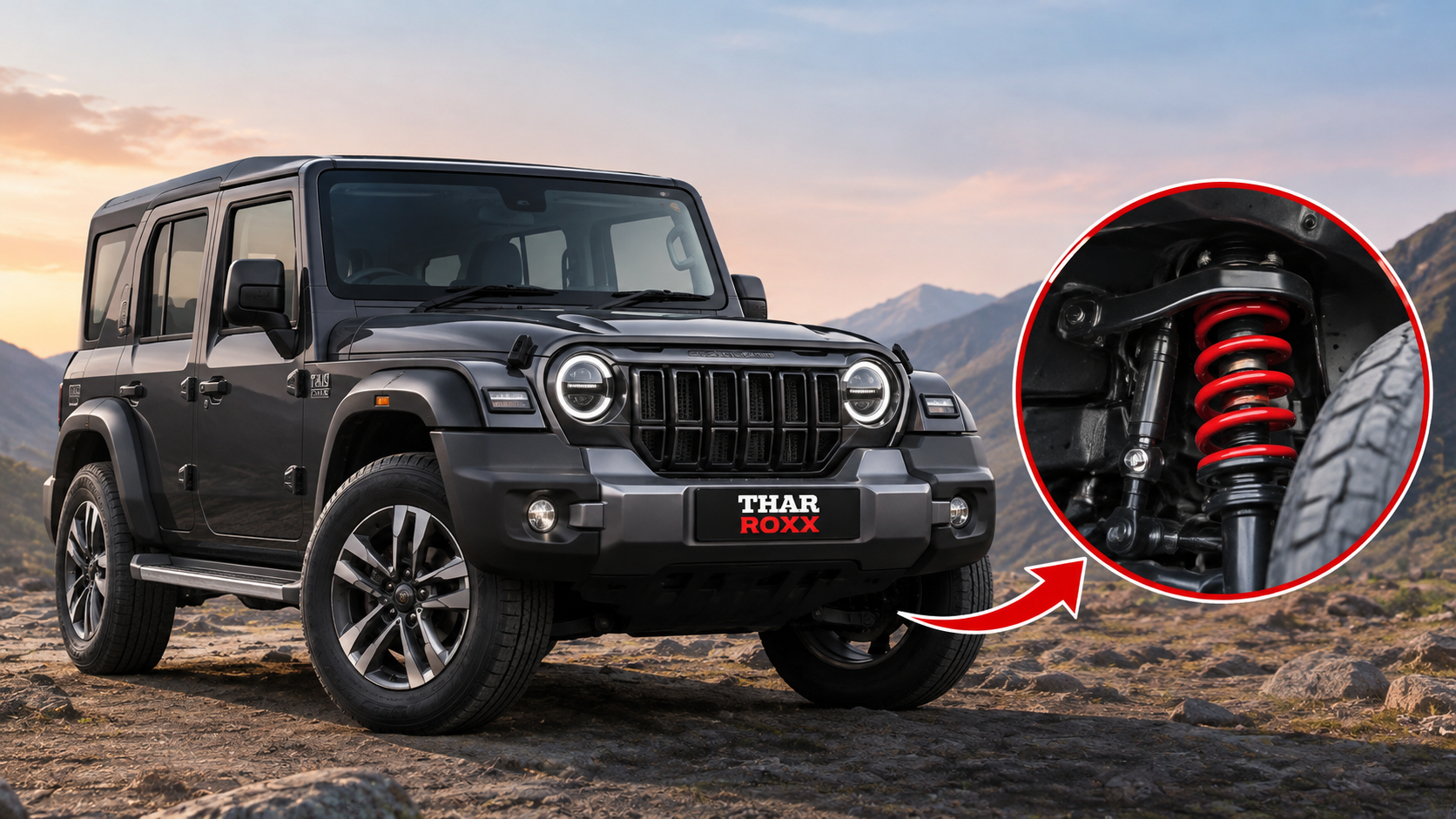
To achieve this, some models use sophisticated suspension systems with additional electronic controls and specialised components.
Depending on the vehicle, these may include adaptive dampers, electronically controlled suspension, air suspension or advanced multi-link arrangements.
Such systems can improve ride quality and handling, but repairs may be expensive when components wear out.
Air suspension is a particularly important consideration when purchasing an older luxury SUV or sedan.
Air springs, compressors, valves and electronic controls can require costly repairs if they develop faults.
Braking systems may also be more expensive than those found in ordinary hatchbacks.
Larger vehicles with powerful engines often use bigger brake discs, specialised brake pads and more advanced electronic braking systems.
Replacement costs can increase further when premium tyres and alloy wheels are involved.
A new hatchback generally has simpler suspension and braking arrangements, making routine maintenance more predictable.
5. Electronics and Advanced Features Can Become Expensive to Repair
Modern luxury cars contain numerous electronic systems designed to improve comfort, safety and convenience.
These features may include:
-
Adaptive cruise control
-
Blind-spot monitoring
-
Electronic parking assistance
-
Multiple camera systems
-
Digital instrument clusters
-
Advanced infotainment systems
-
Electrically adjustable seats
-
Automatic climate control
-
Panoramic sunroofs
-
Electronic suspension controls
Although these features make driving more enjoyable, they introduce additional components that can potentially fail as the vehicle ages.
For example, a malfunctioning infotainment screen may require specialised diagnosis or replacement.
Similarly, an electronic seat adjustment problem could involve motors, wiring, switches or control modules.
Some repairs may require brand-specific diagnostic equipment and software.
A mass-market hatchback generally has fewer expensive electronic systems, although modern hatchbacks also include increasingly advanced technology.
The important difference is that the cost of repairing a particular electronic component can vary significantly between models.

6. Luxury Car Insurance and Tyre Costs Should Not Be Ignored
Maintenance expenses are not limited to servicing and mechanical repairs.
Insurance premiums and tyre replacement costs also contribute to overall vehicle ownership expenses.
A used luxury vehicle may have a lower current market value than its original showroom price, but its insurance premium depends on several factors, including the insured declared value, vehicle age, location, coverage and claim history.
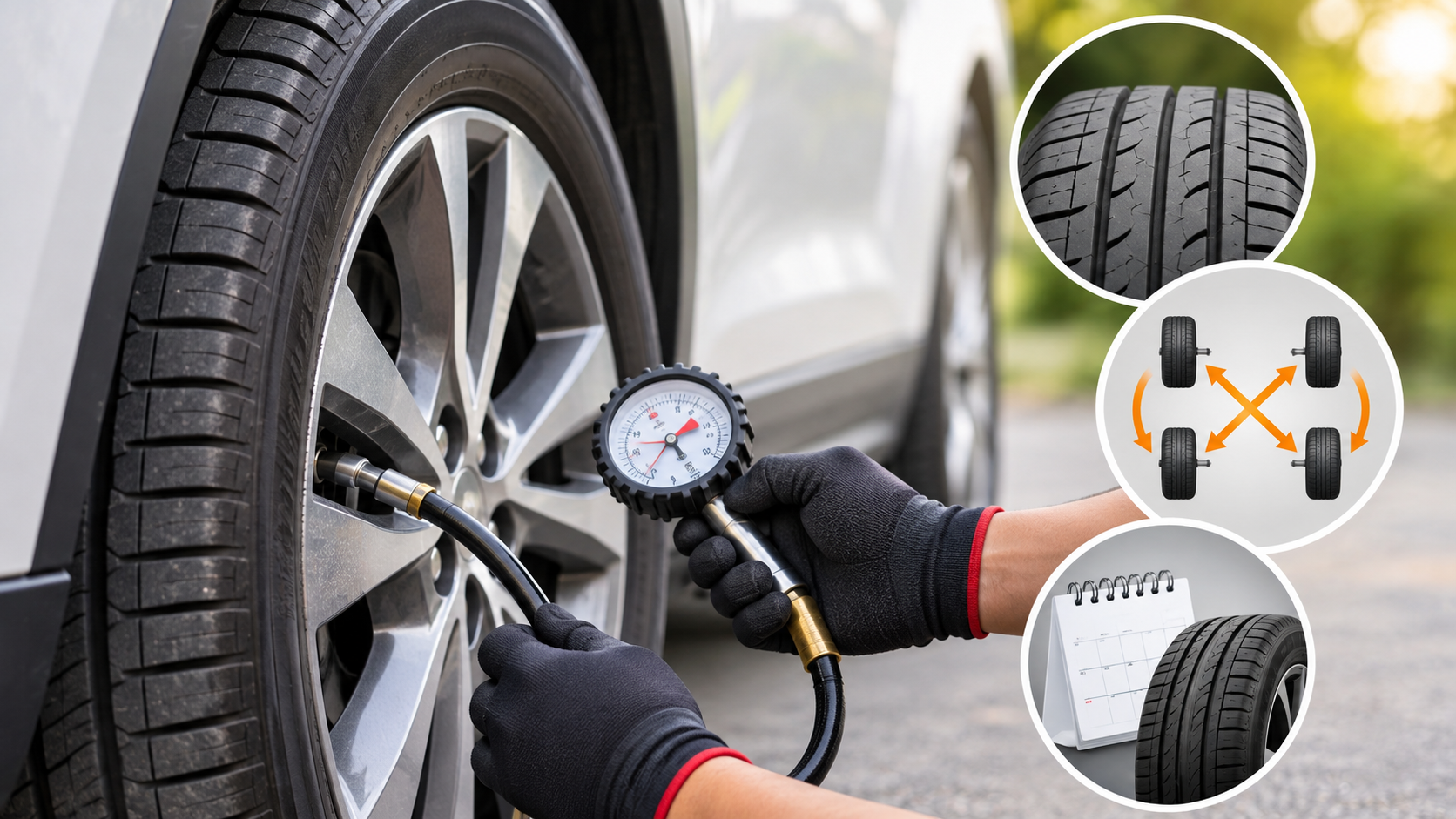
Premium vehicles may also require larger and more expensive tyres.
For example, a luxury SUV fitted with wide 19-inch or 20-inch tyres can cost substantially more to maintain than a hatchback using smaller wheels.
Performance-oriented tyres may also have shorter replacement intervals depending on driving style and road conditions.
Wheel alignment, balancing and replacement costs should therefore be included in the ownership budget.
Buyers should obtain actual insurance and tyre quotations rather than assuming that lower resale value automatically means lower running expenses.
7. Servicing a Luxury Car Requires Specialised Workshops
Another important difference between luxury vehicles and ordinary hatchbacks is the servicing infrastructure.
Many luxury vehicles require specialised diagnostic equipment, trained technicians and brand-specific procedures.
Although independent garages can maintain several premium vehicles, not every workshop has the necessary tools or experience to handle complicated repairs.
Authorised service centres may charge higher labour rates because of specialised equipment, training and service standards.
Some components may also require software updates, electronic calibration or coding after replacement.
For example, replacing certain sensors, cameras or control modules may require additional programming.
In comparison, ordinary hatchbacks generally have wider service networks and more accessible independent repair options.
This makes routine maintenance more convenient and predictable for many mass-market vehicles.
Hatchback vs Sedan vs SUV: Which Car Type Suits You Best?
8. Vehicle Age Can Be More Important Than the Original Purchase Price
A used luxury car may look attractive because it originally belonged to a premium segment. However, age has a major influence on its maintenance requirements.
Rubber components, hoses, seals, electrical connections and suspension bushes deteriorate over time.
Even if the vehicle has covered relatively few kilometres, certain age-related repairs may become necessary.
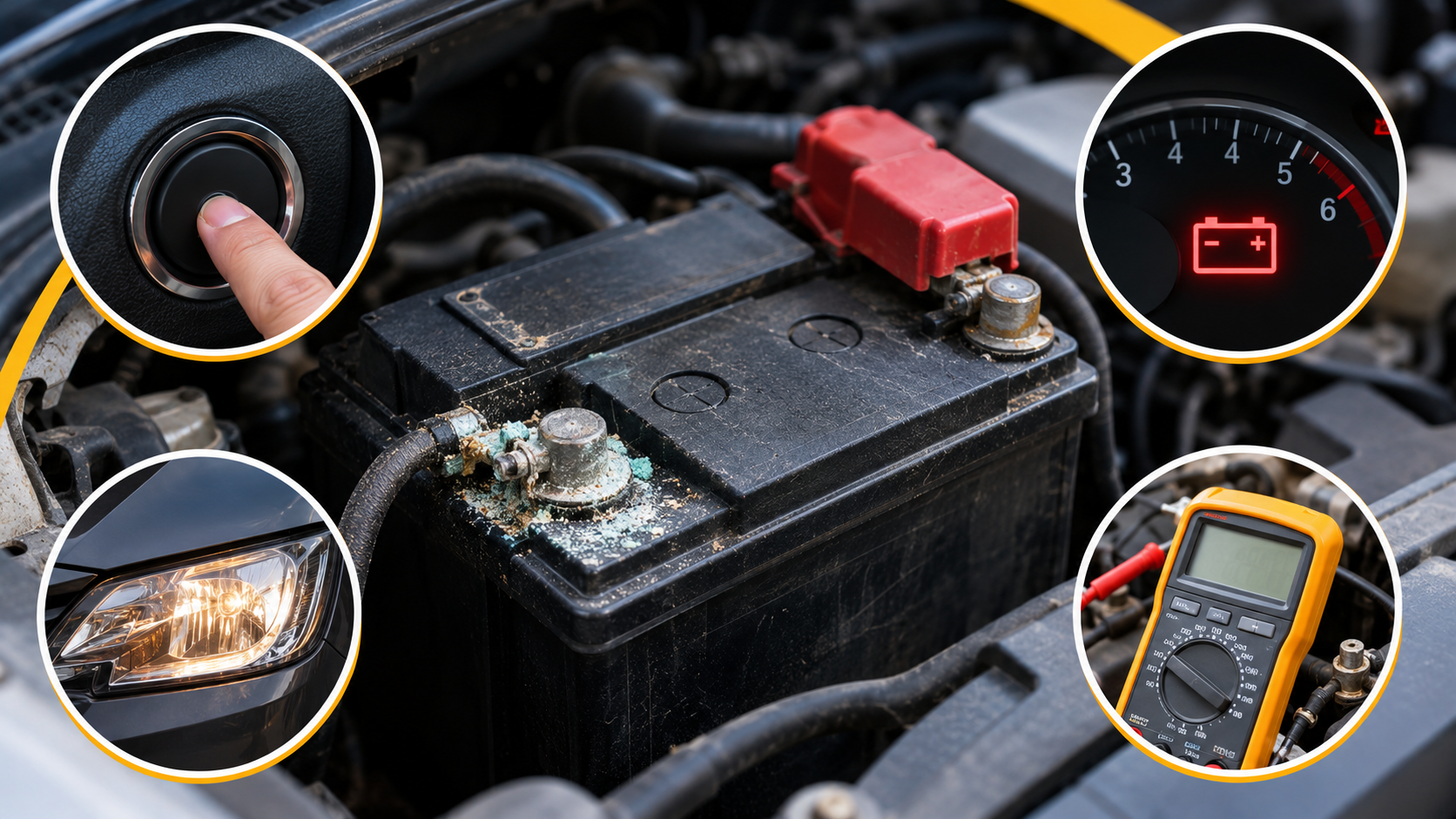
For example, an eight-year-old luxury sedan may require replacement of its battery, tyres, suspension bushes, coolant hoses and other ageing components.
A newer hatchback is generally less exposed to these age-related maintenance requirements.
However, a new vehicle is not completely free from unexpected repairs. Manufacturing defects, accidents and poor usage can affect any vehicle.
The key consideration is the combination of vehicle age, mileage, maintenance history and actual mechanical condition.
9. Real Ownership Costs: Used Luxury Car vs New Hatchback
Consider a buyer with a budget of approximately Rs 10 lakh.
The buyer has two options: a previously owned luxury sedan or a new mass-market hatchback.
Both vehicles may have similar purchase prices, but their annual ownership expenses can be different.
|
Ownership expense
|
Used luxury car
|
New hatchback
|
|
Routine servicing
|
Generally higher
|
Generally lower
|
|
Spare parts
|
Often expensive
|
Usually more affordable
|
|
Engine repairs
|
Can be expensive
|
Usually simpler
|
|
Transmission repairs
|
Potentially very expensive
|
Generally more affordable
|
|
Suspension repairs
|
May be costly
|
Usually less expensive
|
|
Electronic repairs
|
Can require specialised diagnosis
|
Generally simpler
|
|
Tyre replacement
|
Often more expensive
|
Usually more affordable
|
|
Insurance
|
Depends on vehicle and coverage
|
Depends on vehicle and coverage
|
|
Warranty
|
May be expired or limited
|
Usually includes manufacturer warranty
|
|
Unexpected repair risk
|
Potentially higher
|
Generally lower during warranty
|
A well-maintained luxury car may require fewer repairs than a poorly maintained hatchback. Similarly, certain premium vehicles have excellent reliability records.
The actual costs depend on the specific model, age, parts availability and maintenance history.
10. Depreciation Does Not Mean the Vehicle Has Become Cheap to Own
Depreciation is one of the reasons luxury vehicles become affordable in the used market.
A premium sedan that originally cost several times more than a hatchback may lose a substantial portion of its value over the years.
However, depreciation affects the resale price rather than automatically reducing the cost of maintaining the vehicle.
Consider a luxury car that originally cost Rs 55 lakh and is now available for Rs 10 lakh.
Its engine, transmission, suspension and electronics were designed as premium components. The availability of a cheaper used vehicle does not necessarily make these components inexpensive.
In fact, some older luxury models may become more difficult to maintain if replacement parts become less readily available.
This is why buyers should research spare-part availability before purchasing an older premium vehicle.
11. How to Calculate the Actual Cost of Owning a Used Luxury Car
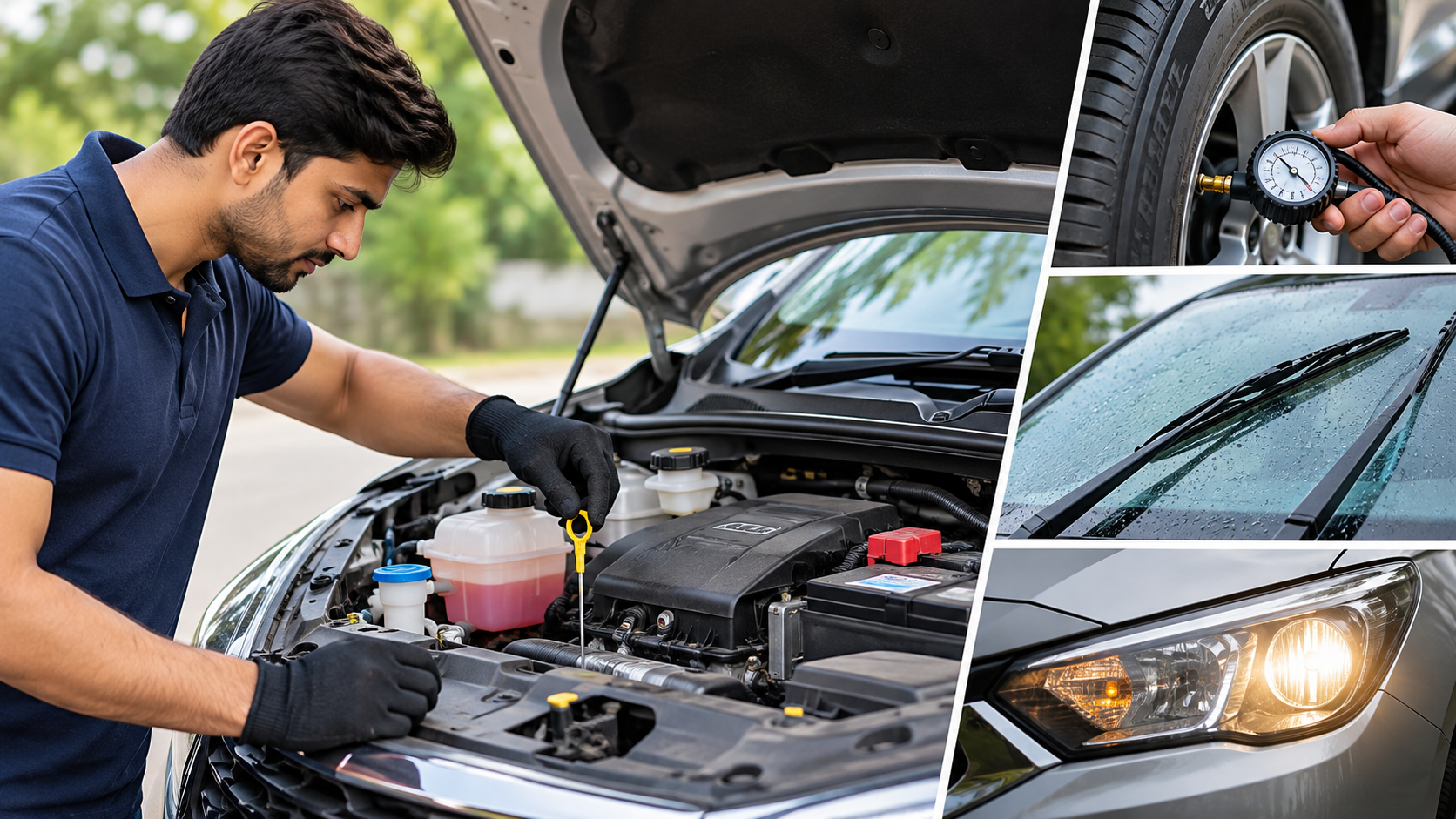
Before purchasing a used luxury vehicle, buyers should prepare a realistic ownership budget.
The purchase price is only the beginning of the financial commitment.
A proper calculation should include:
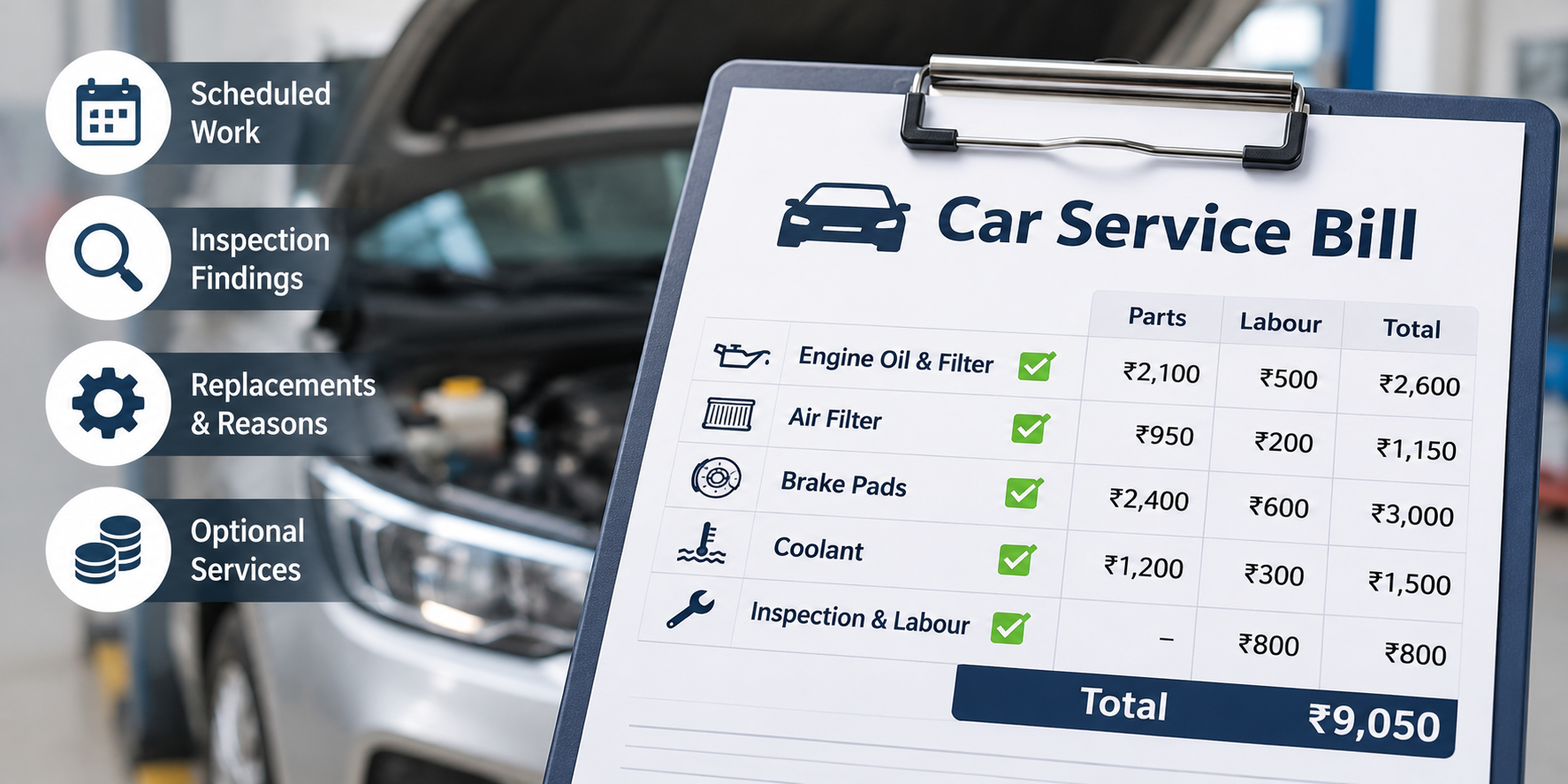
Routine Maintenance: Check the recommended service schedule and obtain an estimate for regular servicing.
Immediate Repairs: Ask an independent mechanic to identify components that may require replacement soon.
Tyres and Brakes: Inspect the condition of tyres, brake pads and discs. Calculate replacement expenses if necessary.
Insurance: Obtain an insurance quotation for the exact vehicle.
Fuel Expenses: Consider the vehicle's real-world fuel consumption and your expected monthly driving distance.
Unexpected Repairs: Keep an additional financial reserve for mechanical and electronic problems.
Parts Availability: Check whether important components are available locally and whether specialised repairs are supported.
A buyer who spends the entire budget purchasing a used luxury car without keeping money for repairs may face financial difficulties later.

12. When Does Buying a Used Luxury Car Make Sense?
Buying a used luxury car is not necessarily a bad decision.
For some buyers, it can provide an excellent driving experience at a much lower purchase price than a new premium vehicle.
However, the purchase should be based on careful evaluation rather than brand appeal alone.
A used luxury car may make sense when:
-
The vehicle has a complete and verifiable service history.
-
It has passed an independent mechanical inspection.
-
There is no serious accident or structural damage.
-
Major components are in good condition.
-
Spare parts are available.
-
The buyer can afford higher maintenance expenses.
-
There is sufficient money reserved for unexpected repairs.
-
The vehicle has a reliable service and repair network.
Buyers should also research the reliability record of the exact model and engine rather than making decisions based only on the manufacturer's reputation.
A carefully maintained premium vehicle can provide years of enjoyable ownership.
New Car vs Used Car: Which One Should You Buy?
13. When Is a New Hatchback the Better Choice?
A new hatchback may be a more practical option for buyers who prioritise predictable expenses and hassle-free ownership.
New vehicles generally come with manufacturer warranty coverage, scheduled servicing recommendations and access to an established service network.
They also offer the advantage of knowing the vehicle's complete ownership history from the beginning.
A hatchback can be particularly suitable for buyers who use their vehicles for daily commuting, family transportation and regular city driving.
Lower replacement-part costs, better fuel efficiency in many models and easier maintenance can make it a financially sensible choice.
However, buyers should still compare the specific models, warranty conditions and service costs before making a final decision.
Conclusion
The belief that a used luxury car costs the same to maintain as a similarly priced new hatchback is a common misunderstanding in the used-car market.
Although depreciation can make premium vehicles affordable to purchase, their maintenance requirements often remain more expensive. Specialised spare parts, complex engines, advanced transmissions, sophisticated electronics and premium suspension systems can increase ownership expenses.
A new hatchback generally offers more predictable maintenance costs, warranty protection and easier access to affordable replacement parts.
However, the right decision ultimately depends on the vehicle's condition, maintenance history, reliability and the buyer's financial capacity.
A used luxury car can be a rewarding purchase for someone who understands its ownership requirements and has enough money for repairs. For someone looking for affordable daily transportation with predictable expenses, a new hatchback may be the smarter option.

 Khyati Sharma 2026-11-05