
 Khyati Sharma 2026-11-13
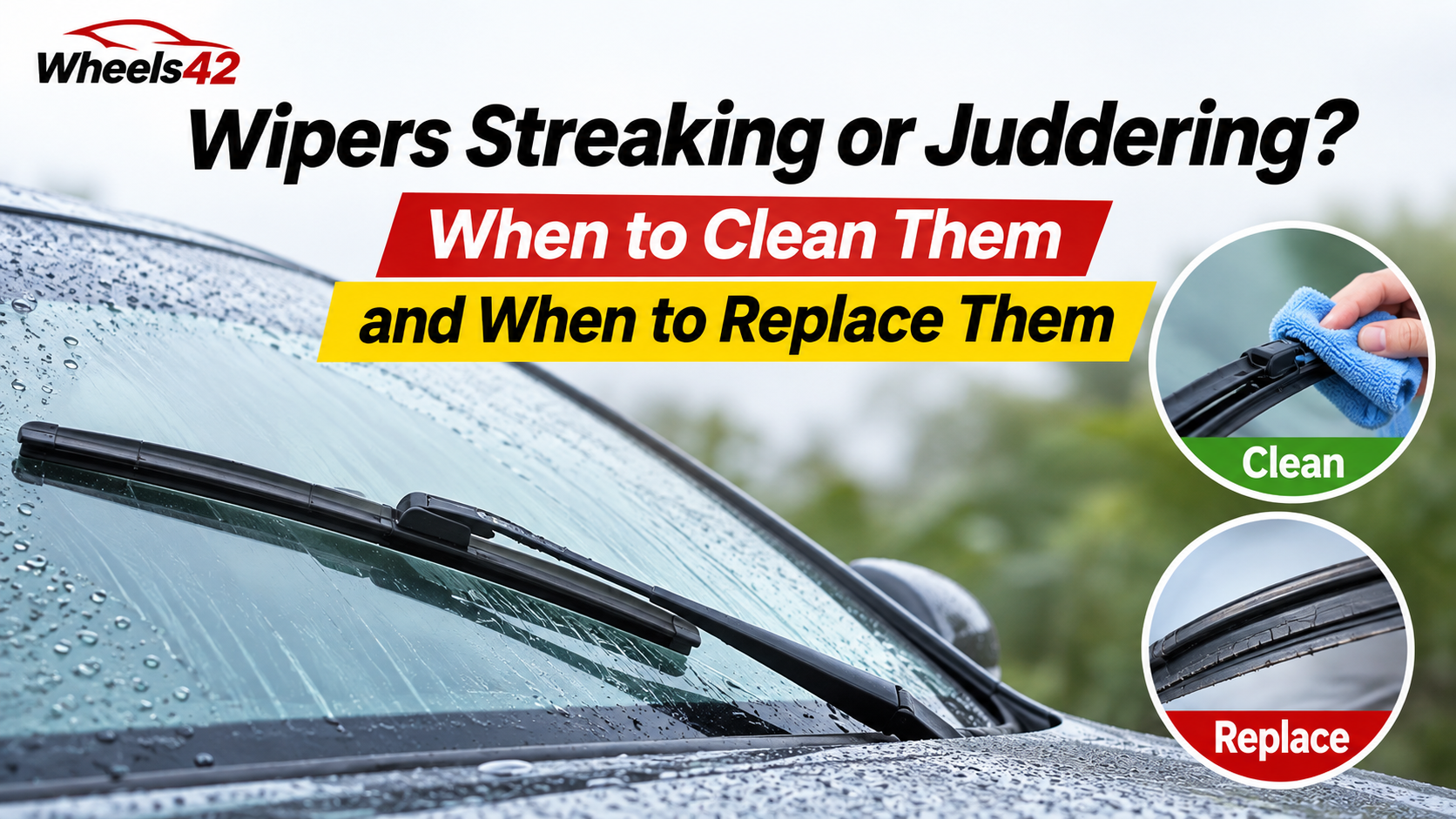
Windshield wipers play an important role in maintaining clear visibility while driving, especially during rain, fog, dust storms and other challenging weather conditions. However, many car owners experience problems such as streaking, juddering, squeaking or uneven wiping. These issues can make driving uncomfortable and, more importantly, reduce visibility when it is needed most.
When windshield wipers stop working smoothly, the immediate reaction is often to replace the blades. However, not every wiper problem requires a new set. Sometimes, the actual cause is dirt, oil deposits, road grime or contamination on the windshield. In other situations, the rubber blade may have become hard, cracked or damaged due to prolonged exposure to sunlight and changing temperatures.
Understanding the difference between a cleaning issue and a worn-out wiper blade can help car owners avoid unnecessary replacement expenses while maintaining safe driving conditions.
If the Headlights Work, the Battery Must Be Healthy: Myth or Fact?
Streaking occurs when windshield wipers fail to remove water evenly from the glass surface. Instead of leaving a clean viewing area, the blades leave thin lines, patches or cloudy marks behind.
One common reason is contamination on the rubber edges. Dust, mud, insects, tree sap and road oils can collect on the blades over time. When the wipers move across the windshield, these contaminants prevent the rubber from maintaining proper contact with the glass.
Another possible reason is a dirty windshield. Even if the wiper blades are in good condition, accumulated traffic film, wax residue and oily deposits can cause streaking.
Streaking can also indicate worn rubber. Over time, the wiping edge loses its original shape and flexibility. This makes it difficult for the blade to maintain consistent contact with the windshield.
Some common causes of streaking include:
Dirt and dust accumulated on the rubber blade.
Oil and wax deposits on the windshield.
Hardened or damaged rubber edges.
Incorrectly fitted replacement blades.
Uneven pressure from the wiper arm.
Poor-quality or incompatible wiper blades.
Before purchasing replacement blades, cleaning both the windshield and rubber edges is a sensible first step.

Juddering refers to the repeated vibration, skipping or chattering movement of windshield wipers across the glass. Instead of moving smoothly, the blades may jump, shake or produce an irritating noise during operation.
This problem is commonly associated with friction between the rubber blade and the windshield.
One major cause is an excessively dry or contaminated glass surface. When the windshield has oil deposits, road film or wax residue, the rubber may struggle to glide smoothly.
Incorrect wiper arm alignment can also cause juddering. Wiper blades are designed to move across the windshield at a particular angle. If the arm is bent or incorrectly positioned, the blade may not maintain the correct wiping angle.
Other possible causes include:
Hardened or ageing rubber.
Incorrect blade installation.
Damaged wiper arm components.
Uneven pressure across the blade.
Poor-quality replacement blades.
A heavily contaminated windshield.
If juddering continues even after cleaning the windshield and blades, the wiper assembly may require closer inspection.
Nitrogen-Filled Tyres Never Lose Pressure: Myth or Fact?
Cleaning should be the first option when the wiper blades are relatively new and their rubber edges appear smooth, flexible and undamaged.
Dust and road grime can accumulate quickly, especially when a car is frequently parked outdoors or driven through construction areas. These contaminants can affect wiping performance without necessarily damaging the rubber itself.
A simple cleaning procedure can often restore normal operation.
Start by lifting the wiper arms carefully, following the vehicle manufacturer's instructions. Use a clean, soft microfiber cloth with water or a mild automotive cleaning solution to wipe the rubber edges.
Move the cloth along the length of the blade to remove dirt and accumulated residue. Avoid pulling or stretching the rubber.
Next, clean the windshield thoroughly using an automotive glass cleaner. Pay particular attention to areas where oily deposits and road film have accumulated.
After cleaning, allow the glass and blades to dry before testing the wipers. Use windshield washer fluid when checking their performance.
If the blades begin working smoothly without leaving streaks or making unusual noises, replacement may not be necessary.

Cleaning cannot repair physically damaged or excessively worn rubber. If the blade has lost its flexibility, developed cracks or has an uneven wiping edge, replacement is generally the better option.
Wiper blades operate under constant exposure to sunlight, heat, rain, dust and environmental contaminants. Over time, these conditions cause the rubber to deteriorate.
There are several warning signs that indicate replacement is necessary.
1. Cracked or Torn Rubber
Inspect the wiping edge carefully. Small cracks, splits or missing pieces indicate that the rubber has deteriorated. Such damage prevents the blade from maintaining consistent contact with the windshield.
2. Persistent Streaking
If streaks remain even after cleaning the windshield and blades, the rubber may have become uneven or permanently deformed.
3. Repeated Juddering
Continuous skipping or chattering after cleaning can indicate hardened rubber or an incorrectly functioning blade assembly.
4. Uneven Wiping Performance
If certain sections of the windshield remain wet while other areas are cleaned properly, the blade may have developed uneven pressure or a damaged wiping edge.
5. Unusual Squeaking Noises
Repeated squeaking or scraping sounds may indicate excessive friction, hardened rubber or poor contact with the glass. If cleaning does not resolve the issue, replacement should be considered.
6. Visible Rubber Separation
Sometimes the rubber edge begins separating from the blade structure. This is a clear sign that the component is no longer functioning properly.
|
Wiper Problem |
Possible Cause |
Recommended Action |
|
|
Light streaking |
Dust or dirt on blades |
Clean the blades |
|
|
Oily marks |
Windshield contamination |
Clean the glass |
|
|
Occasional squeaking |
Dirty or dry windshield |
Clean glass and blades |
|
|
Repeated juddering |
Hardened rubber or alignment issue |
Inspect and replace if necessary |
|
|
Cracked rubber |
Blade deterioration |
Replace blades |
|
|
Uneven wiping |
Damaged rubber or arm pressure issue |
Inspect the assembly |
|
|
Persistent streaks after cleaning |
Worn wiping edge |
Replace blades |
|
|
Rubber separating |
Physical damage |
Replace immediately |
|
Cleaning windshield wipers does not require expensive equipment or specialised tools. A few basic items are generally sufficient.
Step 1: Park the Vehicle Safely
Park the car on a level surface and switch off the ignition. Make sure the wipers are completely stationary before handling them.
Step 2: Lift the Wiper Arms Carefully
Raise the wiper arms if your vehicle allows it. Some modern vehicles require a special wiper service position. Refer to the owner's manual before lifting them.
Step 3: Clean the Rubber Edges
Take a clean microfiber cloth and dampen it with water or a mild automotive cleaning solution. Gently wipe the rubber edge from one end to the other.
Repeat until the cloth no longer collects visible dirt.
Step 4: Clean the Windshield
Use an automotive glass cleaner and a clean microfiber cloth to remove dust, oily residue and other deposits.
Avoid using household products that may leave residues or damage surrounding materials.
Step 5: Inspect the Blades
Check for cracks, tears, hardened sections and uneven rubber edges. If the blades show physical damage, cleaning will not restore their original performance.
Step 6: Test the Wipers
Lower the arms gently and test the wipers using suitable washer fluid. Check whether they move smoothly and clear the glass evenly.
Never operate dry wipers repeatedly on a dirty windshield, as this can increase friction and potentially scratch the glass.
Manual vs Automatic Car: Pros and Cons Explained
If replacement becomes necessary, selecting the correct blade is just as important as choosing a good-quality product.
Not every wiper blade fits every vehicle. Differences in length, mounting systems and arm designs mean that compatibility must be checked before purchasing.
1. Check the Correct Blade Length
The driver's side and passenger's side wipers may have different lengths. Always check the vehicle manufacturer's recommended measurements.
Using an incorrectly sized blade can result in poor coverage, interference between the wipers or contact with the windshield frame.
2. Check the Mounting Connector
Wiper blades are available with different attachment systems, including hook-style, pin-type and push-button connectors.
The replacement blade must be compatible with the existing wiper arm. Some vehicles also use specialised mounting systems.

3. Choose the Right Blade Type
Common windshield wiper designs include:
Conventional frame-type blades.
Beam-style blades.
Hybrid wiper blades.
Conventional blades use a metal support structure, while beam blades have a more flexible design that helps maintain contact with curved windshields. Hybrid blades combine features of both designs.
The best option depends on the vehicle's original specification and windshield shape.
4. Consider Rubber Quality
Replacement blades may use natural rubber, synthetic rubber or specialised coatings. Quality materials can help maintain flexibility and wiping performance under changing weather conditions.
5. Avoid Incorrect Universal Fitment
Universal replacement claims do not guarantee compatibility with every car. Check the manufacturer's fitment guide using your vehicle's make, model and year.

There is no single replacement interval that applies to every vehicle. Wiper lifespan depends on climate, usage, parking conditions and rubber quality.
Many manufacturers recommend inspecting wiper blades regularly and replacing them approximately every six to twelve months when required. However, some blades may last longer under favourable conditions, while others may deteriorate sooner in extreme heat or dusty environments.
Indian weather conditions can be particularly demanding for wiper blades.
During summer, prolonged exposure to direct sunlight and high temperatures can harden rubber. During the monsoon, frequent use increases wear. Dust, mud and pollution can also accelerate contamination and deterioration.
Instead of following a fixed replacement date, inspect the blades periodically and replace them whenever their performance or physical condition indicates that they are no longer effective.
Even good-quality windshield wipers can wear out prematurely if they are not maintained properly.
Some common mistakes include:
Using Wipers on a Dry, Dusty Windshield: Running wipers over dry dust increases friction and can damage the rubber edges. Use washer fluid before operating them when the windshield is dirty.
Using Harsh Cleaning Chemicals: Strong solvents, petrol and aggressive household cleaners can damage rubber components. Use mild, suitable automotive cleaning products.
Pulling the Rubber During Cleaning: Applying excessive force can stretch or damage the wiping edge.
Ignoring Small Cracks: Minor rubber damage can gradually become worse. Inspect blades regularly and replace damaged ones.
Buying the Wrong Size: Incorrect blade dimensions can affect windshield coverage and create additional noise.
Allowing Wipers to Freeze to the Glass: In cold weather, forcing frozen wipers to move can damage the rubber or motor mechanism. Remove ice carefully before operating them.
Hatchback vs Sedan vs SUV: Which Car Type Suits You Best?
Worn or damaged wiper blades can potentially scratch the windshield, particularly if exposed metal components or trapped hard particles come into contact with the glass.
Dust and small debris can become trapped between the rubber and windshield. When the wipers move, these particles may create fine scratches.
A damaged blade can also leave water patches and streaks that affect visibility, especially when headlights from oncoming vehicles reflect off a wet windshield at night.
Therefore, replacing visibly damaged blades is not just about reducing noise. It is also an important part of maintaining safe driving conditions.
Windshield wipers should not automatically be replaced whenever they begin streaking or making noise. In many situations, accumulated dirt, oil deposits and windshield contamination are responsible for poor wiping performance. Cleaning the blades and glass can often solve these problems.
However, cracked rubber, persistent streaking, repeated juddering and uneven wiping are signs that the blades may have reached the end of their useful life.
The best approach is to inspect the blades first, clean them properly and test their performance. If the problem continues, choose compatible replacement blades according to the vehicle manufacturer's specifications.
Regular inspection and proper maintenance can improve visibility, reduce unnecessary expenses and make driving safer during rain and other challenging weather conditions.