2026-11-07
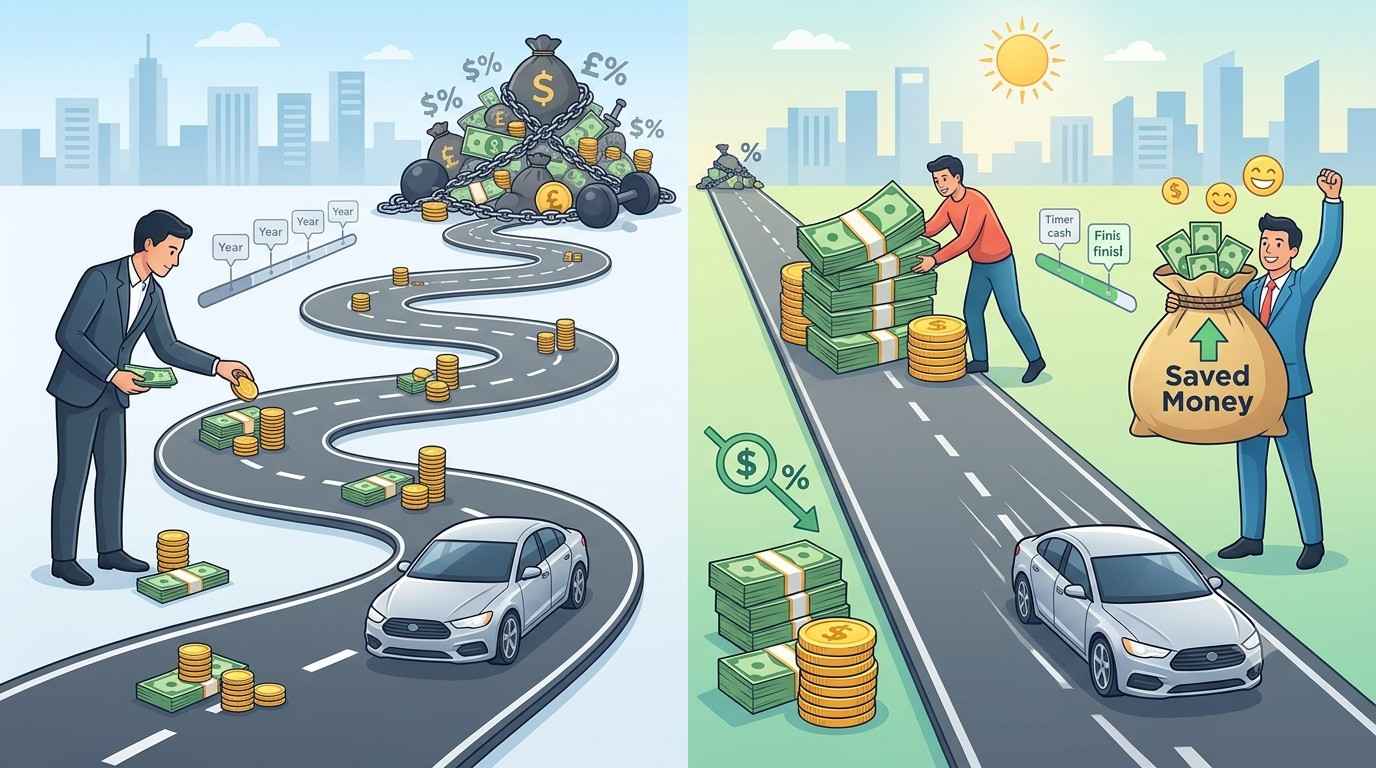
Prepay your car loan when its rate is higher than what your spare cash would earn after tax, you still have an emergency fund, and the lender charges little or nothing to close early. The earlier you prepay, the more interest you save. Under RBI’s 2025 Directions, floating-rate car loans to individuals for non-business use, sanctioned or renewed on or after 1 January 2026, can’t carry prepayment charges. Fixed-rate loans can. So read your agreement before you pay.
| Your situation | Prepay? |
| Loan rate beats your after-tax return and you hold a solid cushion | Yes, and sooner is better |
| Floating-rate loan sanctioned on or after 1 January 2026 | Usually no charge, so the main question is your cash cushion |
| Fixed-rate loan with a prepayment charge | Only if the saving beats the charge |
| You carry credit card or personal loan debt | Pay that off first |
| The loan has under a year left | Usually not worth the effort |
Yes, if three things line up: the loan costs more than your spare money earns, you keep a cushion, and the exit costs little. If one of them fails, wait or prepay less.
Compare the loan rate with what the money would earn after tax. Say a 7% fixed deposit is taxed at the 30% slab. It leaves about 4.9%, a little less with cess. A 9.5% loan costs 9.5% for certain. So prepaying wins that comparison, and the saving isn’t taxed.
Market investments can beat 9.5%, but not reliably. And invested money stays reachable, while prepaid money doesn’t come back. The same test runs through whether to pay cash or borrow and invest the difference, so use it before you commit a lump sum.
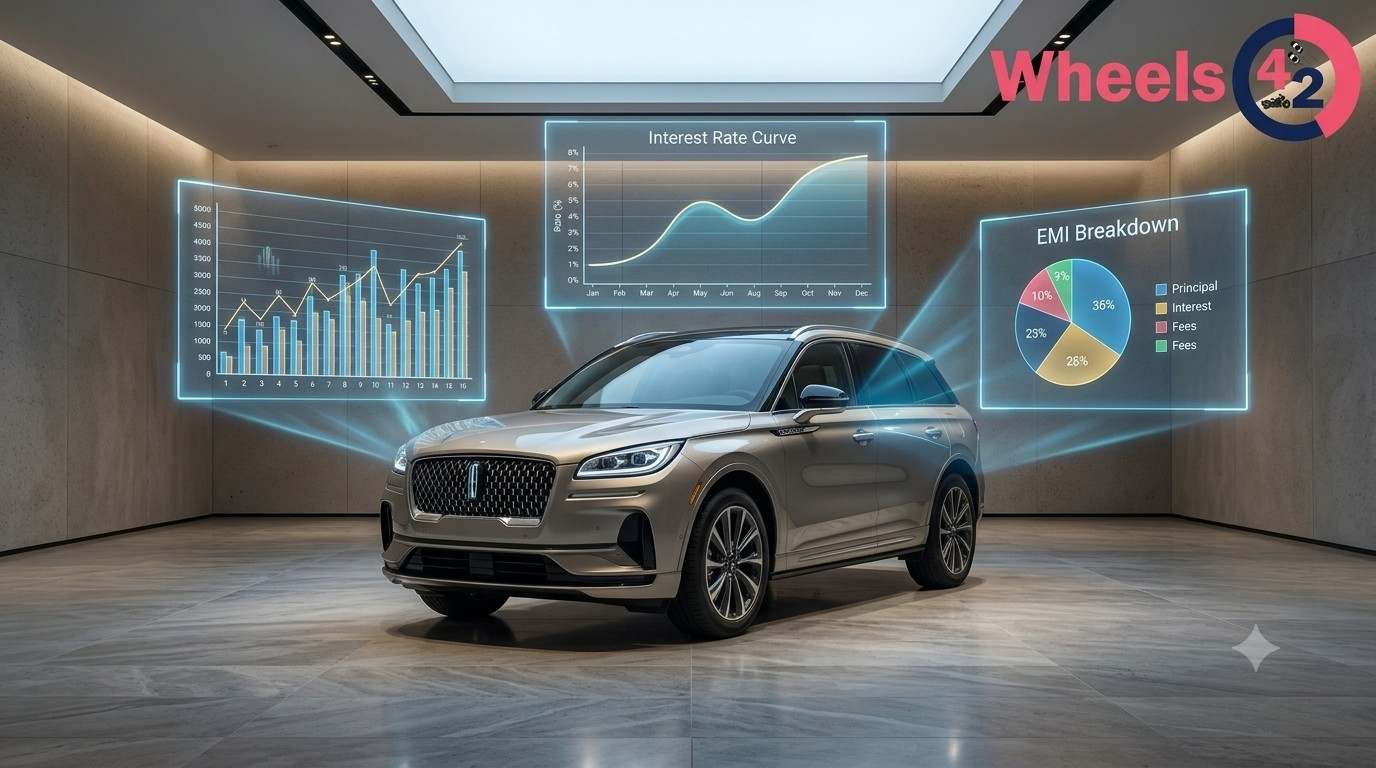
It depends on how much you prepay and when. The earlier it lands, the more you save. Why? Interest is charged on what you still owe each month, as how reducing-balance interest is charged each month shows with a split by year. Early on, the balance is large and each rupee you remove stops costing interest for years.
Here’s the effect on an ₹8 lakh loan at 9.5% for five years. The EMI is about ₹16,805, and the loan costs about ₹2,08,300 in interest if you never prepay. The table shows a ₹1 lakh part-prepayment with the EMI kept the same.
| When you prepay ₹1 lakh | Interest saved | Loan ends earlier by |
| End of month 12 | About ₹42,000 | About 8.5 months |
| End of month 24 | About ₹29,600 | About 7.7 months |
| End of month 36 | About ₹18,300 | About 7 months |
| End of month 48 | About ₹7,500 | About 6.4 months |
Same ₹1 lakh, but waiting from month 12 to month 48 cuts the saving by more than 80%. Delay costs money here.
Shorten the tenure if you can afford the same EMI. It saves far more. Lower the EMI only if you need breathing room each month.
| After a ₹1 lakh prepayment at month 12 | New EMI | Loan ends | Interest saved |
| Keep the EMI, shorten the tenure | ₹16,805 | About 8.5 months earlier | About ₹42,000 |
| Lower the EMI, keep the tenure | About ₹14,290 | Same date | About ₹20,800 |
Lowering the EMI keeps the loan running at the old end date, so interest keeps accruing on a larger balance for longer.
=NPER(annual rate/12, -EMI, new balance).Check each of these in your agreement. Practices vary by lender, so none is universal.
| Charge or condition | What to check |
| Prepayment or part-payment charge | Whether it exists and how it’s calculated, usually a percentage of the amount prepaid |
| Foreclosure charge | Usually a percentage of the outstanding amount for a full closure |
| GST on the charge | Whether it applies on top |
| Minimum part-prepayment | Some lenders set a floor, such as a few EMIs |
| Limits on frequency | How many part-payments the lender allows |
| Lock-in period | Whether early prepayment is barred for the first months |
| Accrued interest and dues | What you owe up to the date of payment |
For many floating-rate car loans, nothing is charged. Here’s how it works:
If the documents conflict, ask the lender for a written answer before you pay.
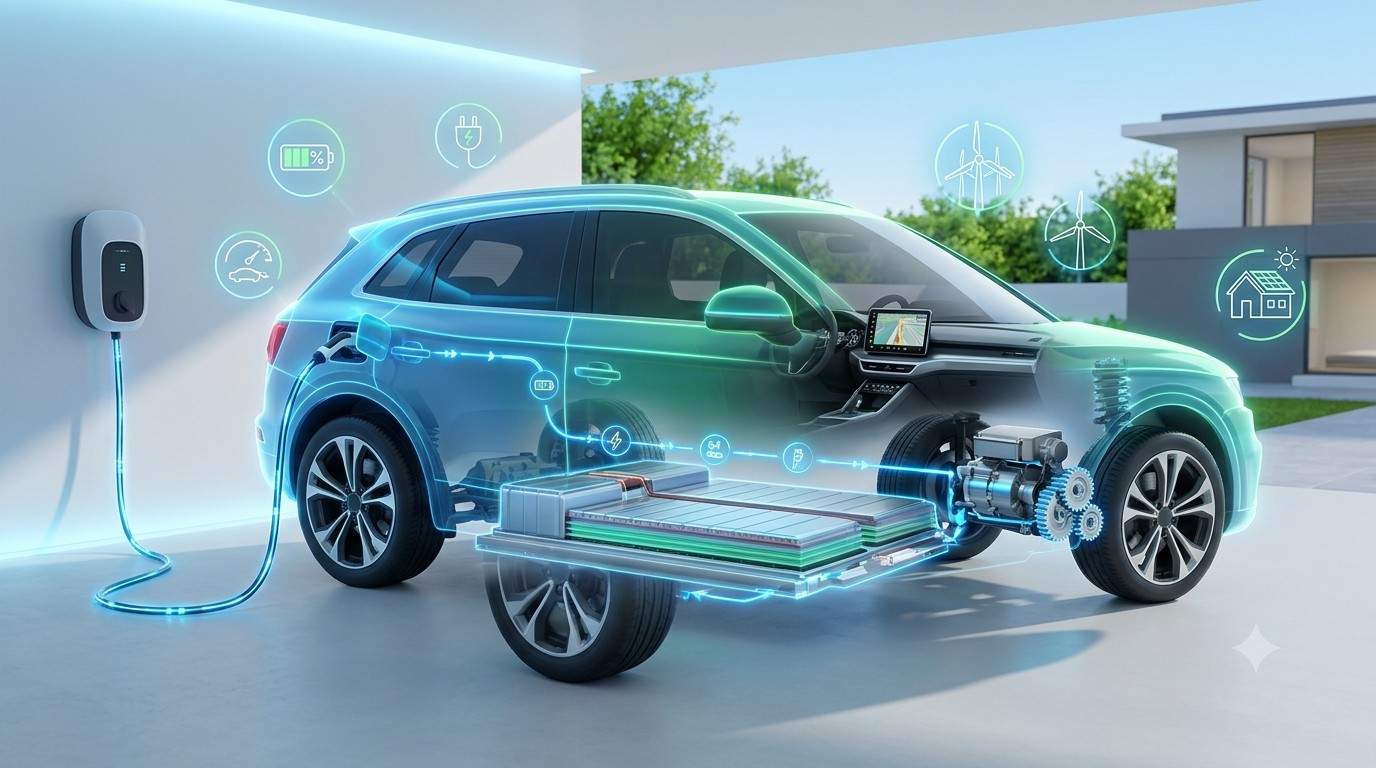
The rules and the math are the same. But a long EV loan can tempt you to clear it fast, and an empty cushion leaves you exposed to battery and tyre bills. It helps to know whether an EV battery must be replaced as soon as its warranty expires, because that sets how much cash you should keep.
Kavya is a hypothetical borrower, not a real customer. She has an ₹8 lakh, five-year floating-rate car loan at 9.5%, sanctioned after 1 January 2026. Nine months in, she gets a ₹1.5 lakh bonus. Her monthly expenses are ₹60,000, and she has only ₹60,000 in savings.
She weighed three options, all with the EMI kept the same:
| Option | What she does | Result | Cushion left |
| A | Prepay all ₹1.5 lakh | About ₹64,300 interest saved, loan ends about 12.7 months early | ₹60,000, about one month |
| B | Invest ₹1.5 lakh at 7% (before tax) | About ₹50,000 gain over the remaining term, not guaranteed | Money is invested, not instantly available |
| C | Prepay ₹90,000 and add ₹60,000 to savings | About ₹41,200 saved, loan ends about 7.8 months early | ₹1,20,000, about two months |
Option A saves the most, but it leaves a one-month cushion on a job with variable pay. Option B’s gain is pre-tax and depends on markets. And the comparison ignores that prepaying frees up EMIs sooner, which tilts further toward prepaying. So Kavya picked Option C.
Before she paid, she checked her sanction letter and confirmed it was a floating-rate loan with no prepayment charge. She asked the lender for a written part-prepayment statement and chose “keep the EMI, shorten the tenure”. Then she checked the updated schedule to confirm the principal had dropped by exactly ₹90,000.
She gave up about ₹23,000 of saving compared with Option A. In return, she kept a cushion twice as big. That’s the trade she wanted. These figures are illustrative and rounded, and your numbers will differ.
Ask for an updated amortisation schedule within a few days. The outstanding principal should fall by the amount you paid, less any charge and accrued interest. Then check three things: the new tenure or EMI matches what you chose, the next EMI date hasn’t changed, and the payment is applied from the date you paid. Keep the payment proof until the loan closes.
The foreclosure amount is the outstanding principal plus interest accrued to the payment date, plus any charge and GST. Quotes carry a validity date, because interest keeps accruing daily. Don’t stop your EMI until the lender confirms closure in writing. If you pay after the quote expires, ask for a fresh one.
Clear the costliest debt first. Credit card dues and personal loans usually cost far more than a car loan, so they come first. Then compare the car loan with your home loan. Home loan interest may carry tax benefits depending on your tax regime, which lowers its true cost, so ask a chartered accountant before you decide.
Not your repayment record. The account shows as closed with its history intact. You may see a small dip when an active account closes, mainly if it was one of few on your report. A part-prepayment doesn’t change your score directly. Confirm the “closed” status on your report a month or so after full closure.
Timing beats size. A rupee prepaid early saves more than a rupee prepaid late, so pay a lump sum when you have it instead of waiting to collect more. But some lenders set a minimum amount or limit how many part-payments you can make. Check those limits before you plan a monthly extra.