 Khyati Sharma 2026-09-28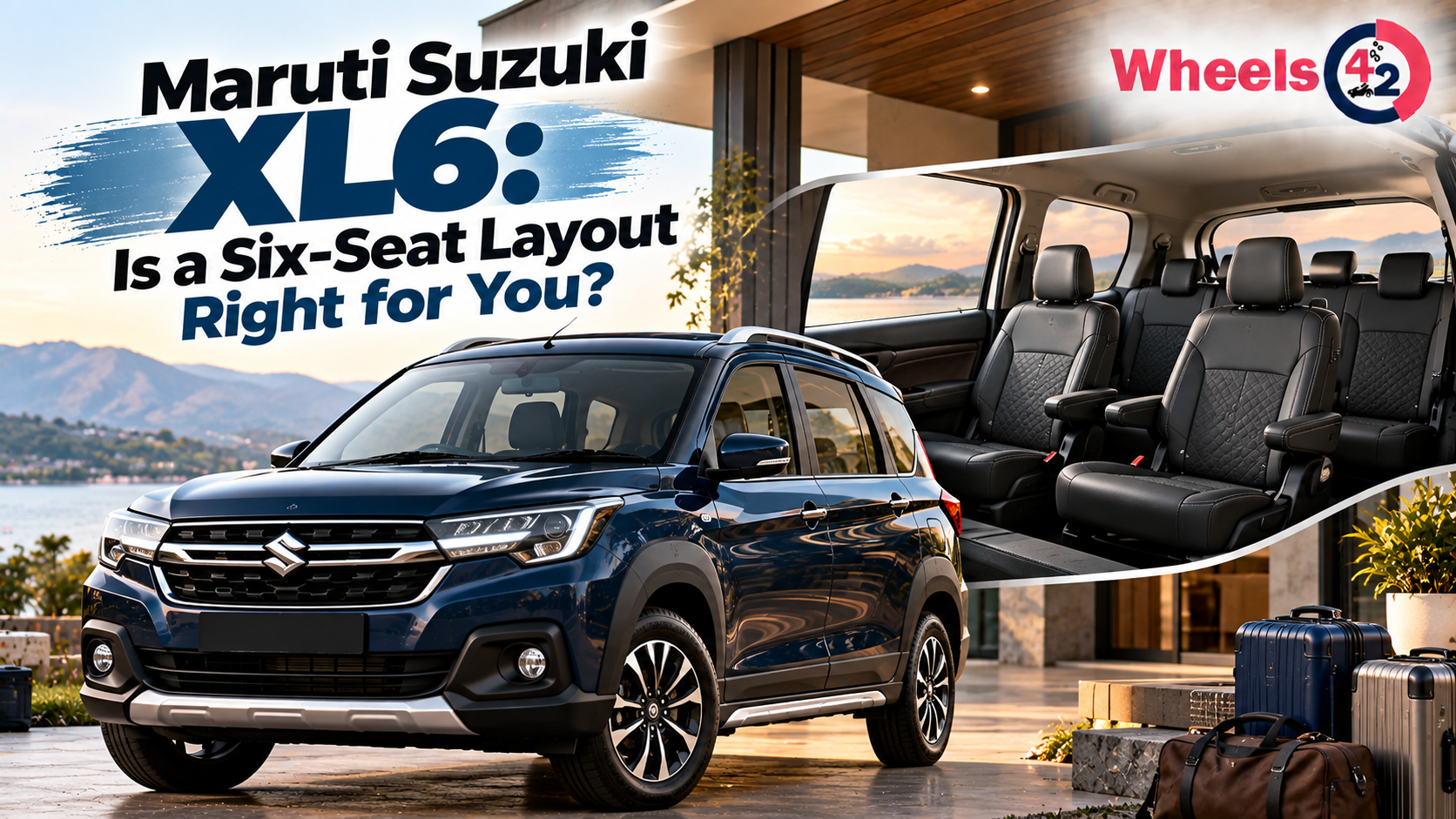
Choosing a family car is not always about getting the maximum number of seats. Sometimes, six comfortable seats can make more sense than seven tighter ones. That is exactly the idea behind the Maruti Suzuki XL6.
Instead of a conventional second-row bench, the XL6 uses two individual captain seats. This creates a six-seat layout with a more spacious and relaxed second row. But does losing the seventh seat actually matter for your family?
The XL6 has a simple seating formula: 2+2+2.
The driver and front passenger occupy the first row, two individual captain seats are positioned in the second row, and the third row provides seating for two more passengers.
The biggest advantage is second-row comfort. The captain seats provide more individual space and allow passengers to sit without sharing a bench. Maruti also provides reclining functionality and roof-mounted rear air-conditioning with adjustable vents for the rear passengers.
For a family that normally travels with five or six people, this layout can feel more premium and relaxed.
This is where the XL6 needs some thought.
If your family regularly consists of six people or fewer, the missing seventh seat may not be an issue. However, if you frequently carry seven adults, the XL6's layout immediately becomes a limitation.
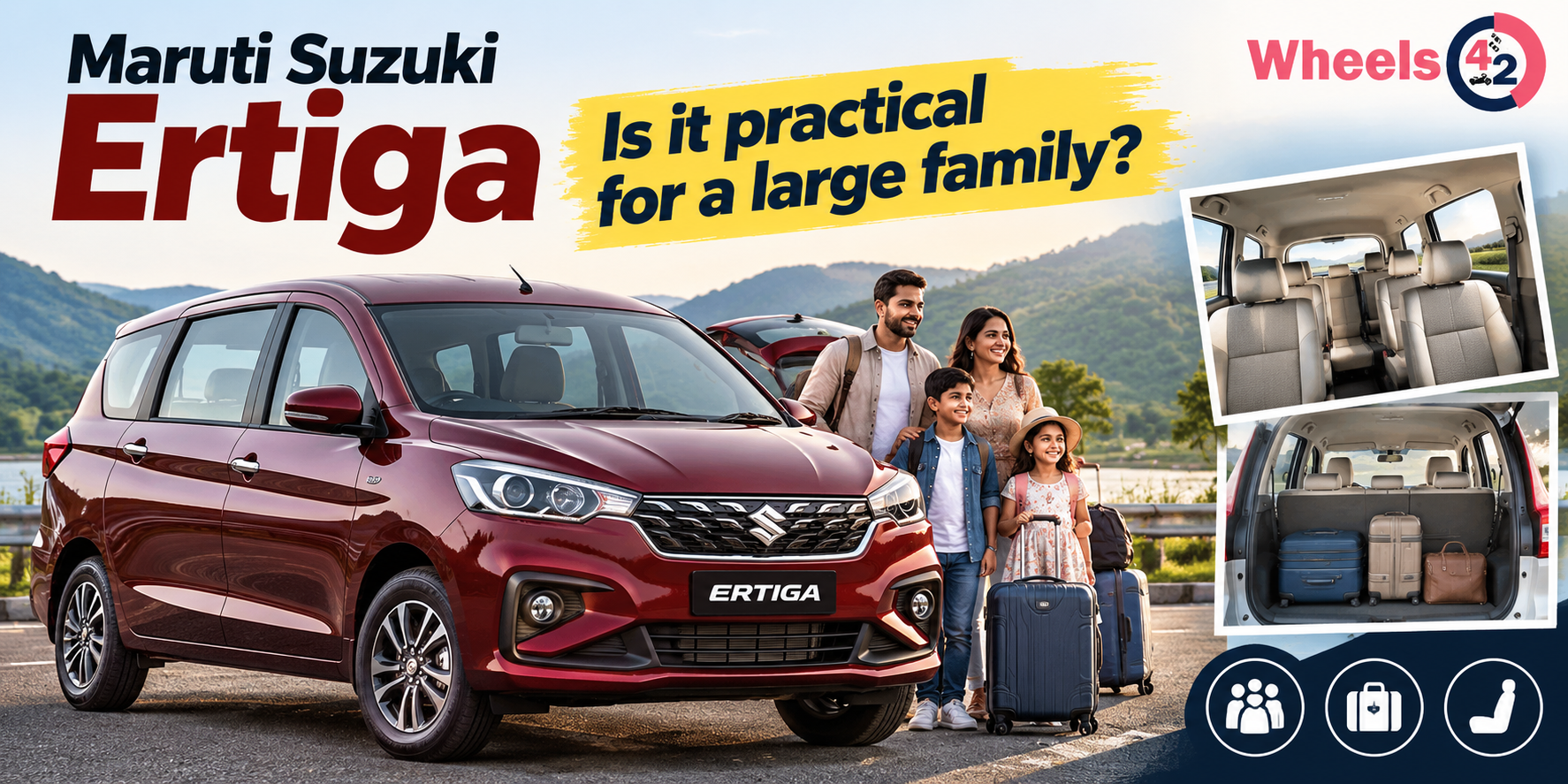
The alternative is a vehicle such as the Ertiga, which uses a conventional three-person second-row bench. That arrangement sacrifices some individual comfort but provides greater seating flexibility.
In simple terms:
|
Your Typical Use |
XL6 Layout |
|
4–5 passengers |
Very practical |
|
6 passengers |
Well suited |
|
7 passengers |
Not suitable |
|
Long-distance family trips |
Captain seats are useful |
|
Frequent large-group travel |
Seven-seater may make more sense |
The second-row arrangement can be particularly useful for families travelling long distances.
Parents can give children their own seating space, while adults get wider individual seats. Older passengers may also appreciate the easier, more open feeling of the second row.
The captain seats can also be slid to adjust available space between the second and third rows. However, the third row remains less spacious than the middle row and is better suited to children or occasional adult use.
This is one area buyers should test before booking.
The XL6's third row can accommodate passengers reasonably well, but getting in and out is not as convenient as sitting in the second row. Buyers should physically try entering the third row, particularly if older family members will use it.
The third row can also be reclined, which helps improve comfort during longer journeys.
The six-seat configuration is only one part of the XL6 package.
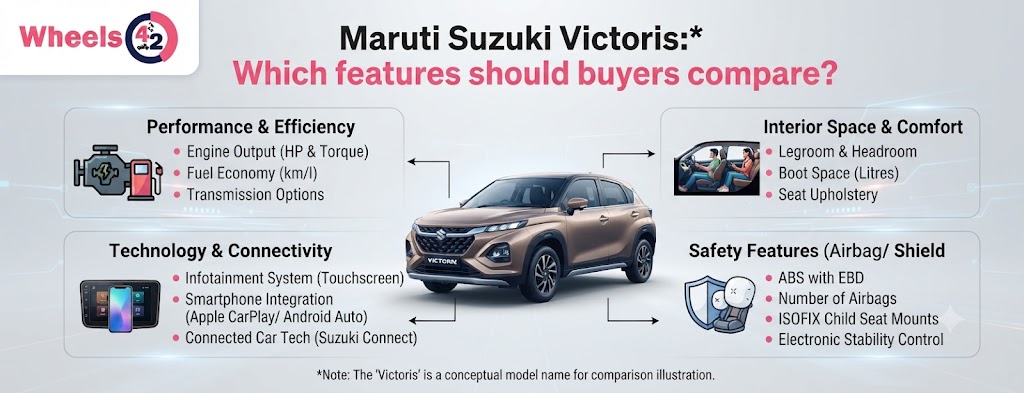
The MPV has been offered with features such as ventilated front seats, a touchscreen infotainment system, Suzuki Connect connected-car technology, cruise control, a 360-degree camera and rear AC functionality, depending on the variant.
The XL6 has also been available with both petrol and S-CNG powertrain options. The S-CNG version is aimed at buyers who put greater emphasis on fuel costs and regular daily usage. Maruti has quoted an official efficiency figure of 26.32 km/kg for the XL6 S-CNG.
Before choosing the XL6, ask yourself one question:
How often do I actually need seven seats?
If the answer is "almost never", the XL6's captain-seat arrangement can make everyday family travel more comfortable.
If the answer is "regularly", particularly with seven adults, a conventional seven-seater is likely to be more practical because the extra seat provides greater flexibility.
|
Factor |
What It Means |
|
Second-row comfort |
Two individual captain seats |
|
Passenger capacity |
Six people |
|
Third-row use |
Better for occasional adults or children |
|
Long trips |
Comfortable middle row is an advantage |
|
Large families |
Seventh seat is unavailable |
|
Daily city use |
Easy family-oriented layout |
|
Luggage flexibility |
Depends on how many passengers are travelling |
|
Alternative to consider |
Conventional seven-seat MPV |
The Maruti Suzuki XL6's six-seat layout is not a disadvantage for everyone. In fact, it is the reason many buyers may prefer it.
For a household that normally carries four to six people, the two captain seats can provide a more comfortable and premium second-row experience. But for families that frequently need to carry seven passengers, the conventional seven-seat layout remains more flexible.
So the decision should not simply be "six seats or seven seats?" Instead, think about how your family actually travels on weekdays, weekends and long journeys.
If seven passengers are a regular requirement, choose flexibility. If six is your normal maximum, the XL6's captain-seat layout can make much more sense.