
 Khyati Sharma 2026-09-26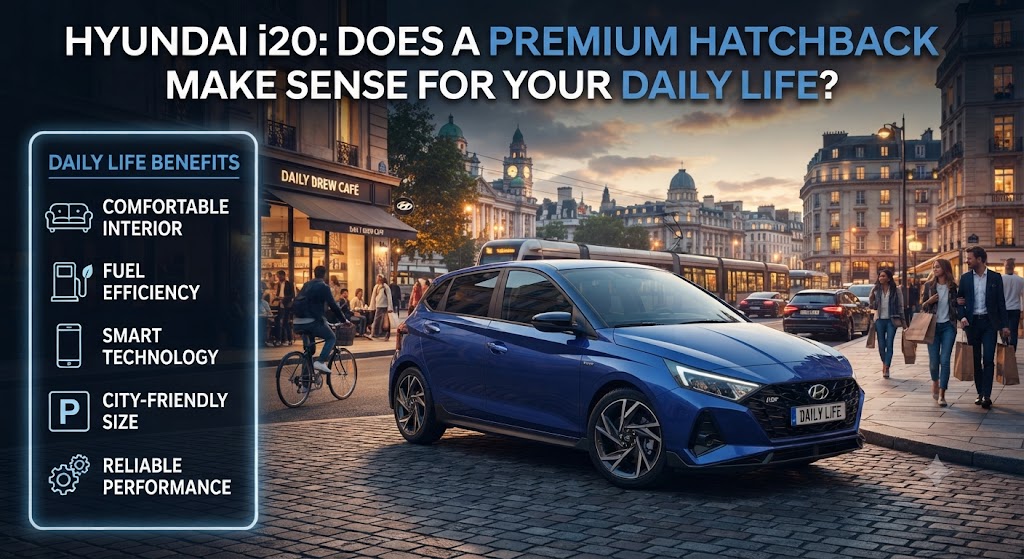
The Hyundai i20 sits between the simplicity of a regular hatchback and the larger footprint of a compact SUV. It offers a more premium cabin, a comfortable city-friendly size and a feature-rich experience without requiring buyers to move into an SUV.
But is that enough to make a premium hatchback the right choice for you?
The answer depends less on the badge and more on how you drive, where you drive and what you expect from your next car.
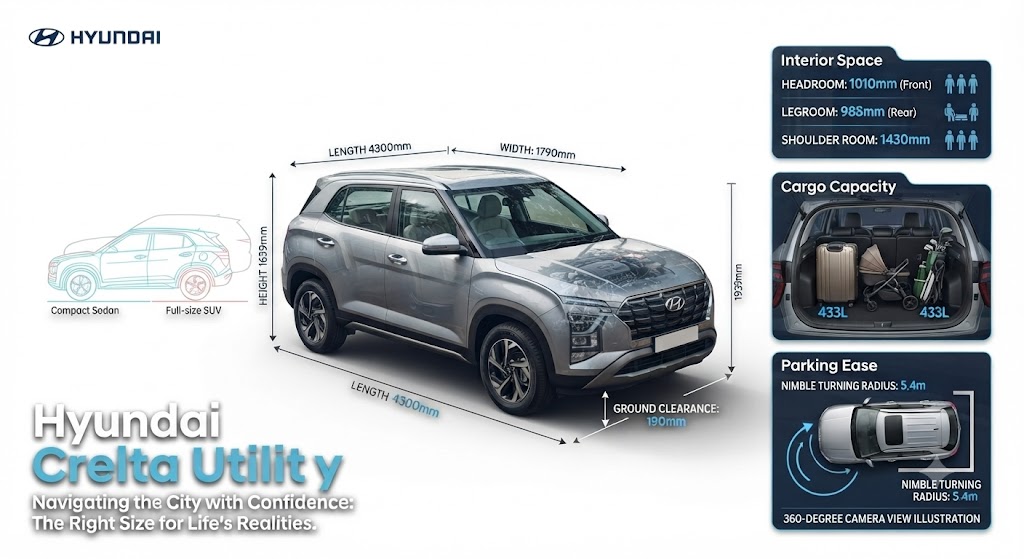
The i20 is designed around urban usability. Its hatchback proportions make it relatively easy to manoeuvre through traffic and fit into parking spaces.
If most of your driving involves:
the i20's compact footprint can be useful.
However, buyers who regularly travel over broken roads or rural routes may prefer the higher ground clearance and driving position of an SUV.
This is where the i20 separates itself from many conventional hatchbacks.
The cabin focuses on a more upmarket experience, with features such as a touchscreen infotainment system, digital instrumentation, automatic climate control, wireless connectivity and other convenience equipment depending on the variant.
|
Area |
What the i20 Offers |
|
Body style |
Premium hatchback |
|
Seating |
5 passengers |
|
City driving |
Compact and easy to manoeuvre |
|
Cabin |
Feature-focused and premium-oriented |
|
Boot |
311 litres |
|
Engine |
1.2-litre petrol |
|
Transmission |
Manual / IVT depending on variant |
|
Best suited to |
City and mixed daily driving |
The i20 uses a 1.2-litre petrol engine designed primarily for everyday driving rather than outright performance.
For city use, smooth acceleration and predictable power delivery can matter more than high horsepower figures. The manual transmission can appeal to drivers who prefer greater control, while the IVT automatic offers a more relaxed experience in stop-and-go traffic.
If you regularly drive on highways, the i20 can handle longer journeys, but buyers looking for strong SUV-like performance or diesel-style low-end torque will need to consider other types of vehicles.
For a small family, the i20 can work well as an everyday car.
The five-seat layout is suitable for normal family use, while the hatchback body makes loading smaller luggage relatively convenient. The 311-litre boot can handle everyday shopping and moderate travel luggage.
For a family that frequently carries five adults with substantial luggage, however, a larger sedan or SUV may provide more overall space.
The i20 makes the most sense if you want:
A premium hatchback: You want more features and a more polished cabin without buying an SUV.
Easy city driving: Your daily route includes traffic, narrow roads and tight parking areas.
Occasional highway travel: You need a car for weekend trips but don't spend most of your time on highways.
A petrol automatic: You prefer a relaxed driving experience in congested urban conditions.
Consider another vehicle type if your priorities include:
The Hyundai i20 is best understood as a premium everyday hatchback rather than a small SUV alternative for every buyer.
Its compact dimensions, feature-rich cabin and petrol powertrain make it suitable for urban households that want something more sophisticated than a basic hatchback.
The key question is simple: Do you actually need an SUV, or would a well-equipped premium hatchback cover most of your driving needs?
If the majority of your journeys happen in the city and you value easy manoeuvrability, cabin features and everyday convenience, the i20 deserves a place on your shortlist.