
 Khyati Sharma 2026-11-01
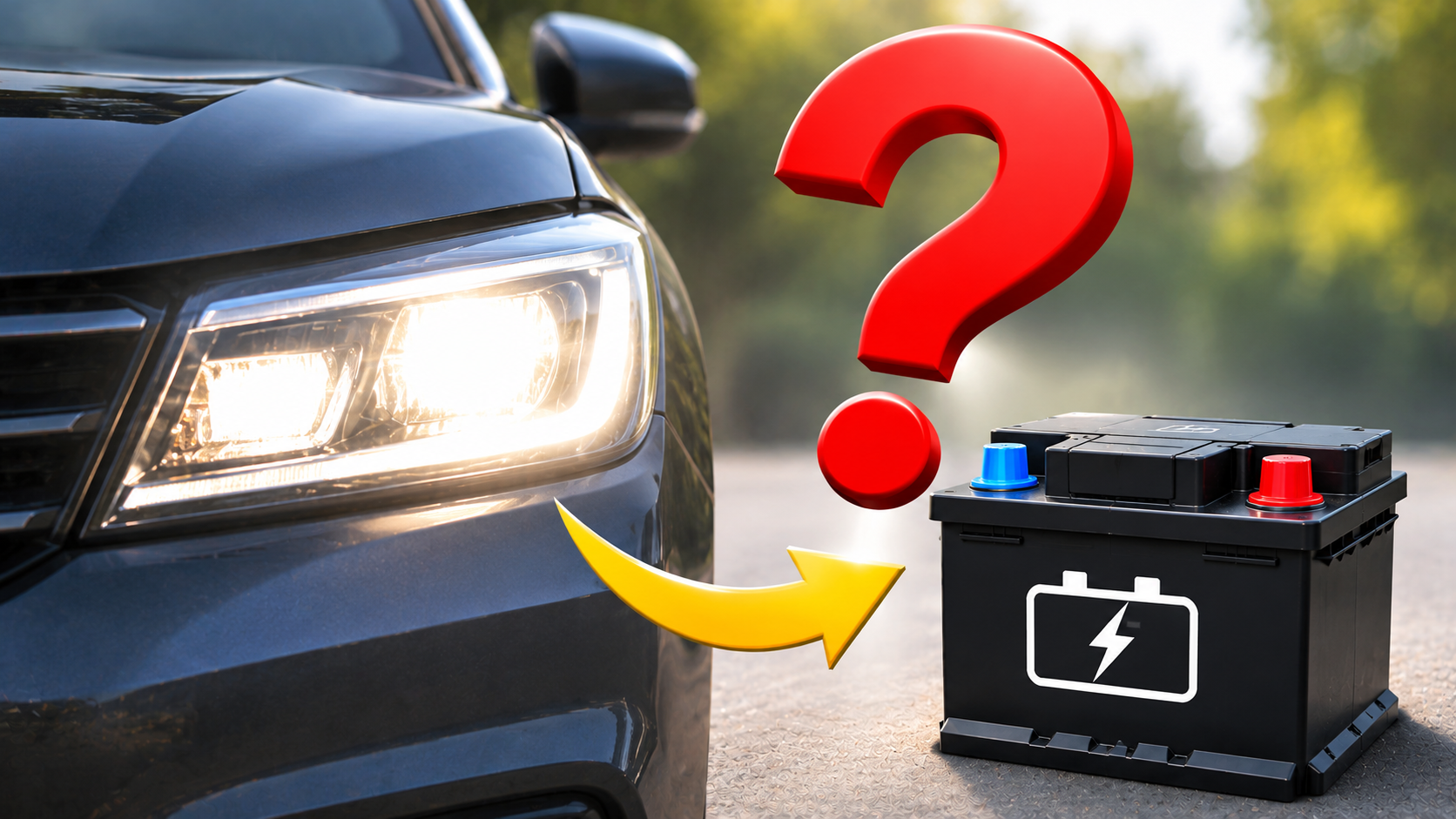
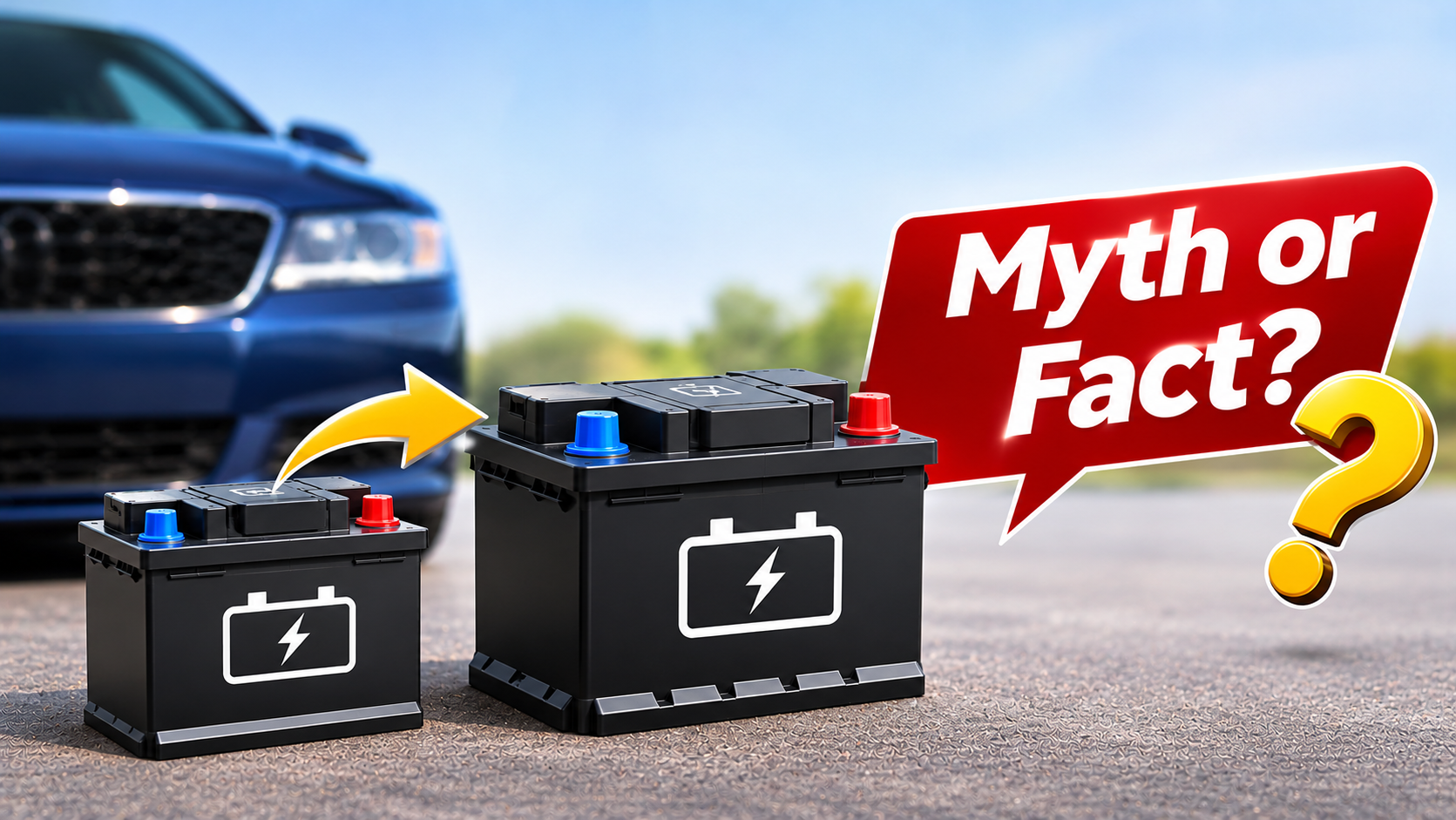
A car's headlights are among the first electrical components drivers check when they suspect a battery problem. If the headlights switch on and illuminate the road, it is easy to assume that the battery is in good condition. However, this assumption is not always correct.
The belief that working headlights automatically mean a healthy car battery is a myth. Headlights can continue to operate even when a battery is weak, partially discharged or approaching the end of its service life. This happens because headlights and the starter motor have very different electrical demands.
A battery may have enough stored energy to power lights, the infotainment system and dashboard electronics but still fail to deliver the high current required to start the engine.
Understanding this difference can help drivers identify battery problems before they experience an unexpected breakdown.
New Car Dealer Negotiation Tips That Actually Work
A car battery supplies electrical energy to several systems, including the headlights, interior lights, horn, infotainment system, dashboard electronics and starter motor.
However, these components do not consume the same amount of power.
Headlights generally require a relatively steady electrical supply. Depending on the vehicle, halogen headlights may consume around 55 watts per bulb, while LED systems often use less power. A battery with reduced capacity may still supply enough electricity to operate them.
The starter motor is different. It requires a very high current for a short period to turn the engine over. Depending on the engine, temperature and vehicle design, the starting current can reach several hundred amperes.
This creates an important difference: a battery can operate low-power electrical accessories while struggling to start the engine.
For example, a car's headlights may appear normal when the engine is switched off, but turning the ignition key may produce clicking sounds or cause the dashboard lights to dim significantly.
This is why checking the headlights alone cannot establish the actual condition of a battery.

A healthy battery must do more than simply supply electricity to accessories. It should also maintain sufficient voltage under load and provide the current required to start the engine.
A battery gradually loses its ability to store and deliver energy as it ages. High temperatures, repeated deep discharges, long periods of inactivity and charging-system problems can accelerate this deterioration.
Even when the battery is partially damaged, some electrical functions may continue to work normally.
Here are some situations in which headlights may work despite battery problems:
Reduced battery capacity: The battery can operate lights but may not have enough reserve energy to start the engine reliably.
Low charge level: A partially discharged battery may still power accessories but struggle during engine starting.
Internal battery deterioration: Ageing battery plates and internal resistance can reduce its ability to deliver high current.
Poor battery connections: Corroded or loose terminals may allow some electrical components to work while causing problems during starting.
Cold weather: Low temperatures reduce battery performance and increase the effort required to start an engine.
Therefore, functioning headlights should not be treated as proof that the battery is healthy.
How to Compare Car Variants: Base vs Mid vs Top Trim
The starter motor is one of the most demanding electrical components in a conventional petrol or diesel car.
When the driver starts the vehicle, the battery must deliver a large amount of current to turn the starter motor. The motor then rotates the engine until combustion begins and the engine runs independently.
This process requires considerably more electrical power than operating headlights.
If the battery has lost capacity or developed high internal resistance, its voltage can drop sharply when the starter motor is activated. The engine may crank slowly, produce repeated clicking sounds or fail to start.
In contrast, headlights draw a much smaller and more consistent current. They may continue working even when the battery cannot handle the starting load.
This explains why a vehicle can have bright headlights but still refuse to start.

Drivers should pay attention to other symptoms instead of relying only on the headlights.
1. Slow Engine Cranking
One of the most common warning signs is slow engine cranking. When the driver turns the ignition key or presses the start button, the engine may turn over more slowly than usual.
This can indicate that the battery is unable to provide sufficient current. However, a faulty starter motor, poor wiring or a charging-system issue can produce similar symptoms.
2. Clicking Sound During Starting
A repeated clicking sound when attempting to start the engine may indicate insufficient electrical power reaching the starter motor.
A single click can also be associated with a faulty starter solenoid or a connection problem. The sound alone does not confirm that the battery is defective.
3. Dashboard Lights Dimming
If the dashboard lights become noticeably dim when the engine is being started, the battery may be experiencing a significant voltage drop.
A small amount of dimming can be normal in some vehicles, but unusually severe dimming deserves attention.
4. Electrical Accessories Behaving Unusually
A weak battery may cause electronic systems to behave inconsistently. Drivers may notice slow power-window operation, infotainment restarts, warning messages or unusual behaviour from other electrical accessories.
These symptoms can also result from wiring faults, alternator problems or electrical-system issues.
5. Repeated Starting Problems
If the vehicle starts normally on some days but struggles on others, the battery may be losing its ability to hold a charge.
However, a parasitic electrical drain, loose connection or charging-system fault could also be responsible.
The most reliable way to assess battery condition is to combine a visual inspection with electrical testing.
A simple headlight check is not sufficient.
Check the Battery Voltage
A digital multimeter can provide an initial indication of battery charge.
For a conventional 12-volt lead-acid battery, a fully charged battery at rest commonly measures around 12.6–12.8 volts. A reading around 12.4 volts indicates partial discharge, while a reading near or below 12.2 volts suggests a significantly discharged battery.
These figures are approximate. Temperature, battery chemistry, recent driving and whether the battery has rested after charging can affect the reading.
Perform a Load Test
A load test checks how well the battery maintains voltage when a significant electrical load is applied.
This is more useful than simply checking its resting voltage because a weak battery can show a seemingly acceptable voltage without being capable of delivering sufficient starting current.
A workshop can perform a battery load test using suitable equipment.
Check Cold Cranking Amps (CCA)
Cold Cranking Amps indicate the battery's ability to deliver starting current under specified low-temperature test conditions.
The correct CCA rating depends on the vehicle manufacturer's requirements. A battery with inadequate starting performance may struggle even if its lights and accessories work.
Inspect Battery Terminals
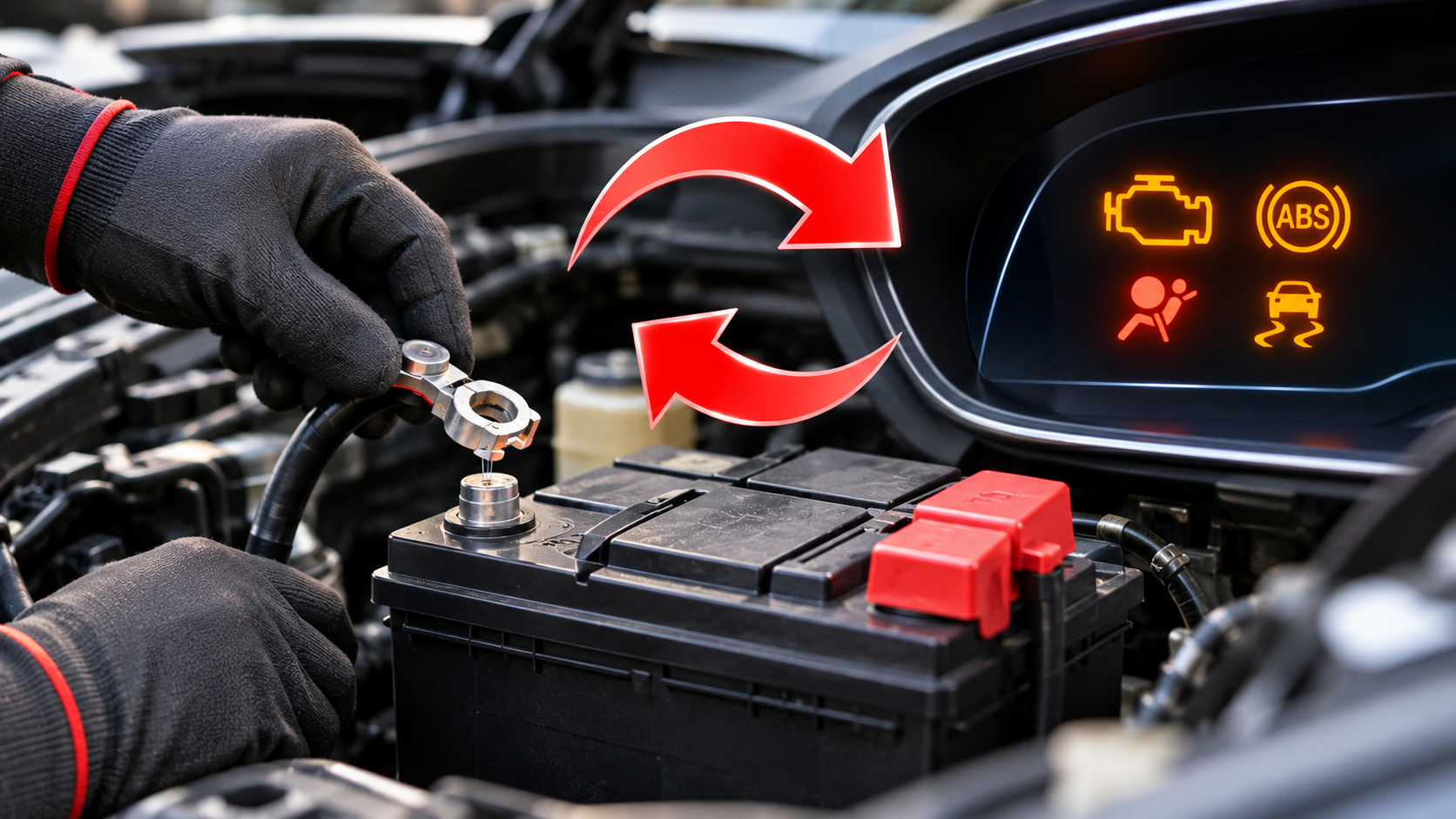
Loose or corroded battery terminals can interrupt the flow of current. Inspect the positive and negative connections for corrosion, looseness or visible damage.
If cleaning or tightening is required, follow the vehicle manufacturer's safety instructions or have a technician do it. Never allow metal tools to bridge the battery terminals.
|
Observation |
Possible Cause |
Recommended Action |
|
Headlights work, but engine does not start |
Weak battery or starter-system fault |
Test battery and starter circuit |
|
Headlights become very dim during starting |
Voltage drop under load |
Perform a battery load test |
|
Repeated clicking sound |
Low battery charge, poor connection or starter fault |
Inspect terminals and test battery |
|
Slow engine cranking |
Weak battery, poor connections or starter issue |
Check battery condition and starting system |
|
Battery repeatedly goes flat |
Charging fault or parasitic drain |
Test alternator and electrical system |
|
Battery warning light stays on |
Possible charging-system problem |
Inspect alternator and charging circuit |
|
Battery case is swollen or damaged |
Possible internal battery failure |
Stop using it and arrange professional inspection |
Yes. Not every battery-related problem is caused by the battery itself.
The alternator is responsible for supplying electrical power while the engine is running and recharging the battery. If it is not working correctly, the battery may gradually lose charge.
A vehicle may start normally after being charged or jump-started but develop problems again because the alternator is not replenishing the battery properly.
Other charging-system issues can include a loose or damaged drive belt, faulty wiring, poor electrical connections or a defective voltage regulator.
A battery warning light on the dashboard should not be ignored. It may indicate a charging-system problem rather than a battery that simply needs replacement.
A professional charging-system test can help identify whether the problem is with the battery, alternator or associated wiring.
Car Loan vs Cash Purchase: Which Makes More Financial Sense?
Yes. Headlights consume electrical energy, and operating them while the engine is switched off can further discharge the battery.
This is particularly important when a battery is already weak or partially discharged.
Leaving headlights switched on for an extended period can reduce the remaining charge and make it difficult to start the engine.
Modern vehicles may have automatic headlight shut-off systems, but drivers should not assume that every vehicle has this feature.
If the engine is not running, avoid unnecessarily operating headlights, cabin lights, infotainment systems and other electrical accessories for long periods.

Proper maintenance can improve battery reliability and reduce the chances of unexpected starting problems.
1. Drive the vehicle regularly: Long periods without use can allow the battery to discharge. Regular driving helps, although short trips may not always replace the energy used during starting.
2. Keep terminals clean: Corrosion and loose connections can affect electrical performance. Inspect the terminals periodically.
3. Check the charging system: If the battery repeatedly loses charge, have the alternator and charging system inspected.
4. Avoid leaving accessories switched on: Headlights, interior lights and infotainment systems can drain the battery when the engine is off.
5. Test older batteries: Battery condition should be checked periodically, especially when the vehicle begins showing slow-cranking symptoms.
6. Use the correct replacement battery: Follow the manufacturer's specifications for battery size, voltage, chemistry and CCA rating. Vehicles with start-stop systems may require EFB or AGM batteries.
7. Watch for physical damage: A swollen, leaking or cracked battery should be inspected by a professional and replaced when necessary.
There is no universal replacement interval for every car battery. Battery life depends on climate, driving habits, charging conditions, vehicle usage and battery quality.
Many conventional car batteries last approximately three to five years, but some may fail earlier or continue working longer.
Instead of replacing a battery based only on its age, drivers should consider its test results and performance.
If a battery repeatedly fails a suitable load or conductance test, cannot hold a charge or shows signs of physical damage, replacement may be necessary.
A professional should also check the charging system before installing a new battery. Otherwise, an unresolved alternator fault or electrical drain could damage the replacement battery as well.










.webp)