
 Khyati Sharma 2026-11-04
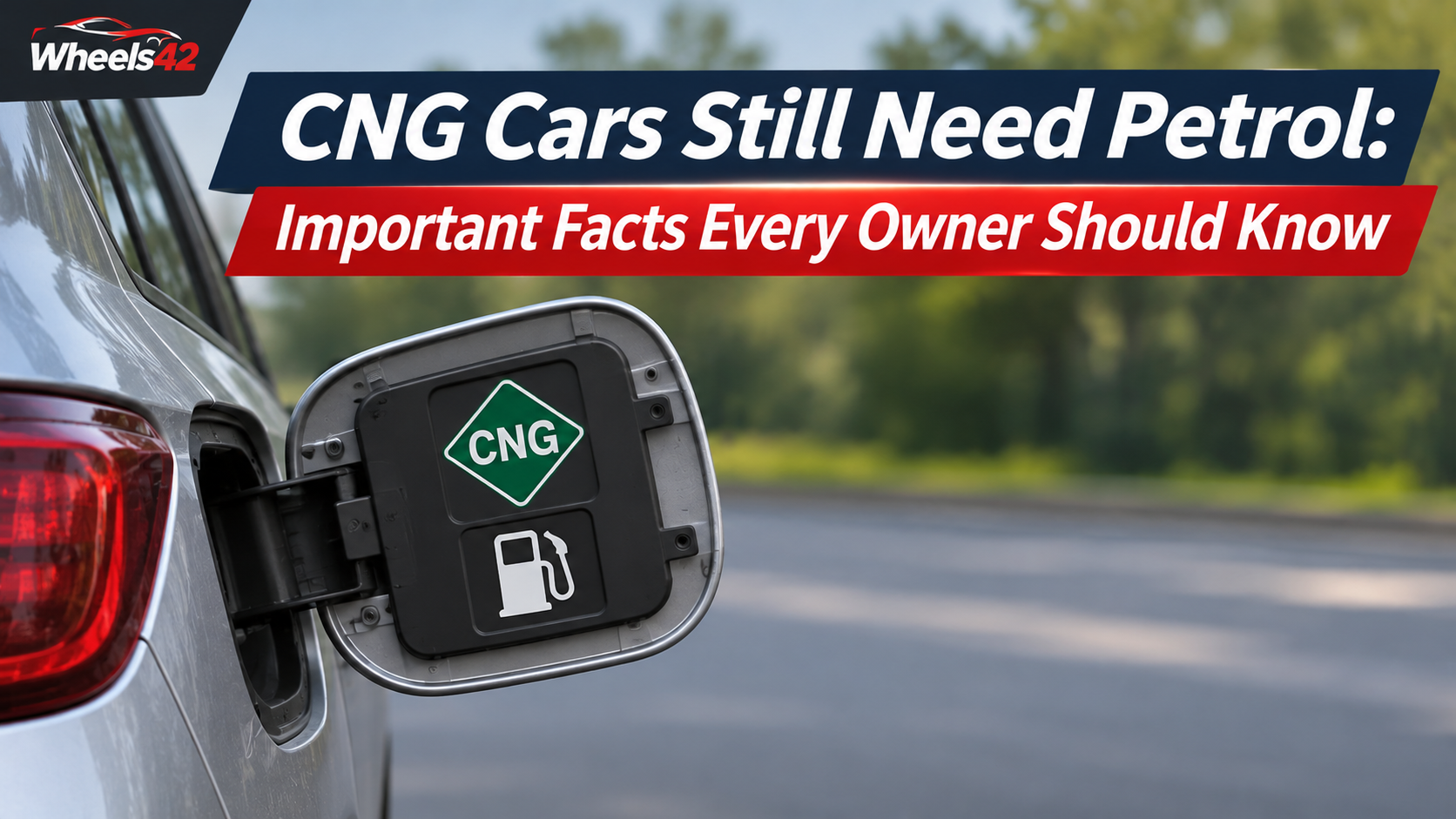
Many car owners believe that once they purchase a CNG vehicle, they can completely forget about petrol. However, most factory-fitted CNG cars in India are designed with dual-fuel systems, and petrol continues to play an important role in starting, operating and maintaining the vehicle.
CNG has become a popular alternative to petrol in India because of its comparatively lower running costs. With more manufacturers introducing factory-fitted CNG variants, buyers can now choose economical versions of hatchbacks, sedans and SUVs without depending entirely on aftermarket conversions.
However, a common misunderstanding among CNG car owners is that petrol is no longer necessary once the vehicle starts running on compressed natural gas. Some drivers even allow the petrol tank to remain almost empty because they believe the CNG cylinder is the only fuel supply they need.
This assumption can create problems. Many factory-fitted CNG cars are equipped with petrol and CNG systems, allowing the engine to operate using either fuel. Depending on the manufacturer's design, the vehicle may start on petrol and automatically switch to CNG after reaching the required operating conditions.
Petrol can also provide an alternative when the CNG cylinder becomes empty or the gas system develops a problem. Therefore, keeping some petrol in the tank is an important part of responsible CNG vehicle ownership.
Petrol vs Diesel vs CNG vs Electric Cars: How to Choose the Right Fuel Type
Myth: Once a car is fitted with a CNG system, there is no need to maintain petrol in its tank.
Fact: Most factory-fitted CNG passenger cars in India are bi-fuel vehicles. They retain a petrol tank and fuel system alongside the CNG cylinder. Depending on the model, petrol may be required for starting, automatic fuel changeover and emergency operation.
The exact starting procedure is not identical across all CNG vehicles. Some models automatically start using petrol before switching to CNG, while certain systems offer a special forced-CNG starting mode for limited situations.
For example, Mahindra's XUV 3XO CNG owner's manual describes an automatic mode in which the vehicle starts on petrol and changes to CNG after a few seconds. It also explains a forced-CNG mode with specific operating limitations. Maruti Suzuki's CNG documentation similarly recommends maintaining sufficient petrol in the tank.
This means that CNG does not automatically replace every function of the petrol system. Both fuel systems can have important roles in the vehicle's operation.
Most factory-fitted CNG cars sold in India are designed as bi-fuel vehicles. This means they can operate using petrol or compressed natural gas.
The vehicle has a conventional petrol fuel system along with a separate CNG storage and delivery system. The driver can select the available fuel mode using a switch or the vehicle's electronic controls, depending on the model.
The petrol tank is not simply an unused component added to the vehicle. It provides an alternative source of fuel and may be necessary for the engine's starting process.
Manufacturers design their fuel systems according to engine requirements, temperature conditions and emissions strategies. Some vehicles start on petrol and switch to CNG after a short period, while others may allow different starting modes under specified conditions.
The petrol system also gives the driver flexibility. If the CNG cylinder becomes empty, the vehicle may automatically change over to petrol, depending on its design and operating conditions.
Therefore, a CNG car should not be treated as a petrol-free vehicle unless its manufacturer specifically states otherwise.

One of the most important reasons to maintain petrol is the engine-starting procedure.
Several factory-fitted CNG cars start on petrol and automatically change over to CNG after the engine reaches the required operating conditions. This process can depend on factors such as engine temperature and the vehicle's programmed fuel-management system.
Starting on petrol helps the vehicle follow the manufacturer's intended operating strategy. Once the necessary conditions are met, the system changes to CNG.
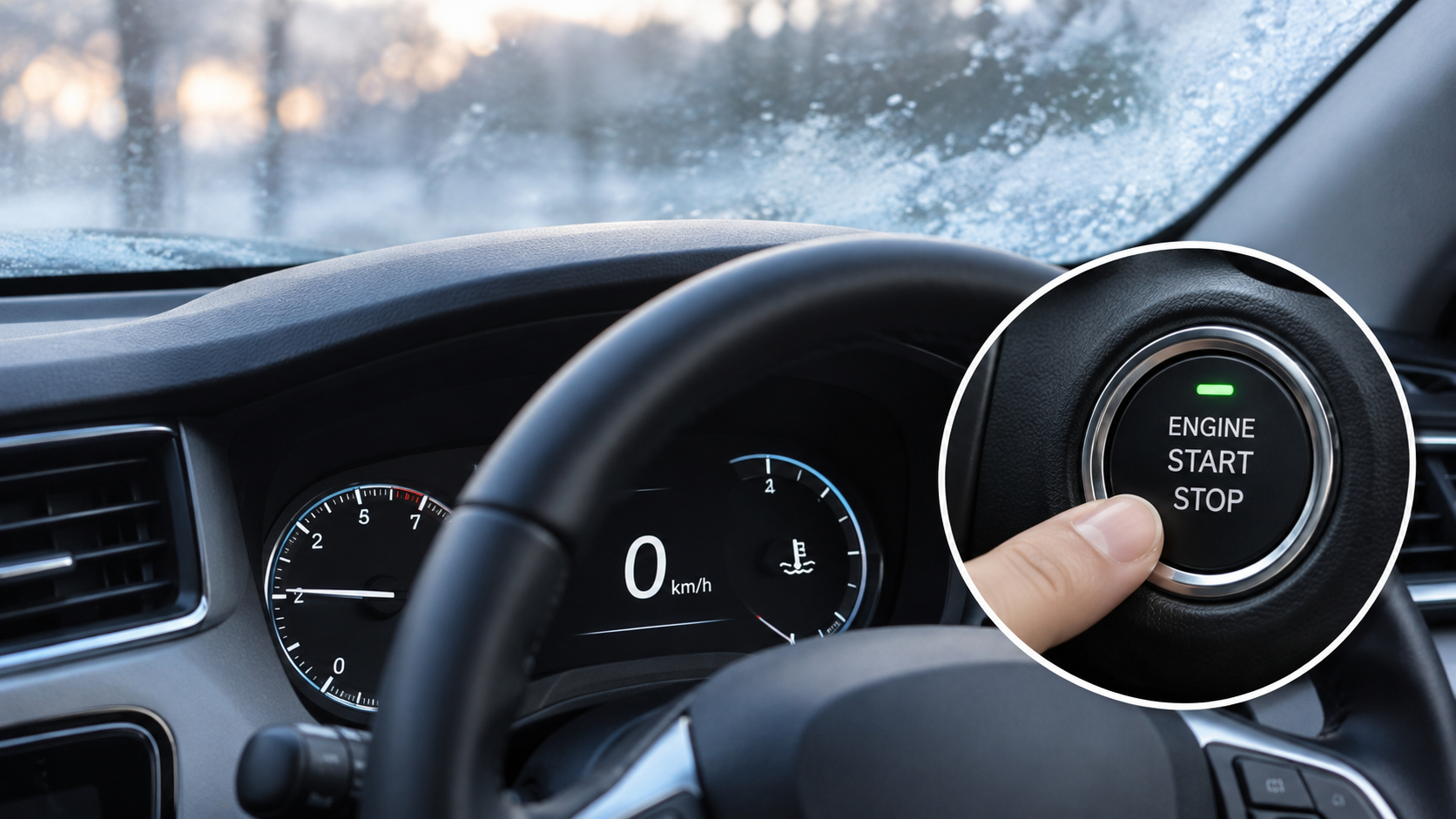
This behaviour can be particularly relevant during cold weather. Engine temperature can affect the starting and fuel-changeover process, and some vehicles may continue using petrol for longer when temperatures are low.
However, not every CNG car follows exactly the same procedure. Some models provide a forced-CNG mode for situations where petrol is unavailable. Such modes may have restrictions and should not be treated as a replacement for normal operation.
Owners should always consult their vehicle's owner's manual to understand the correct starting procedure.
Pre-Delivery Inspection (PDI): A Checklist Before You Take Delivery
Another important reason to keep petrol in the tank is to avoid being stranded when CNG runs out.
Unlike petrol stations, CNG stations may not be available everywhere. Drivers travelling between cities, through rural areas or along less-developed highway routes may encounter long distances between refuelling points.
If the CNG cylinder becomes empty, a compatible bi-fuel vehicle can use petrol as an alternative. Depending on the vehicle, the fuel system may automatically change over to petrol or require the driver to select petrol mode.
This provides additional flexibility during long journeys.
Imagine driving on a highway where the next CNG station is considerably far away. If the cylinder becomes empty, having petrol available can help you continue towards the next refuelling point.
Without petrol, you may have to arrange roadside assistance or find another way to reach a fuel station.
For this reason, petrol should be treated as a backup fuel rather than something that can be completely ignored.
The petrol system in a bi-fuel vehicle remains an important part of the overall engine arrangement.
Petrol-powered components include the fuel tank, fuel pump, fuel lines, injectors and associated controls. Depending on the vehicle's design, these components may not operate continuously while the car is running on CNG.
Allowing petrol to remain unused for extended periods can create maintenance concerns. Fuel quality can deteriorate during prolonged storage, and an owner who never operates the vehicle on petrol may overlook problems in the petrol delivery system.
Some manufacturers recommend periodically operating their CNG vehicles on petrol. The recommended frequency and distance can differ between models, so owners should follow the instructions in their vehicle handbook rather than applying a universal rule.
Running the vehicle on petrol when recommended also gives the driver an opportunity to check whether the petrol system is functioning correctly.
Driving a CNG vehicle with an empty petrol tank can cause inconvenience and may prevent the vehicle from operating as intended.
If the car normally starts on petrol before switching to CNG, it may fail to follow its usual starting procedure. Some models provide an emergency or forced-CNG mode, but this feature may be restricted to specific conditions or a limited number of starts.
For example, the Mahindra XUV 3XO CNG owner's manual describes forced-CNG operation with limitations and explains that the vehicle may need to be restarted using petrol to exit its restricted operating condition.
Other vehicles may have different procedures. An owner should never assume that an emergency starting feature will work in every situation.
An empty petrol tank can also leave the driver without a backup fuel source when the CNG cylinder becomes empty.
Maintaining a suitable petrol level is therefore a simple way to avoid unnecessary inconvenience.

There is no single petrol quantity that applies to every CNG vehicle. The recommended minimum depends on the vehicle manufacturer's instructions, fuel-system design and tank arrangement.
Owners should check the owner's manual for the recommended minimum fuel level. Some manufacturers specify a minimum quantity, while others simply advise maintaining sufficient petrol at all times.
It is sensible to refill the petrol tank before it reaches a very low level rather than waiting for the low-fuel warning to appear.
Drivers should also avoid keeping the same small quantity of petrol in the tank for extremely long periods. Using fresh petrol periodically, according to the manufacturer's recommendations, helps avoid problems associated with prolonged fuel storage.
Remember that the purpose of maintaining petrol is not to increase everyday running costs unnecessarily. It is to ensure that the vehicle's original fuel system remains available when needed.
How to Get the Best Discount on a New Car in India
Many bi-fuel CNG cars have an automatic changeover function. When the CNG supply becomes insufficient or the system detects certain operating conditions, the vehicle may switch to petrol.
The exact behaviour depends on the manufacturer and model.
Some vehicles display a warning when the CNG level becomes low. Others may provide an audible alert or an indicator on the instrument cluster. Once the CNG supply is exhausted, the system may change over to petrol automatically.
However, automatic changeover should not be considered guaranteed in every situation. A malfunctioning fuel system, insufficient petrol or an electronic fault could affect the process.
Drivers should understand the fuel-mode indicators and warnings in their particular vehicle. If the car does not change fuel modes correctly, it should be inspected at an authorised service centre.
Maintaining a CNG vehicle involves more than refilling its gas cylinder. The petrol and CNG systems both require attention.
The petrol system should be inspected according to the manufacturer's service schedule. Fuel-related warnings, starting difficulties and unusual engine behaviour should not be ignored.
The CNG system also requires periodic inspection of its cylinder, valves, pressure regulator, fuel lines and other components. Owners should use authorised service facilities and approved replacement parts.
CNG cylinder inspection and testing must be completed according to the applicable requirements. Drivers should also follow the manufacturer's instructions regarding refuelling, fuel-mode selection and emergency procedures.
If the vehicle smells of gas or shows signs of a leak, stop in a safe location, switch off the engine, avoid ignition sources and contact an authorised service facility. Do not attempt to open or repair high-pressure CNG components yourself.
New Car vs Used Car: Which One Should You Buy?
One common mistake is allowing the petrol tank to remain empty because the car is usually driven on CNG. This removes an important backup fuel source and may interfere with the normal starting procedure.
Another mistake is ignoring the vehicle's low-petrol warning. Even if the CNG cylinder is full, the petrol system may still be needed depending on the manufacturer's operating strategy.
Some drivers also assume that every CNG car can start directly on gas. This is not true for every model. Emergency starting modes, where available, may have restrictions.
Owners should also avoid following generic maintenance advice without checking their own vehicle's handbook. A starting procedure or petrol-use recommendation applicable to one manufacturer's model may not apply to another.
The best approach is to understand the specific fuel-system design of your vehicle and follow the manufacturer's recommended maintenance schedule.
The need for petrol is not limited to factory-fitted CNG vehicles. Many aftermarket CNG conversions also retain the original petrol fuel system, allowing the vehicle to operate using either fuel.
The Petroleum Planning and Analysis Cell explains that converted petrol vehicles can retain the flexibility to operate on petrol or CNG. Similarly, IndianOil describes factory-fitted and modified vehicles as examples of bi-fuel CNG applications.
However, the exact starting procedure, changeover behaviour and petrol-use recommendations depend on the installed system and vehicle compatibility.
Aftermarket conversion owners should follow the instructions supplied by the kit manufacturer and installation centre, along with the vehicle manufacturer's applicable guidance.
|
Situation |
Role of Petrol |
What Owners Should Do |
|
Normal engine starting |
May be required before switching to CNG |
Follow the manufacturer's starting procedure |
|
Cold-weather starting |
Some models may use petrol until operating conditions are reached |
Maintain sufficient petrol in the tank |
|
Regular CNG driving |
May not be used continuously, depending on the system |
Follow recommended petrol-use intervals |
|
CNG cylinder empty |
Provides an alternative fuel source |
Switch to petrol or follow automatic changeover instructions |
|
CNG system malfunction |
May provide an alternative if the vehicle permits petrol operation |
Get the CNG system inspected |
|
Emergency CNG starting |
Some models offer a restricted forced-CNG mode |
Use only as described in the owner's manual |
|
Long-term parking |
Petrol remains part of the vehicle's fuel system |
Follow the manufacturer's fuel-storage guidance |
CNG owners can avoid many fuel-related problems by following a few simple practices. First, maintain the petrol level recommended in the owner's manual. Do not wait until the tank becomes completely empty before refilling it.
Second, understand how the vehicle switches between petrol and CNG. Check the instrument-cluster indicators and learn what the warning lights mean.
Third, operate the vehicle on petrol periodically if the manufacturer recommends doing so. This helps keep the petrol system in use and allows owners to identify potential problems.
Fourth, do not rely on forced-CNG starting as a regular operating method. Such a feature may be designed only for limited emergency situations.
Finally, keep the vehicle's service records updated and have both fuel systems inspected according to the prescribed schedule.

The belief that a CNG vehicle never needs petrol in its tank is incorrect. Most factory-fitted CNG passenger cars in India are bi-fuel vehicles designed to operate using both petrol and compressed natural gas.
Petrol may be required for starting, automatic fuel changeover, backup operation and maintaining the availability of the original fuel system. Even when a vehicle spends most of its time running on CNG, the petrol tank should not be ignored.
The exact petrol requirement varies by manufacturer and model. Some vehicles offer special forced-CNG starting modes, but these may have operating restrictions and are not a substitute for following the normal procedure.
CNG can reduce everyday fuel expenses, but economical ownership also means maintaining the vehicle correctly. Keep sufficient petrol in the tank, follow the owner's manual and service both fuel systems as recommended.














Audi
₹63.75 - 83.33 Lakh