
 Khyati Sharma 2026-11-08
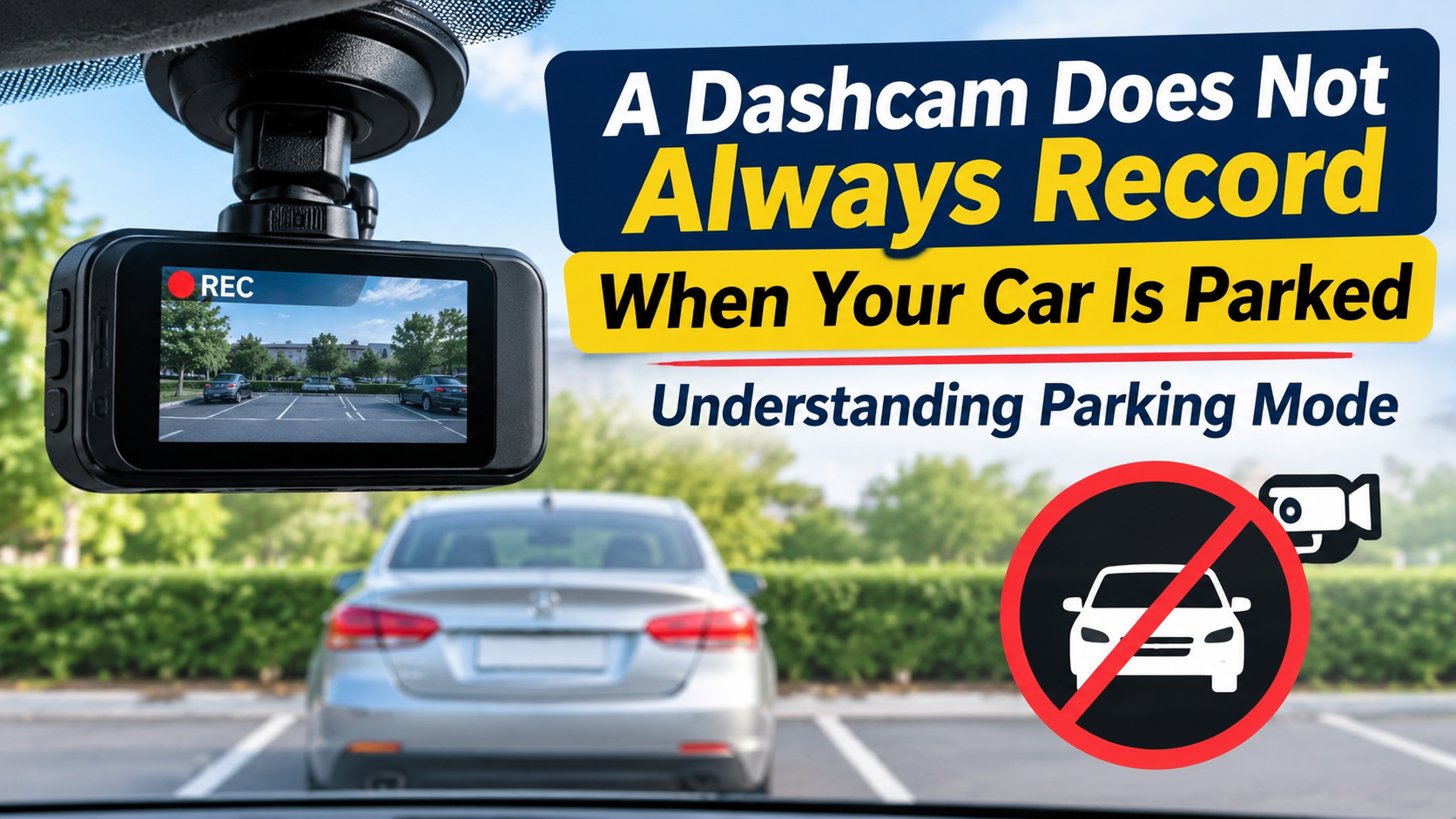
A dashcam is an increasingly popular car accessory, helping drivers record their journeys and capture unexpected incidents on the road. However, many car owners believe that a dashcam continues recording even after the vehicle is switched off and parked. This is not always true. Whether a dashcam records while parked depends on its features, power supply, settings and installation.
Dashcams have become an important accessory for modern vehicles. They provide video evidence in case of road accidents, disputes, theft attempts and other unexpected incidents. Many drivers install dashcams to improve their safety and protect themselves against false insurance claims.
One common misconception about dashcams is that they automatically record continuously, even when the car is parked and the engine is switched off. In reality, most standard dashcams stop recording when their power supply is disconnected. Only models with dedicated parking surveillance features or an independent power source can monitor the vehicle after it is switched off.
How Car Loan Interest Actually Works: EMI Basics Explained
The answer depends on the type of dashcam and its power connection.
Most basic dashcams receive electricity through the vehicle's 12V socket or USB charging port. In many vehicles, these power outlets stop supplying electricity when the ignition is switched off. As a result, the dashcam also shuts down when the vehicle is parked.
However, some cars continue supplying power to their accessory sockets even after the ignition is turned off. In such vehicles, a connected dashcam may continue recording until the power supply is interrupted or the vehicle's battery protection system disconnects it.
Advanced dashcams offer a feature called Parking Mode. This feature allows the camera to monitor the surroundings while the vehicle is stationary. Depending on the model, it can record continuously, capture motion or detect physical impacts.
Therefore, a dashcam should not be assumed to record every moment when a car is parked.
Parking Mode is a special feature designed to monitor a vehicle when the engine is switched off. It allows the dashcam to remain active and capture incidents that happen while the owner is away.
For example, if another vehicle hits a parked car, a parking-mode dashcam may automatically save footage of the incident. Similarly, it may capture suspicious movement around the vehicle, depending on its detection capabilities.
There are several types of parking modes available.
1. Continuous Parking Recording
Some advanced dashcams can record continuously even when the vehicle is parked. They maintain video recording until their power supply is disconnected or the battery protection system activates.
This option provides more complete coverage but consumes more electricity than other parking modes.
2. Motion Detection Recording
Motion detection allows the dashcam to start recording when movement is detected around the vehicle.
For example, if someone walks close to the car or another vehicle approaches, the camera may activate and save a recording.
However, the effectiveness of this feature depends on the camera's sensor, sensitivity settings and surroundings.
3. Impact Detection Recording
Impact detection uses a built-in G-sensor to identify sudden movements or physical impacts.
If someone hits the parked vehicle, the dashcam can automatically save the relevant footage. This is particularly useful for capturing minor parking accidents and hit-and-run incidents.
4. Time-Lapse Parking Recording
Some dashcams offer time-lapse recording, which captures images at fixed intervals and combines them into a video.
This reduces storage requirements and power consumption compared with normal continuous recording.

A dashcam needs an uninterrupted power supply to operate in parking mode. There are several ways to provide electricity after the ignition is switched off.
Hardwiring Kit: A hardwiring kit connects the dashcam directly to the vehicle's electrical system. It generally uses a permanent battery connection and an ignition-controlled connection to determine when the vehicle is parked.
Dedicated Dashcam Battery Pack: Some owners install an external battery pack specifically designed for dashcams. It stores electricity while the vehicle is running and supplies power to the camera when the engine is switched off.
Always-On 12V Socket: Certain vehicles provide continuous power through their accessory sockets. A dashcam connected to such a socket may continue operating after the vehicle is parked, provided the outlet remains powered.
The most suitable option depends on the vehicle, dashcam model and expected parking surveillance duration.
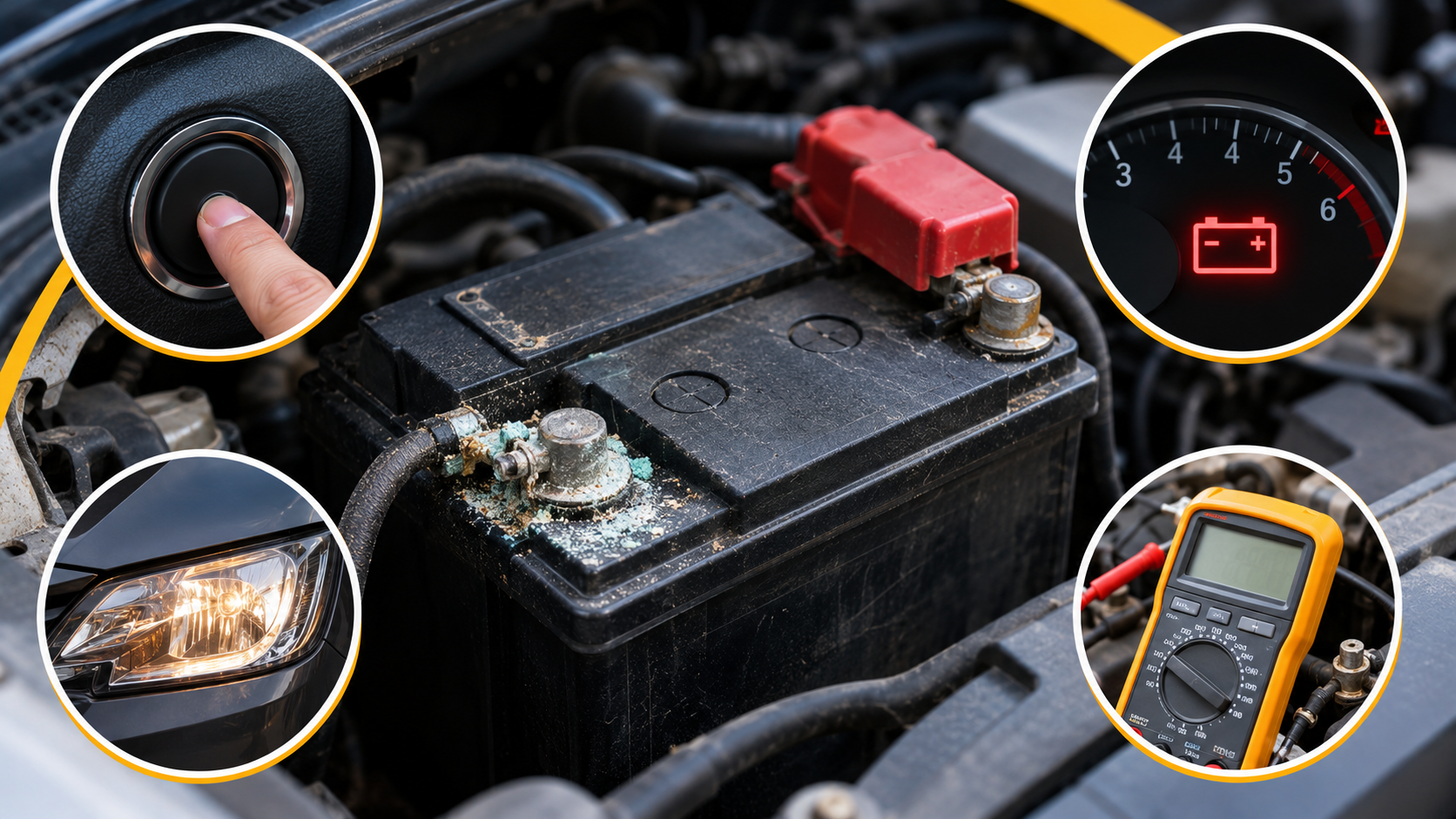
Yes, a dashcam operating in parking mode can drain the vehicle's battery if it continuously draws electricity without proper protection.
A car battery is primarily designed to start the engine and support the vehicle's electrical systems. When a dashcam continues recording for several hours, it consumes additional power.
The amount of electricity used depends on several factors, including:
Dashcam model and power consumption.
Whether continuous or motion-based recording is enabled.
Number of cameras connected.
Battery condition and capacity.
Duration of parking surveillance.
Ambient temperature.
Many hardwiring kits include a low-voltage protection feature. It automatically cuts power to the dashcam when the vehicle battery reaches a preset voltage level.
This helps preserve enough battery power to start the vehicle. However, users should select compatible equipment and follow the manufacturer's recommended settings.
How to Choose Between Two Similar Car Models: A Decision Framework
No. Parking surveillance is not a standard feature across all dashcams.
Entry-level models generally focus on recording while driving. They may switch off automatically when the vehicle's power supply is disconnected.
Mid-range and premium dashcams may offer motion detection, impact detection, time-lapse recording and dedicated parking modes.
Before purchasing a dashcam, buyers should check whether the product supports parking surveillance and whether additional accessories are required.
Some manufacturers also require a separate hardwiring kit or battery pack to activate this feature.

Car owners should consider a few important factors before relying on a dashcam for parked-vehicle surveillance.
Power Compatibility: Check whether the dashcam supports the vehicle's electrical system and whether a hardwiring kit is required.
Battery Protection: Choose a power solution with low-voltage protection to reduce the risk of draining the vehicle battery.
Storage Capacity: Parking recordings can consume considerable storage space. A high-endurance microSD card with sufficient capacity is recommended if supported by the manufacturer.
Camera Coverage: A front-facing dashcam may not capture incidents occurring behind the vehicle. A dual-channel or multi-channel system can provide wider coverage.
Temperature Resistance: Vehicles parked outdoors can experience high cabin temperatures. Choose a dashcam designed to operate within the temperature range specified by its manufacturer.
Recording Settings: Understand whether the selected parking mode uses continuous recording, motion detection, impact detection or time-lapse recording.
|
Recording Mode |
How It Works |
Power Requirement |
Main Benefit |
|
Normal Recording |
Records while the vehicle is powered on |
Vehicle power supply |
Captures driving footage |
|
Continuous Parking Mode |
Records continuously when parked |
Hardwiring kit or compatible power source |
Provides wider parking coverage |
|
Motion Detection |
Records when movement is detected |
Parking-mode power supply |
Saves storage and energy |
|
Impact Detection |
Saves footage after detecting an impact |
Parking-mode power supply |
Helps capture parking accidents |
|
Time-Lapse Mode |
Records at fixed intervals |
Parking-mode power supply |
Reduces storage consumption |
Parking Mode can be a useful feature, particularly for people who regularly park their vehicles in public places, crowded residential areas or open parking spaces.
It can help record incidents such as:
Minor collisions involving parked vehicles.
Hit-and-run incidents.
Suspicious activity around the vehicle.
Accidental damage caused by other motorists.
Attempts to interfere with the parked vehicle.
However, parking mode does not guarantee that every incident will be recorded. Camera positioning, lighting conditions, detection sensitivity, power availability and storage capacity can affect the results.
Drivers should also understand that dashcam footage is not a substitute for comprehensive vehicle insurance or other security measures.
Does ABS Always Reduce Stopping Distance on Every Surface?
There are several misconceptions surrounding dashcam operation.
Myth 1: Every dashcam records continuously after the engine is switched off.
Fact: Most basic dashcams stop recording when their power supply is disconnected. Parking mode and a suitable power source are generally required.
Myth 2: Parking Mode never affects the car battery.
Fact: Parking surveillance consumes electricity. Without proper battery protection, extended operation can reduce the battery charge.
Myth 3: Motion detection captures every incident.
Fact: Motion detection depends on sensor sensitivity and camera capabilities. Some events may not trigger recording.
Myth 4: A larger memory card guarantees longer recording.
Fact: Storage capacity helps, but recording resolution, video quality, recording duration and loop-recording settings also determine how much footage can be retained.
A dashcam does not automatically record continuously when a car is parked. Its operation depends on the camera's features, power connection and recording settings.
Basic dashcams generally stop working when the vehicle's power supply is switched off. Models equipped with Parking Mode can continue monitoring the surroundings through a hardwiring kit, an always-on power outlet or a dedicated battery pack.
For car owners who want additional protection against parking accidents and unexpected damage, choosing a dashcam with reliable parking surveillance and battery protection can be worthwhile. Before installation, it is important to check compatibility, power requirements and recording capabilities.









Volkswagen
₹46.99 - 54.26 Lakh

Volkswagen
₹10.71 - 20.61 Lakh