
 Khyati Sharma 2026-11-14
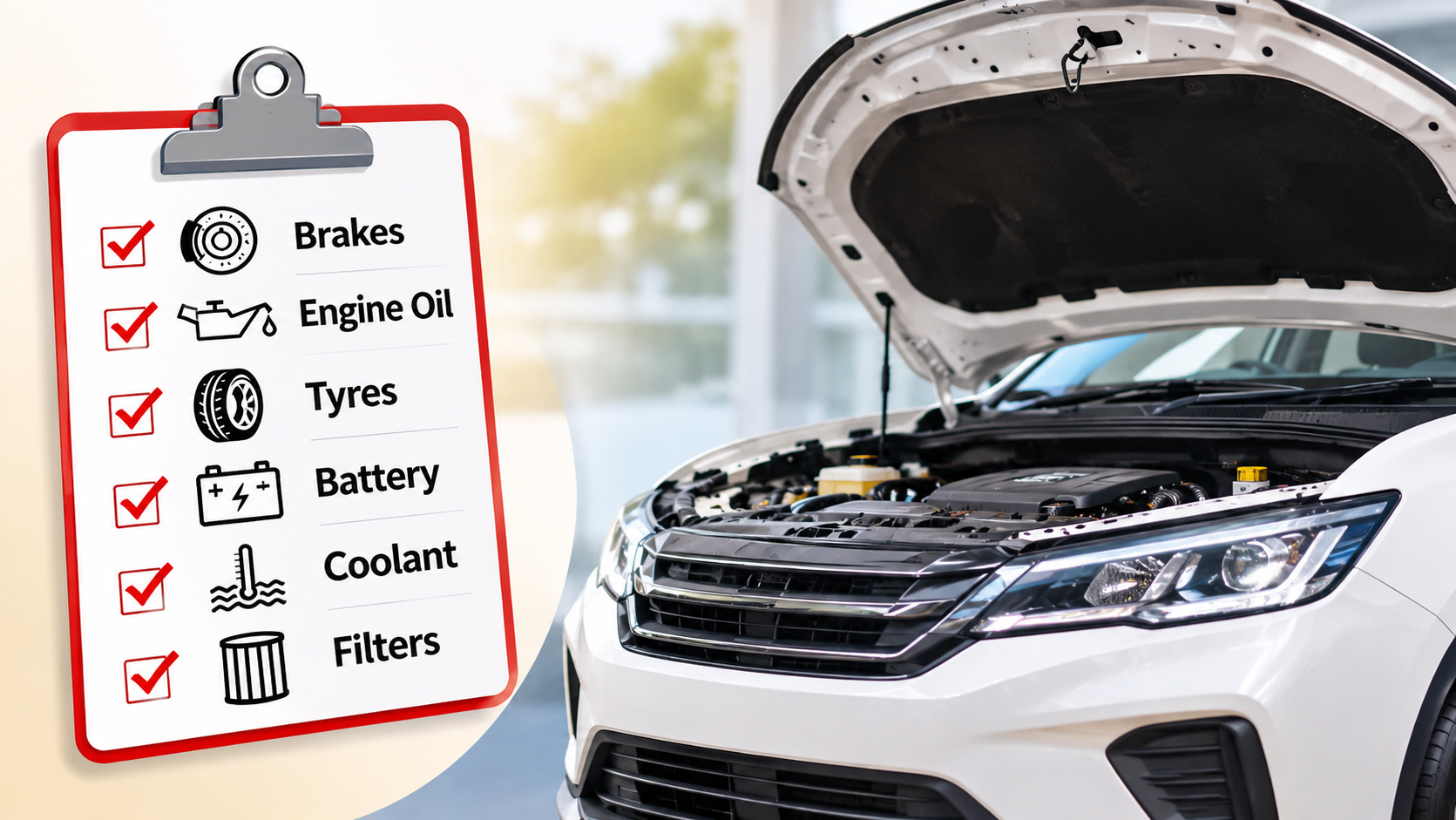
Buying a used car can be a smart way to save money, but the real ownership experience begins after the purchase. Even if the vehicle looks clean, drives smoothly and comes with a convincing service history, it is important to arrange an initial inspection and service. This helps you understand the car's actual condition and identify maintenance work that may have been missed by the previous owner.
However, one common mistake made by used-car buyers is replacing every fluid, filter and component immediately without checking whether the work is actually required. This can increase the initial ownership cost without providing any meaningful benefit.
The smarter approach is to use the available service records, odometer readings and a professional inspection to separate urgent repairs from routine maintenance that can wait.
Should You Buy a New or Used Car in India? Compare the Real Cost of Ownership
Before visiting a workshop, collect every maintenance document available with the car. These may include the original service booklet, authorised service centre invoices, independent garage bills, repair receipts and digital service records.
Do not depend only on the seller's statement that the car has been serviced regularly. Written records provide a much clearer picture of what was actually done.
Check the following details:
Date of each previous service
Odometer reading recorded during every visit
Engine oil and oil filter replacement history
Air filter and cabin filter replacement
Brake pad and brake fluid maintenance
Coolant replacement history
Battery replacement date
Tyre replacement and alignment records
Major repairs involving the engine, gearbox or suspension
Pay particular attention to gaps between service visits. For example, if a car has covered substantial kilometres between two recorded services, find out whether the recommended maintenance was completed during that period.
Compare the recorded odometer readings with the current dashboard reading. Inconsistent readings or unexplained gaps should be investigated.
If the vehicle was maintained at an authorised workshop, ask whether its digital service history can be checked using the vehicle identification number or chassis number, with the required owner authorisation.
A missing service booklet does not automatically mean the car is poorly maintained. However, it means you should rely more heavily on invoices, workshop inspections and the manufacturer's maintenance schedule.
The braking system should be among the first areas inspected after purchasing a used car. It directly affects road safety, and worn components may not always produce obvious symptoms during a short test drive.
Ask the mechanic to inspect the front and rear brake pads, brake discs or drums, callipers, brake hoses and parking brake mechanism.
The brake pads should be checked for remaining thickness, uneven wear and signs of damage. Brake discs should be inspected for deep grooves, excessive wear, cracks or abnormal surface conditions.
Brake fluid also deserves attention. Check its condition and replacement history, and follow the manufacturer's recommended replacement interval. If the service records do not establish when it was last replaced, ask the workshop to test it and recommend the appropriate action.
Do not delay inspection if you notice:
A soft or unusually hard brake pedal
Grinding or squealing noises
Steering vibration while braking
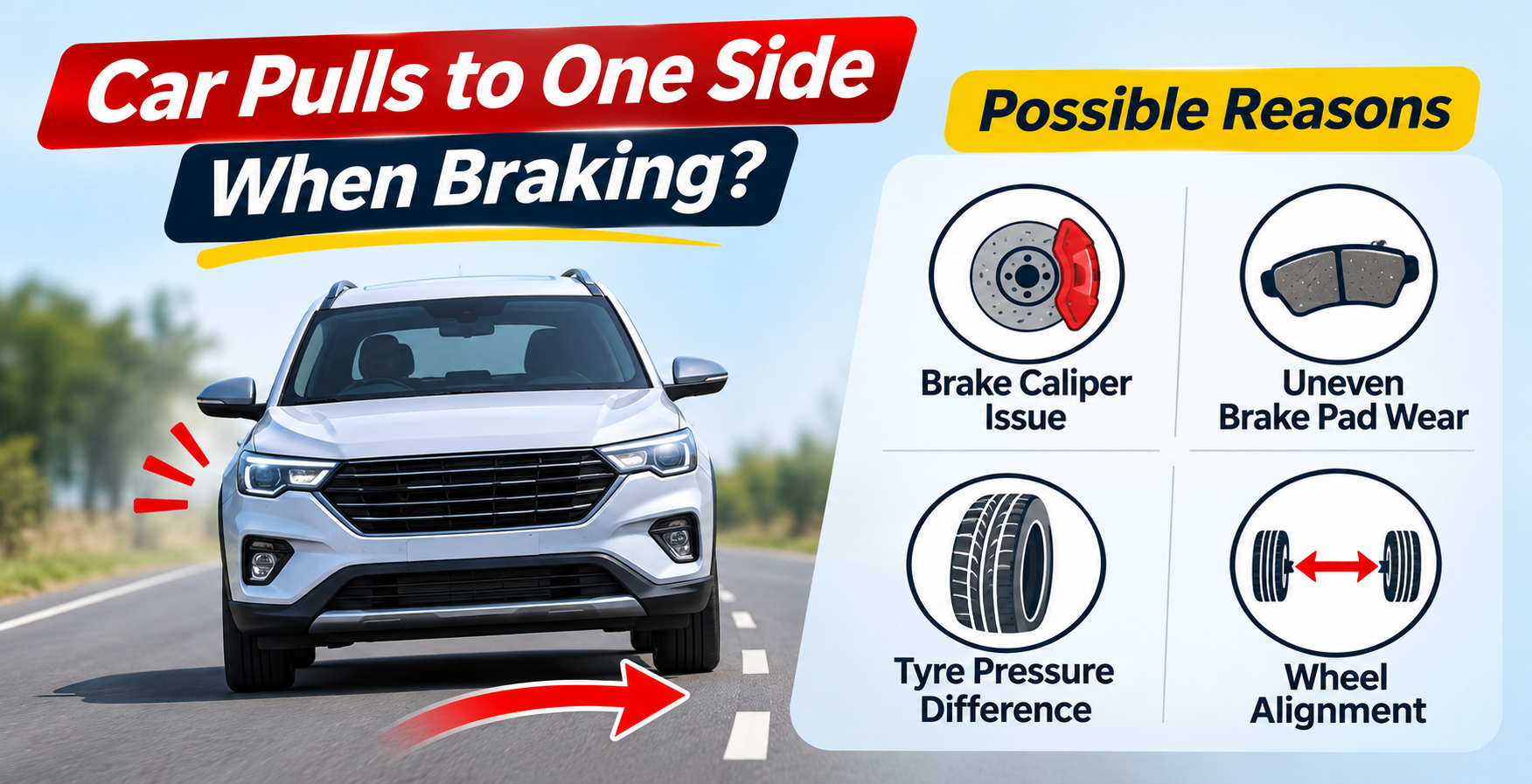
The vehicle pulling to one side
A brake warning light
Visible brake fluid leakage
Any suspected braking fault should be addressed before normal driving continues. Avoid replacing brake components simply because the car is second-hand; let the inspection determine what is necessary.

Engine oil is one of the most important maintenance items to review during the first service.
Check the previous oil replacement date, the odometer reading at that time and whether the correct oil specification was used. Engine oil gradually loses its effectiveness depending on usage, operating conditions and time.
If the oil replacement is overdue, or there is no reliable record of when it was last changed, replacing the engine oil and oil filter is a sensible starting point.
Always use the viscosity and specification recommended by the vehicle manufacturer. Choosing oil simply because it is more expensive or has a higher viscosity can be unsuitable for certain engines.
The mechanic should also inspect the engine for oil leaks around the sump, valve cover, filter housing and other accessible areas.
The air filter should be checked for dust accumulation, damage and restricted airflow. A dirty filter may affect engine performance and fuel efficiency, particularly if the vehicle has been driven regularly in dusty conditions.
The cabin air filter should also be inspected. Replacing it may improve airflow through the air-conditioning system and reduce dust entering the cabin.
However, filters should be replaced based on their condition and maintenance schedule rather than automatically changing every filter without inspection.
Tyres are another important priority because their condition affects braking, steering, stability and overall driving comfort.
Start by checking the tread depth and looking for cuts, cracks, bulges or uneven wear. Also inspect the sidewalls for damage and verify the tyre manufacturing date.
A tyre may have sufficient tread but still be unsuitable for use if its rubber has deteriorated or the sidewall is damaged.
Check the pressure in all four tyres and the spare wheel, where provided. Use the recommended cold tyre pressure displayed on the driver's door label or mentioned in the owner's manual.
Uneven tyre wear can also indicate alignment problems, incorrect pressure or suspension-related issues.
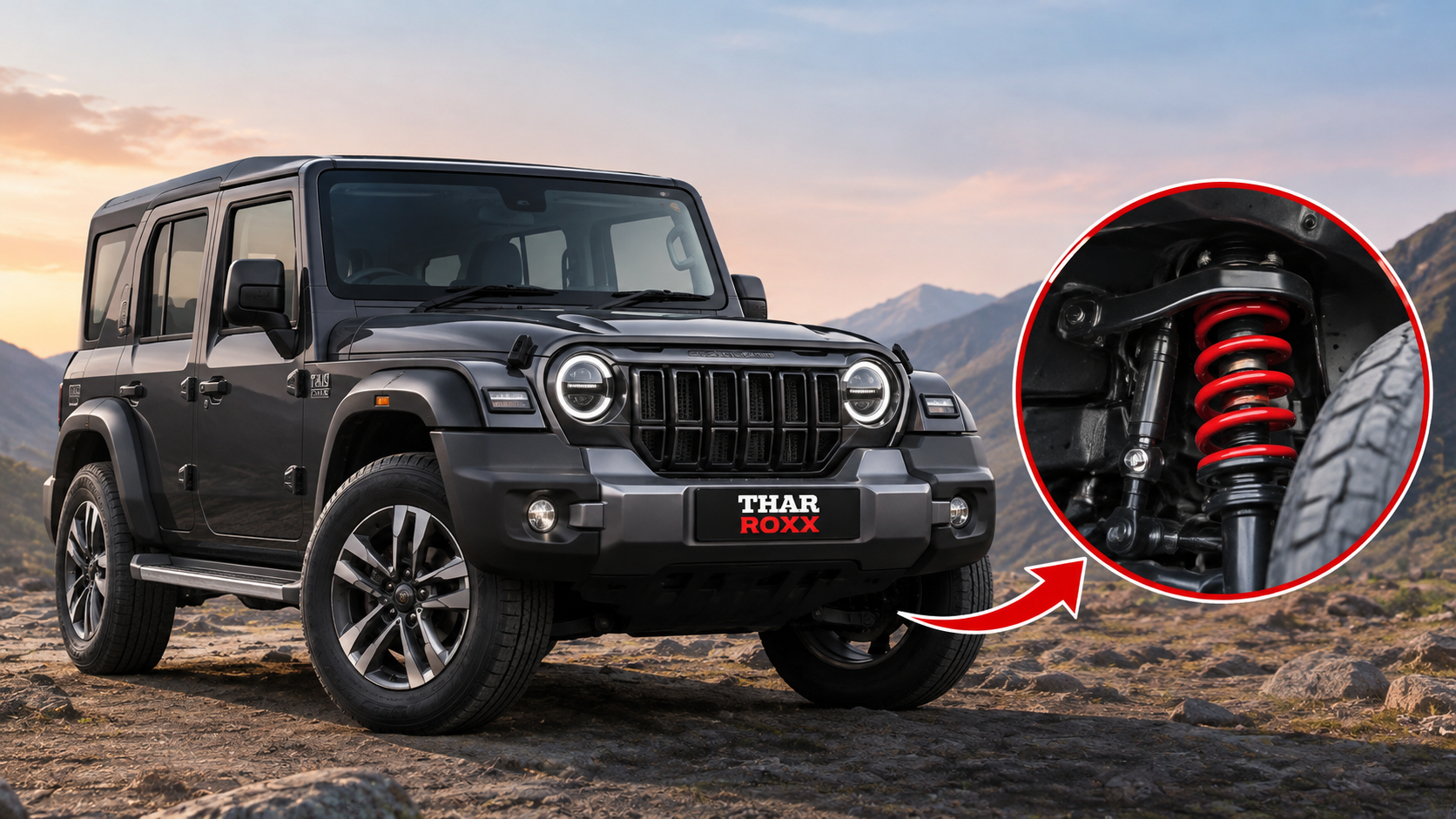
Ask the mechanic to inspect the suspension components, including shock absorbers, springs, control arms, bushes, ball joints and stabiliser links.
Pay attention to knocking sounds over bumps, excessive body movement, steering vibration and the vehicle pulling to one side.
Wheel alignment and balancing should be carried out when inspection findings or driving symptoms indicate a need. They are not necessarily compulsory replacements or services simply because the car has changed owners.
How to Compare Car Variants: Base vs Mid vs Top Trim
The cooling system should be inspected to reduce the risk of overheating and expensive engine damage.
Check the coolant level in the reservoir, look for visible leaks and inspect accessible hoses for cracks, swelling or loose connections. The radiator and cooling fan should also be checked for proper operation.
If the coolant replacement history is missing, ask the workshop to check its condition and compare it with the manufacturer's recommended replacement interval.
Never open a radiator cap or pressurised cooling-system cap while the engine is hot.
Other important fluids include:
Brake fluid: Check the condition, level and replacement history.
Transmission fluid: Follow the specific inspection procedure and replacement schedule for the gearbox.
Power steering fluid: Check the level and leaks if the vehicle uses a hydraulic system.
Windshield washer fluid: Refill if required.
Differential or transfer-case oil: Inspect where applicable, particularly in all-wheel-drive or four-wheel-drive vehicles.
Do not replace every fluid without checking the maintenance requirements. Some modern automatic transmissions use specific fluids and service procedures, while certain systems have manufacturer-defined inspection or replacement intervals.
Using the wrong fluid can create additional mechanical problems.

A used car may have a battery that is close to the end of its service life, even if the engine starts normally.
Ask the mechanic to check the battery's health, charging performance and terminal connections. A battery load or conductance test can help establish whether it is operating properly.
Also inspect the alternator and charging system if there are starting difficulties, warning lights or electrical issues.
Check that important electrical features work correctly, including:
Headlights and tail-lights
Indicators and hazard lights
Brake lights
Power windows and central locking
Horn and wipers
Infotainment system
Air conditioning and blower
Dashboard warning indicators
A diagnostic scan can also help identify stored fault codes in the engine, transmission, ABS, airbags and other supported electronic systems.
However, clearing fault codes without identifying their cause is not a proper repair. Ask the workshop to explain any relevant faults and whether they require immediate attention.
A Short Drive Fully Recharges a Completely Flat Car Battery – Myth or Fact?
Not every maintenance item requires immediate replacement. Some work can safely be scheduled for a later service if the component is in good condition and remains within the manufacturer's recommended maintenance interval.
For example, a cabin filter that is slightly dusty may not require urgent replacement. Similarly, a battery that passes testing does not need to be changed just because its age is unknown.
The important thing is to obtain a written inspection report and prioritise work according to safety, mechanical condition and service requirements.
|
Component or Check |
Priority |
What to Do |
|
Brakes and brake fluid |
High |
Inspect immediately; repair any safety-related defect |
|
Tyres and spare wheel |
High |
Check damage, tread and pressure |
|
Engine oil and oil filter |
High if overdue or unknown |
Verify records and replace if required |
|
Coolant and cooling system |
High if leaking or overheating |
Check levels, leaks and service history |
|
Battery and charging system |
Medium to high |
Test before deciding on replacement |
|
Air and cabin filters |
Medium |
Inspect and replace if dirty or overdue |
|
Suspension and steering |
High if abnormal |
Inspect for wear, looseness and damage |
|
Transmission fluid |
As per manufacturer schedule |
Verify type, condition and service interval |
|
Spark plugs and belts |
As per manufacturer schedule |
Check replacement history and condition |
|
Interior cleaning and detailing |
Low |
Schedule when convenient |
Some maintenance jobs are expensive if ignored, making them important to review during the first service.
If the engine uses a timing belt, check its replacement interval and whether the previous owner has documented its replacement. A timing belt failure can cause serious engine damage on many engines.
Do not assume that every car has a timing belt. Some engines use timing chains, which have different inspection and maintenance requirements.
The accessory or drive belt should also be inspected for cracks, fraying, unusual noise and incorrect tension.
Spark plugs in petrol engines should be checked according to the manufacturer's schedule. Worn or incorrectly specified spark plugs can contribute to rough idling, misfires and reduced performance.
Diesel vehicles have different ignition and fuel-system requirements. Their glow plugs, fuel filters and other relevant components should be inspected according to the specific engine's maintenance schedule.
The first service requirements can differ depending on the powertrain.
CNG cars: Check the condition of accessible fuel-system components and inspect for signs of leakage. CNG cylinder inspection and testing requirements must be followed according to applicable regulations and manufacturer instructions. Never attempt to repair high-pressure CNG components yourself.
Hybrid cars: In addition to the normal engine and brake inspection, ask for a diagnostic check of the hybrid system. The high-voltage battery, cooling arrangements and related electrical components should be examined by a trained technician. Do not attempt to open or repair high-voltage components.
Electric cars: EV owners do not need engine oil or spark plug replacements, but tyres, brakes, suspension, cabin filters, coolant systems where applicable, battery health and charging equipment still need attention. Ask for an EV-specific diagnostic inspection and follow the manufacturer's battery and maintenance recommendations.
A general workshop may not have the equipment or training required for every hybrid or electric vehicle. Choose a service centre qualified to work on the particular powertrain.

Once the inspection and required repairs are complete, take a test drive to confirm that the vehicle is operating properly.
Start with a short drive on familiar roads. Check acceleration, gear changes, steering response, braking and suspension behaviour.
Listen for unusual noises from the engine, gearbox, wheels and suspension. Pay attention to vibrations, warning lights and changes in engine temperature.
Test the air conditioning, parking sensors, reverse camera and other equipment during the drive.
If the car still shows a warning light or develops a new noise, return to the workshop for further diagnosis rather than assuming the problem will disappear.
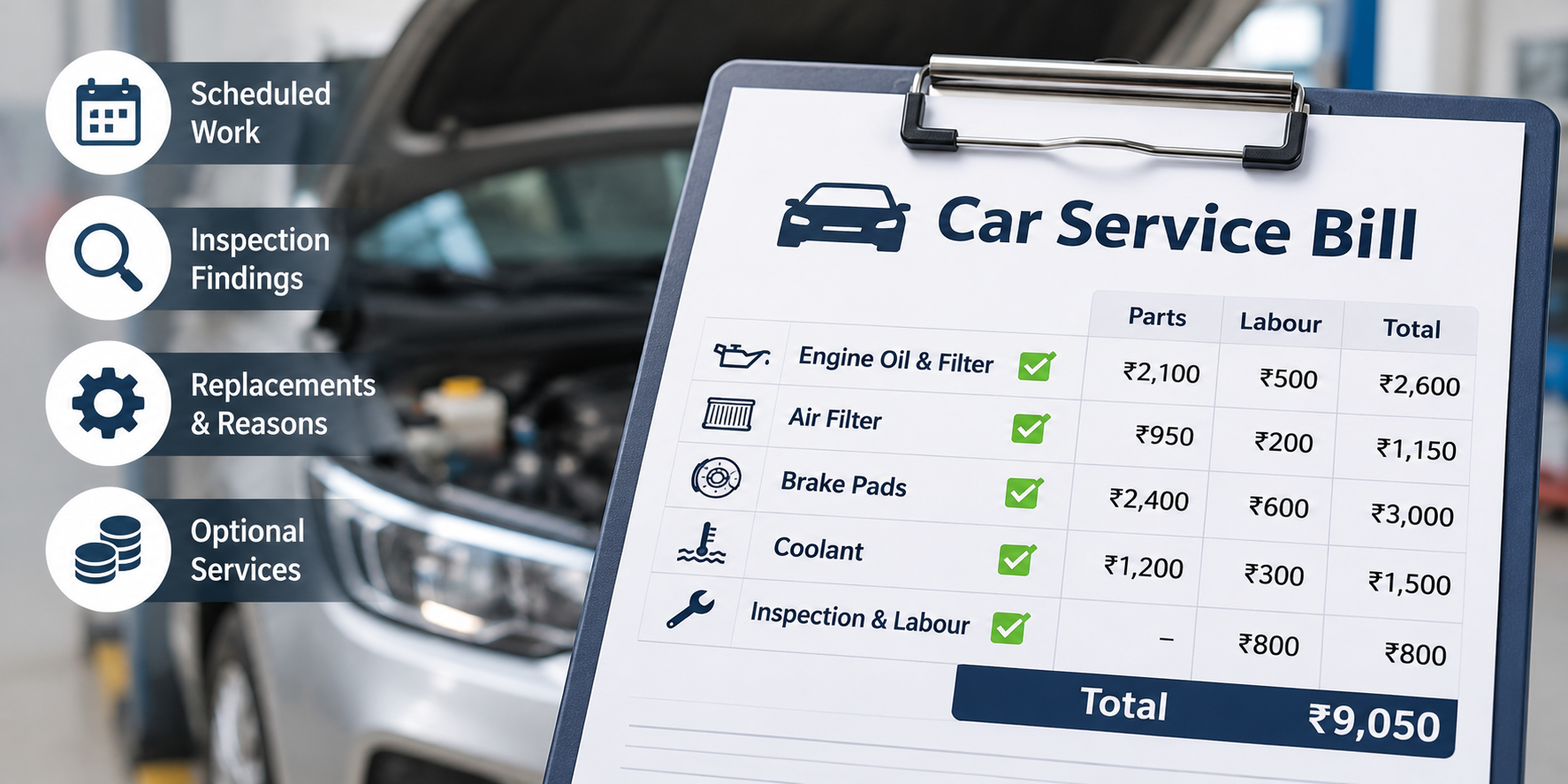
Ask for an itemised invoice showing the work completed, parts replaced, fluids used and any repairs recommended for the future.
Airbags Make Seat Belts Unnecessary: Myth or Fact?
After completing the initial inspection, create your own maintenance record. This is especially useful when the previous owner did not maintain a complete service history.
Record the current odometer reading, date of service, engine oil specification, filter replacements, brake condition, tyre condition and battery test results.
Also note the recommended dates or kilometre readings for upcoming maintenance.
Keep all invoices in one folder, either digitally or in printed form. This will make future servicing easier and help demonstrate the vehicle's maintenance history if you decide to sell it later.
A fresh maintenance schedule also prevents unnecessary repeat replacements and allows you to plan expenses in advance.
The first service after buying a used car should focus on establishing its actual mechanical condition and identifying work that cannot safely be delayed.
Start with service records, brakes, tyres, engine oil, cooling system, battery and suspension. Then review filters, transmission fluid, belts, spark plugs and other maintenance items according to the vehicle's age, mileage and manufacturer recommendations.
Avoid replacing every component simply because the car is pre-owned. A professional inspection, supported by proper service records, can help distinguish urgent repairs from routine work that can wait.









_11zon.webp)