Khyati Sharma 2026-11-14
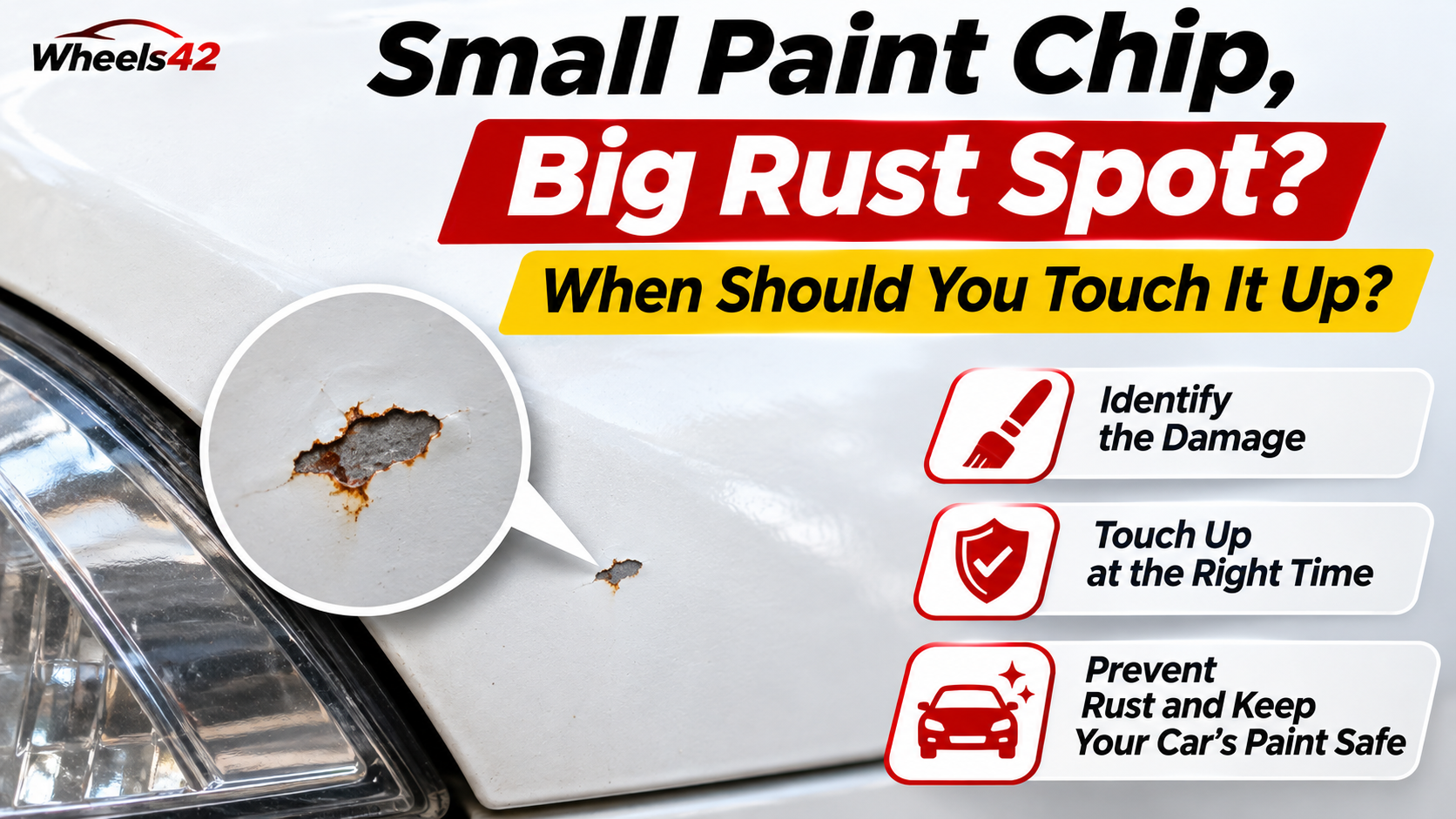
A small paint chip on your car may look like a minor cosmetic issue, but ignoring it for too long can lead to a much bigger problem. What starts as a tiny mark caused by a flying stone, road debris or accidental scratch can eventually expose the metal underneath the paint. Once moisture and oxygen reach the exposed metal, corrosion can begin, gradually spreading beneath the surrounding paintwork.
Many car owners postpone repairing small paint chips because they believe the damage is too minor to worry about. However, the seriousness of a paint chip depends on how deep it is, whether the primer layer is damaged and whether bare metal is exposed. A small mark affecting only the clear coat is usually less concerning than a chip that has penetrated through the paint and exposed the metal body panel.
The important thing is to identify the type of damage early and decide whether a simple touch-up is sufficient or professional repair is necessary. Understanding the difference between a surface blemish and exposed metal can help protect your vehicle's appearance, prevent rust and avoid expensive bodywork in the future.
How to Choose Between Two Similar Car Models: A Decision Framework
Modern cars use multiple layers of paint to protect the body panels and provide a smooth, attractive finish. These layers generally include an e-coat or corrosion-protection layer, primer, base coat and clear coat.
Each layer has a specific purpose. The primer helps the colour coat adhere to the surface, the base coat provides the vehicle's colour, and the clear coat protects the finish against UV exposure, minor scratches and environmental contaminants.
When a stone or hard object hits the vehicle, it can break through one or more of these protective layers. The resulting damage may appear as a tiny white, black, grey or metallic spot.
If the chip reaches the bare metal, the protective coating is no longer intact at that location. Water, oxygen and road salt can come into contact with the metal, creating conditions that encourage corrosion.
This is particularly important for vehicles frequently driven in rainy weather, coastal regions or areas where roads are treated with salt during winter.
Even if the chip is smaller than a fingernail, it deserves attention when the underlying metal is exposed.
One of the biggest challenges for car owners is determining whether a mark is simply a surface scratch or a genuine paint chip.
Not every visible mark requires repainting. Some scratches affect only the clear coat, while others penetrate the colour layer or expose the underlying metal.
A surface blemish generally appears as a light scratch, dull patch or transfer mark. It may become less visible when the area is cleaned or polished.
An exposed-metal chip, on the other hand, often has a small but clearly defined opening where the original paint has disappeared.
Here are some common signs to check:
Clear coat damage: These scratches often appear as fine lines under direct sunlight. The colour underneath remains intact, and the damage may improve with suitable polishing.
Base coat damage: The coloured paint layer is affected, but the primer may still be protecting the underlying metal. These chips often appear lighter or darker than the surrounding paint.
Primer exposure: The damaged area may look grey, white or dull compared with the original body colour. This indicates that the paint layers have been penetrated.
Bare metal exposure: The spot may appear silver, grey or metallic, depending on the body panel material. Steel panels can begin developing rust when exposed to moisture.
Existing corrosion: Brown, reddish or orange discolouration around the chip can indicate that rust has already started forming.
It is important to remember that colour alone cannot always identify the damaged layer. Aluminium body panels, plastic bumpers and different primer colours can produce different appearances.

Paint chips can develop even when a vehicle is driven carefully. Everyday road conditions expose the exterior to several sources of damage.
Small stones thrown into the air by other vehicles are among the most common causes of paint chips.
The front bumper, bonnet, front fenders and lower doors are particularly vulnerable. High-speed driving increases the possibility of small stones striking the vehicle with enough force to damage the paint.
Loose gravel, broken asphalt, construction materials and other debris can hit the bodywork while driving.
Even a relatively small object can create a deep chip if it strikes a painted metal panel at the right angle.
Using dirty sponges, rough cloths or contaminated washing equipment can create scratches on the clear coat.
Although these marks may not immediately expose metal, repeated improper washing can gradually damage the paint finish.
Another vehicle's door, shopping trolley, bicycle handlebar or other object can create small chips while your car is parked.
These incidents often affect door edges, side panels and bumper corners.
Driving through narrow roads with overgrown bushes or low branches can create scratches and paint damage.
Some branches produce light surface marks, while harder objects can penetrate deeper into the paint.
A Repainted Panel Does Not Always Mean a Used Car Had a Major Accident: How to Check the Real Story
The correct time to repair a paint chip depends on its depth, location and exposure to moisture.
A light clear coat scratch may not need immediate touch-up paint, while a chip exposing bare steel should be repaired promptly.
Use the following guide to understand the different damage levels.
|
Type of Damage |
What You May Notice |
Recommended Action |
|
Clear coat scratch |
Fine marks with original colour underneath |
Clean and polish if suitable |
|
Base coat damage |
Colour appears uneven or missing |
Consider colour-matched touch-up |
|
Primer exposure |
Grey or white patch visible |
Apply suitable primer and paint |
|
Bare metal chip |
Silver or exposed metal visible |
Repair promptly with proper protection |
|
Rust formation |
Brown or orange spots around chip |
Remove corrosion and professionally repair if necessary |
|
Large paint damage |
Multiple chips or peeling paint |
Professional bodywork and repainting |
If bare steel is exposed, do not wait until rust becomes visible. The absence of brown discolouration does not mean corrosion cannot start.
For chips exposing metal, repairing them as soon as practical is the safest approach.
Small paint chips can often be repaired at home if the surrounding paint is stable and the damage is limited.
However, the quality of the repair depends on preparation, the correct paint colour and proper application.
Start by washing the affected panel with automotive shampoo and clean water.
Remove dirt, road grime, wax and other contaminants from the chip and surrounding area.
Dry the surface completely using a clean microfibre cloth.
Avoid applying touch-up paint over dirt or moisture because this can affect adhesion and create an uneven finish.
Use your vehicle's paint code to find the correct colour.
Most manufacturers provide a paint identification code on a sticker or plate located in areas such as the driver's door opening, engine compartment or another designated location.
You can also check your owner's manual or contact an authorised dealership.
Choosing a colour that looks similar is not always sufficient. Even small differences can become noticeable under sunlight.
Carefully inspect the chip before applying any paint.
If the area shows brown or orange corrosion, the rust must be addressed before the protective coating is restored.
Do not simply cover existing rust with touch-up paint. Doing so can trap corrosion underneath and allow it to continue spreading.
If corrosion is deep, spreading or affecting the surrounding panel, professional repair is recommended.
When bare metal is exposed, an appropriate automotive primer may be necessary.
Follow the paint manufacturer's instructions to determine whether primer is required and which type is suitable.
Apply a thin, controlled layer rather than filling the entire chip with excessive material.
Allow it to dry according to the product instructions.
Use a manufacturer-approved touch-up pen, fine applicator or suitable brush.
Apply a small amount of colour-matched paint directly to the damaged area.
Several thin applications generally produce a better result than one thick application.
Allow each layer to dry as recommended by the manufacturer.
Some touch-up paint systems include a separate clear coat.
If your repair kit requires one, apply it according to the specified instructions.
The clear coat helps restore the protective finish and improves the appearance of the repaired area.
Avoid aggressive polishing before the paint has fully cured.

Not every paint chip should be repaired using a DIY kit.
Professional attention is recommended when the damage is larger, deeper or more complicated than a small isolated chip.
Consider visiting a body shop in the following situations:
Rust has already developed: If corrosion is visible, the affected area needs proper preparation before repainting.
The paint is peeling: Peeling around the chip may indicate that the damage extends beyond one small spot.
Multiple chips are present: Several damaged areas across the bonnet, roof or doors may benefit from professional refinishing.
The panel has been dented: A chip accompanied by a dent may require additional bodywork before painting.
The damage is near a panel edge: Door edges, wheel arches and lower body sections can be particularly vulnerable to moisture and corrosion.
The vehicle has aluminium body panels: Aluminium does not develop conventional iron rust, but it can corrode. Repairs may require specific materials and preparation techniques.
Professional repair may involve sanding, corrosion removal, primer application, colour matching and clear-coat refinishing.
Documents Required for Car Loan in India Full Checklist
Rust does not always remain limited to the exact area where the paint was damaged.
On steel panels, corrosion can develop when iron reacts with oxygen and moisture. Road salt and other contaminants can accelerate this process.
As corrosion develops, the metal surface gradually deteriorates. In some cases, rust can spread underneath the surrounding paint, causing bubbling, lifting or peeling.
This is why an apparently tiny chip can eventually become a larger repair problem.
For example, a small stone chip on the bonnet may initially expose only a tiny section of steel. If water repeatedly enters the damaged area, corrosion can develop and gradually affect the surrounding coating.
The visible opening may remain small initially, even while the damaged area underneath becomes larger.
Early treatment helps prevent this type of progression.
Although paint chips cannot always be avoided, a few preventive measures can reduce the likelihood of damage.
Avoid driving too close behind trucks, construction vehicles and other vehicles carrying loose material.
Maintaining a reasonable distance reduces the chances of stones and debris hitting your car.
Paint protection film (PPF) is a transparent protective layer applied over painted body panels.
It can help protect vulnerable areas such as the front bumper, bonnet, side mirrors and door edges against minor stone impacts and scratches.
Use automotive shampoo, clean microfibre wash mitts and separate washing equipment for wheels.
Avoid rubbing dry dirt directly against the paintwork.
Check the bonnet, front bumper, wheel arches, door edges and lower panels periodically.
Pay particular attention after long highway journeys or driving on gravel roads.
Do not wait for rust to become visible before addressing exposed metal.
Small paint repairs are generally easier to manage than extensive corrosion-related bodywork.
Wax, paint sealants and ceramic coatings can help protect the clear coat against certain environmental contaminants.
However, they cannot repair an existing chip or replace the need for primer and paint when bare metal is exposed.

Some DIY repairs create more problems because the damaged area is not prepared correctly.
Avoid these common mistakes:
Applying touch-up paint without cleaning the surface.
Covering visible rust without removing corrosion.
Using ordinary household paint instead of automotive paint.
Applying excessive paint in one layer.
Choosing an incorrect paint colour.
Using rough sandpaper unnecessarily.
Polishing the repair before the paint has cured.
Ignoring chips located near panel edges and wheel arches.
Assuming wax or ceramic coating can protect exposed metal.
Another important mistake is using aggressive rust-removal tools on a very small chip without understanding the surrounding paint condition. Excessive sanding can enlarge the damaged area and make the repair more difficult.
Always follow the instructions supplied with the repair product.
More Frequent Polishing Always Keeps Paint Healthier – Myth or Fact?
The cost of repairing a paint chip depends on the size of the damage, the affected panel, the paint type and whether corrosion has already developed.
A small DIY touch-up repair is generally less expensive than professional repainting.
If the damage is limited to a tiny spot, a suitable touch-up kit may be sufficient. However, chips involving rust removal, panel preparation or colour blending can require professional attention.
For larger areas, a body shop may recommend repainting part or all of the affected panel to achieve a consistent finish.
It is better to compare repair options rather than choosing the cheapest product available. An incorrect repair can leave visible marks or allow corrosion to continue underneath the paint.
A small paint chip may not look serious, but its depth determines how much attention it needs. A light clear coat scratch is generally a cosmetic issue, whereas a chip that exposes primer or bare metal requires more careful treatment.
The most important thing is to identify the damaged paint layer, check for corrosion and choose the correct repair method.
If bare steel is exposed, repairing the area promptly can help prevent rust from developing and spreading beneath the surrounding paint.
Regular inspections, correct washing methods and suitable paint protection can also help maintain your car's exterior condition.