 Khyati Sharma 2026-10-20
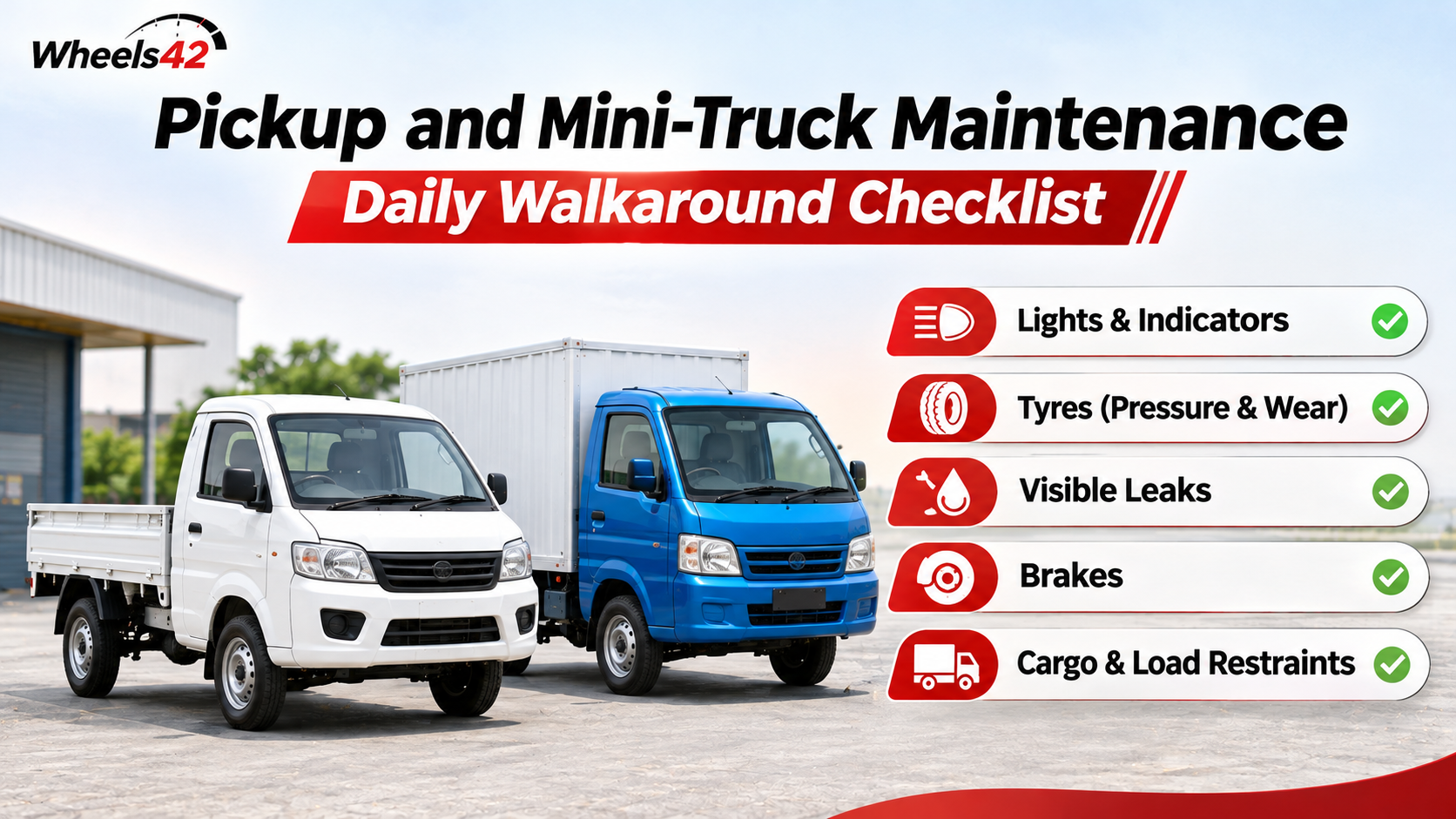
Pickup trucks and mini-trucks play an important role in India's transportation and logistics sector. From delivering groceries and construction materials to transporting industrial goods and agricultural products, these commercial vehicles often operate for long hours under demanding conditions. Their reliability directly affects delivery schedules, operating costs and road safety.
However, regular servicing alone is not enough to keep a commercial vehicle in good working condition. Drivers should also perform a basic inspection before starting their daily journey. A few minutes spent checking tyres, lights, brakes, visible leaks and cargo restraints can help identify problems before they become serious.
A daily walkaround inspection is a simple maintenance routine that allows drivers to identify visible defects before dispatch. It does not require advanced mechanical knowledge or special equipment. Most checks can be completed by walking around the vehicle, observing its condition and reporting anything unusual.
Company-Fitted vs Aftermarket Accessories: Which Is Better?
Commercial vehicles frequently operate in challenging conditions. They may travel through congested city roads, uneven rural routes, highways, construction areas and industrial locations. Repeated loading, unloading, braking and driving over rough surfaces can gradually affect different vehicle components.
A daily inspection helps drivers identify visible warning signs before beginning a trip.
Some of the major benefits include:
Improved road safety: Checking tyres, lights, brakes and mirrors helps identify problems that could affect vehicle control or visibility.
Reduced breakdown risk: Early identification of leaks, damaged components and unusual noises can prevent some roadside failures.
Better delivery planning: Reporting a fault before dispatch gives the maintenance team an opportunity to inspect the vehicle.
Lower repair expenses: Addressing minor issues early may prevent more expensive repairs later.
Improved vehicle availability: A consistent inspection routine helps fleet operators identify recurring problems and plan maintenance.
Protection of transported goods: Checking cargo restraints and the loading area reduces the risk of goods shifting or falling during transit.
A walkaround inspection should be completed before the first trip of the day and repeated whenever operating conditions require it, particularly after loading, unloading or noticing unusual vehicle behaviour.
Lighting systems are among the first components drivers should inspect. Headlights, tail lamps, brake lights and indicators help other road users understand the vehicle's movements, especially in poor visibility.
A damaged or non-functional light can increase the risk of an accident and may also result in a traffic violation.
Start by switching on the parking lights and checking whether the front and rear position lamps are working. Test the low-beam and high-beam headlights, left and right indicators, hazard warning lights and brake lights.

Ask another person to observe the rear brake lights while you press the brake pedal. If assistance is unavailable, use a safe reflection or another suitable method to verify their operation.
Pay attention to the following points:
Headlights should illuminate properly without flickering.
Indicators should blink at a consistent rate.
Brake lights should activate when the brake pedal is pressed.
Tail lamps and registration plate lights should be functional.
Reflectors should be clean and visible.
Light covers should not have cracks or excessive moisture inside.
Also inspect the wiring around visible lamp assemblies. Loose connections, exposed wires and damaged covers should be reported to the maintenance team.
Do not begin a journey with a safety-critical lighting defect. Get the problem inspected and repaired before dispatch.
Tyres are among the most important components of a pickup or mini-truck because they support the vehicle's weight, carry the load and maintain contact with the road.
Commercial vehicles often operate with varying cargo weights. Incorrect tyre pressure or excessive wear can affect handling, braking performance, fuel efficiency and tyre life.
Walk around the vehicle and inspect every tyre, including the spare wheel.
Look for:
Cuts, cracks and bulges on the sidewalls.
Nails, stones or other objects embedded in the tread.
Uneven tread wear.
Visible damage around the tyre bead.
Signs of air leakage.
Missing or damaged valve caps.
Loose, missing or visibly damaged wheel nuts.
Check tyre pressure using a suitable pressure gauge when the tyres are cold. Follow the vehicle manufacturer's recommended pressure specifications, taking the load and operating conditions into account.
Avoid judging tyre pressure only by looking at the tyre. A tyre can appear normal while still being underinflated.
Uneven wear may indicate alignment problems, incorrect pressure, suspension issues or other mechanical faults. Drivers should report such signs instead of attempting adjustments without proper inspection.
If a tyre has a serious cut, bulge, exposed reinforcement or significant air loss, the vehicle should not be dispatched until the issue has been assessed.
An EV’s Advertised Range Is What Every Owner Will Achieve: Myth or Fact?
Fluid leaks are another important warning sign during a daily walkaround inspection.
Pickup trucks and mini-trucks use several fluids to support engine operation, braking, cooling and other vehicle systems. A leak can develop because of damaged hoses, loose connections, worn seals or component failure.
Before starting the engine, look underneath the vehicle and around the engine compartment for fresh stains or dripping fluids.
Common areas to inspect include:
Engine oil around the engine and sump area.
Coolant around the radiator, hoses and reservoir.
Brake fluid near visible brake system components.
Transmission fluid around accessible gearbox areas.
Fuel around the tank, fuel lines and connections.
Power steering fluid, where applicable.
Not every stain underneath a vehicle indicates a serious mechanical problem. However, fresh wet patches, repeated dripping or an unusual smell should never be ignored.
Drivers should avoid touching unknown fluids or opening hot coolant reservoirs. Engine components can remain extremely hot even after the vehicle has been switched off.
If a fuel leak, brake fluid leak or significant coolant or oil leak is suspected, inform the maintenance team immediately. Do not start or continue driving until the vehicle has been assessed.
Brakes are critical to the safe operation of commercial vehicles, particularly when carrying heavy loads.
A pickup or mini-truck requires a properly functioning braking system to slow down safely in traffic and respond to unexpected road conditions.
Before dispatch, check the brake pedal feel and observe whether any brake-related warning lights remain illuminated after the normal starting sequence.
During a controlled test in a safe area, pay attention to unusual noises, vibrations, pulling to one side or a noticeable change in braking response.
Look for these warning signs:
Soft or unusually hard brake pedal.
Excessive pedal travel.
Grinding or squealing sounds.
Vehicle pulling to one side during braking.
Brake warning light remaining illuminated.
Visible fluid leakage.
Burning smell after braking.
Some vehicles also have parking brake indicators or electronic brake-related warnings. Drivers should understand the warning symbols explained in the owner's manual.
Never ignore a change in braking performance. If the brakes feel abnormal or a warning indicates a serious fault, do not take the vehicle onto a public road until it has been inspected.

Good visibility is essential for drivers operating commercial vehicles in crowded Indian traffic conditions.
Pickup trucks and mini-trucks may have blind spots around the sides and rear, particularly when carrying bulky cargo. Properly adjusted mirrors help drivers observe surrounding vehicles, cyclists and pedestrians.
Check that both exterior mirrors are securely mounted and provide a clear view. Look for cracks, loose fittings and excessive vibration.
The windscreen should also be inspected for cracks, chips and dirt that could affect visibility.
Before dispatch, check:
Exterior mirrors are clean and correctly adjusted.
Windscreen has no major obstruction or damage.
Wiper blades move smoothly.
Washer fluid is available.
Wipers clear water effectively.
Rear-view mirrors are properly positioned, where fitted.
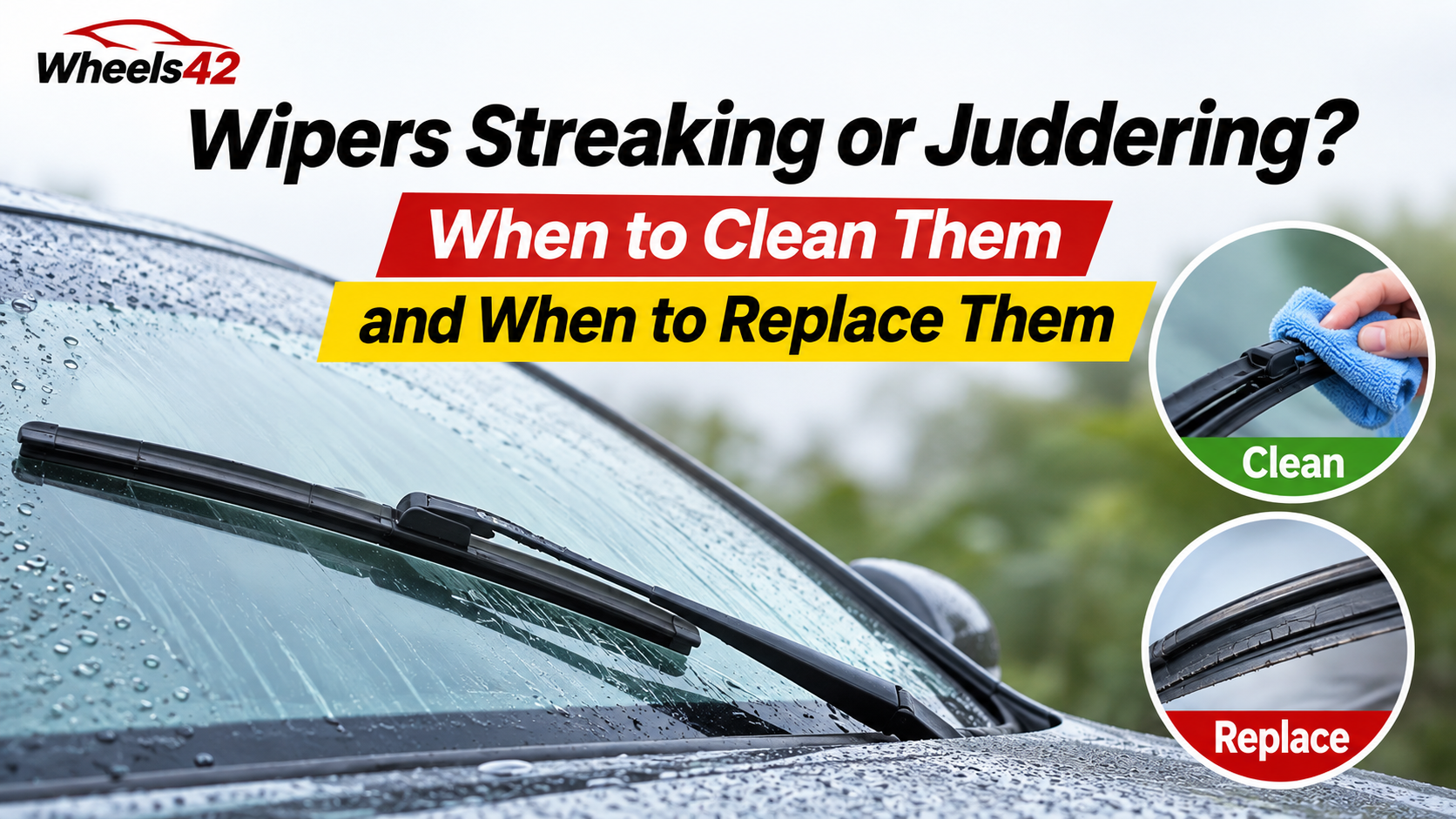
Worn-out wiper blades can leave water streaks and reduce visibility during rainfall. Replace damaged blades rather than waiting for heavy rain to reveal the problem.
Cargo safety is particularly important for pickup trucks and mini-trucks because their load areas are often used for transporting different types of goods.
An improperly secured load can shift during braking, cornering or driving over uneven roads. In serious situations, goods may fall onto the road and create hazards for other vehicles.
Before dispatch, inspect the cargo area and confirm that the goods are loaded evenly and secured appropriately.
Check the following:
Load is distributed according to the vehicle's permitted limits.
Heavy items are positioned securely.
Ropes, straps and tie-down points are in good condition.
Side panels and tailgate are properly closed.
Cargo does not obstruct the driver's visibility.
Goods do not extend beyond permitted dimensions.
Loose materials are covered or contained where required.
The load does not interfere with lights or registration plates.
Drivers should also check whether the cargo is shifting or producing unusual movement when the vehicle starts moving.
Never use damaged ropes or worn-out straps to secure heavy goods. Use suitable load-restraint equipment designed for the type and weight of cargo.
Remember that a vehicle should never exceed its approved payload or gross vehicle weight rating. Overloading can affect braking, handling, tyre performance and component life.
How Many Airbags Do You Really Need? A Safety Primer
Electrical problems can cause unexpected starting failures and affect essential vehicle systems.
During the walkaround, check the battery area for visible damage, corrosion, loose connections or signs of leakage. Make sure the battery is properly secured.
Drivers should also observe whether the dashboard displays any unusual warning lights after the engine starts.
Pay attention to:
Battery terminals and visible corrosion.
Loose or damaged wiring.
Exposed electrical connections.
Damaged insulation.
Unusual electrical smells.
Warning lights that remain illuminated.
Do not attempt electrical repairs unless you are trained and authorised to perform them. Battery connections and electrical systems should be handled according to the manufacturer's safety instructions.
In addition to looking for leaks, drivers should check important fluid levels according to the vehicle manufacturer's instructions.
Engine oil helps lubricate moving components and reduce friction. Coolant helps regulate engine temperature, while other fluids support braking, transmission and steering systems.
Where the vehicle design permits driver-level inspection, check:
Engine oil level using the dipstick.
Coolant level in the designated reservoir.
Brake fluid level through the reservoir markings.
Washer fluid level.
Other manufacturer-recommended fluid levels.
Park the vehicle on level ground and follow the correct checking procedure.
Never open a hot radiator cap or coolant reservoir. If the coolant level is repeatedly dropping, the vehicle may have a leak or another cooling-system issue.
Drivers should not mix different fluid types or add products without checking the manufacturer's recommendations.
A daily inspection should also cover the basic safety equipment available inside the cabin.
Check that the driver's door closes properly and that seat belts operate without damage. Passenger seat belts should also be checked where fitted.
The driver should confirm that the horn works and that the parking brake operates correctly.
Depending on the vehicle and its intended operation, safety equipment may include:
First-aid kit.
Fire extinguisher, where required or provided.
Warning triangle or reflective warning equipment.
Spare wheel and suitable tools.
Vehicle documents.
Emergency contact details.
Make sure the equipment is accessible and in usable condition. Follow applicable vehicle requirements and company policies.
Does a Bigger Truck Always Earn More Money? Understanding Truck Size, Costs and Profitability

Some mechanical issues become noticeable only after the engine starts.
Before leaving the premises, listen for unusual knocking, rattling, squealing or grinding sounds. Observe whether the engine idles smoothly and whether any warning indicators remain active.
Pay attention to:
Difficulty starting the engine.
Excessive vibration.
Unusual exhaust smoke.
Abnormal engine noise.
Warning lights.
Unexpected changes in steering response.
Do not ignore a new sound simply because the vehicle is still moving normally. Report the issue so that a technician can identify its cause.
|
Inspection Area |
What to Check |
Action if a Problem Is Found |
|
|
Lights and indicators |
Headlights, brake lights, indicators and tail lamps |
Report faulty lights and repair before dispatch |
|
|
Tyres |
Pressure, tread, cuts, bulges and wheel nuts |
Report damage or incorrect pressure |
|
|
Visible leaks |
Oil, coolant, fuel and brake fluid |
Stop and arrange inspection for suspected serious leaks |
|
|
Brakes |
Pedal feel, warning lights and unusual sounds |
Do not drive with abnormal braking performance |
|
|
Mirrors and glass |
Mirror condition, windscreen and visibility |
Clean, adjust or report damage |
|
|
Cargo area |
Load distribution, straps, ropes and tailgate |
Secure the load before moving |
|
|
Battery and wiring |
Terminals, visible wiring and warning lights |
Report loose connections or damage |
|
|
Fluid levels |
Engine oil, coolant and other accessible fluids |
Top up only as specified; report repeated losses |
|
|
Cabin safety |
Seat belts, doors, horn and parking brake |
Correct safety defects before dispatch |
|
|
Initial start |
Engine noise, vibration and warning indicators |
Report unusual behaviour for inspection |
|
Finding a problem is only the first step. Drivers must also make sure the fault is communicated to the correct person before the vehicle leaves the premises.
A simple fault-reporting process can help fleet operators maintain accurate vehicle records and prevent repeated issues.
Step 1: Record the vehicle details
Write down the vehicle registration number, fleet identification number, date and inspection time.
Step 2: Describe the fault clearly
Avoid writing vague descriptions such as "vehicle problem" or "something wrong". Instead, mention the exact observation.
For example:
Left rear indicator not working.
Front-right tyre has a visible sidewall cut.
Coolant level below the recommended marking.
Unusual knocking sound during engine start.
Cargo restraint strap damaged.
Disconnecting the Battery Fixes Every Electronic Fault: Myth or Fact?
Step 3: Add photographs where useful
Take clear photographs of visible defects if it is safe to do so. Pictures can help supervisors and technicians understand the issue before inspecting the vehicle.
Step 4: Inform the supervisor or maintenance team
Report safety-related defects immediately. Do not assume another driver or employee has already informed the workshop.
Step 5: Wait for clearance
If the fault affects safe operation, do not dispatch the vehicle until the authorised person has inspected it and confirmed that it is safe to operate.
Step 6: Update the maintenance record
Once the repair is completed, record the corrective action and date. This helps fleet managers identify recurring problems and plan preventive maintenance.
Even experienced commercial vehicle drivers can overlook basic inspection steps when they are in a hurry to meet delivery deadlines.
Some common mistakes include:
Checking only the front tyres and ignoring the rear tyres.
Assuming that a tyre is properly inflated because it looks normal.
Ignoring a dashboard warning light.
Failing to check brake lights and indicators.
Starting a trip without checking cargo restraints.
Ignoring fresh fluid stains underneath the vehicle.
Continuing to drive despite unusual braking or steering behaviour.
Forgetting to report small defects that may become serious later.
Overlooking the spare wheel and emergency equipment.
Treating a daily walkaround as a replacement for scheduled servicing.
A consistent inspection routine is more useful than a rushed inspection that misses important components.
Fleet operators can make the walkaround process more effective by introducing a standard inspection checklist for every pickup and mini-truck.
Drivers should receive basic training on identifying visible defects, understanding dashboard warning symbols and reporting mechanical problems.
Companies can also maintain digital inspection records using mobile forms or fleet management software. These records help supervisors track defects, repair history and recurring maintenance requirements.
For larger fleets, inspection records can be reviewed regularly to identify vehicles that frequently experience tyre damage, electrical issues, leaks or brake-related complaints.
A preventive maintenance schedule should also be maintained according to manufacturer recommendations, vehicle usage, mileage and operating conditions.
The objective is not simply to complete a checklist. It is to make sure every vehicle is inspected, faults are reported and necessary repairs are completed before the next trip.
A daily walkaround inspection is one of the simplest ways to improve pickup and mini-truck maintenance. Checking lights, tyres, visible leaks, brakes, mirrors and cargo restraints before dispatch can help drivers identify potential problems early.
The routine takes only a few minutes, but it can make a meaningful difference to road safety, vehicle reliability and fleet operating costs.
Drivers should never ignore warning signs or attempt to operate a vehicle with a serious safety-related defect. Any problem affecting braking, steering, tyres, fuel systems or other critical components should be reported and inspected before the vehicle returns to service.
For fleet operators, making daily inspections a standard part of dispatch procedures can help build a more reliable and safety-conscious commercial vehicle operation.












Jeep
₹23.16 - 38.83 Lakh