Finding a repainted panel on a second-hand car can make a buyer immediately suspicious. Many people believe that if a car has even one repainted door, bumper or fender, it must have been involved in a major accident. However, this is not always true.
A vehicle may have been repainted because of minor scratches, parking damage, stone chips, fading paint, dents or cosmetic repairs. In some cases, repainting is simply done to improve the car's appearance before resale. On the other hand, a repainted panel can also hide evidence of a serious collision, structural damage or poor-quality repairs.
The important thing is to understand why the panel was repainted and whether the repair affected the vehicle's safety or structure.
When buying a used car, buyers should not reject a vehicle simply because its paint is not entirely original. Instead, they should inspect the quality of the repair, check surrounding panels, look for signs of structural damage and obtain a professional inspection before making a decision.
Driving in the Highest Gear Is Always the Most Economical Choice: Myth or Reality?
Why Do Used Cars Have Repainted Panels?
There are several reasons why a car owner may repaint a body panel. Not every repaint is related to a major collision.
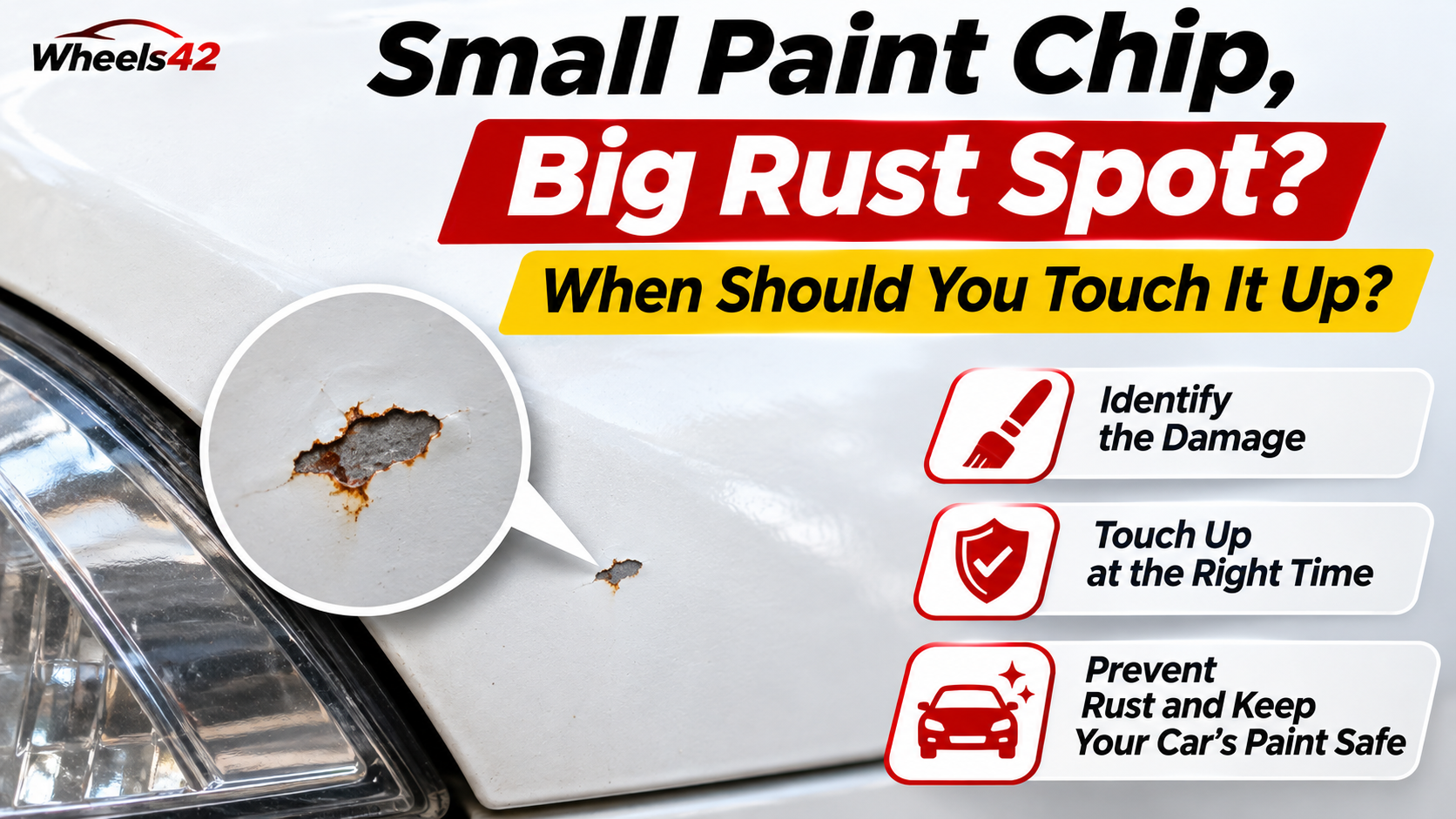
1. Minor Scratches and Parking Damage
Small scratches are common during everyday driving. A car may get scratched while parking, passing through a narrow road or being washed incorrectly.
If the scratch is deep enough to reach the primer or metal, polishing may not be sufficient. The owner may choose to repaint the affected panel to restore its appearance.
For example, a car with a repainted front door may have suffered nothing more than a scratch from a parking pillar.
2. Small Dents and Cosmetic Repairs
Minor dents can occur when another vehicle touches the car in a parking area or when a door is opened against a nearby object.
A body shop may repair the dent using paintless dent removal or conventional dent repair followed by repainting. These repairs do not necessarily indicate structural damage.
3. Bumper Scratches and Damage
Bumpers are among the most exposed parts of a vehicle. They can get scratched while parking, reversing or driving over uneven surfaces.
A bumper may be repainted or replaced even after relatively minor damage. Since bumpers are designed to absorb certain impacts, their repair history should be checked, but a repainted bumper alone is not proof of a serious accident.
4. Faded or Damaged Paint
Sunlight, weather, bird droppings, chemicals and poor maintenance can damage a car's paint over time.
An owner may repaint a bonnet, roof or boot lid because the original paint has faded or developed visible defects. This is generally a cosmetic reason, although the buyer should still check whether the panel has any underlying damage.
5. Previous Accident Repairs
A repaint can also be part of accident repair work. If a vehicle has been involved in a collision, damaged panels may be repaired or replaced and then painted.
The severity can range from a minor impact to a major accident involving the chassis, pillars or other structural components. This is why the repaint itself is not enough to judge the vehicle's history.

Does a Repainted Panel Mean a Major Accident?
No. A repainted panel does not automatically prove that a used car had a major accident.
The repaint only tells you that the panel's paintwork has been changed or refinished. It does not explain why the work was carried out.
Consider two examples:
-
Car A: Its front door was repainted after a minor parking scratch. The door, hinges, frame and surrounding structure remain undamaged.
-
Car B: Its front fender and bonnet were repainted after a collision that also damaged the radiator support and chassis components.
Both cars may have repainted panels, but their accident histories and safety implications are completely different.
A buyer must therefore look beyond the paint and inspect the complete vehicle.
How to Identify Whether a Repainted Panel Was Repaired After a Minor or Major Accident
A careful inspection can help identify the difference between a simple cosmetic repaint and a potentially serious repair. However, visual checks cannot confirm everything, so a professional inspection is strongly recommended.

1. Check the Paint Finish
Look closely at the repainted panel under natural daylight. Compare its colour, shine and texture with neighbouring panels.
Signs of repainting may include:
-
A slight difference in colour or shade.
-
Uneven gloss or paint texture.
-
Visible dust particles trapped in the paint.
-
Small paint runs or rough edges.
-
Overspray on rubber seals, plastic trims or nearby components.
These signs can indicate repainting, but they do not establish why it was done.
2. Look for Uneven Panel Gaps
Check the gaps between the bonnet and fenders, doors and body, and boot lid and rear quarter panels.
The gaps should generally be consistent on both sides. Uneven spacing, a misaligned bonnet or a door that does not close properly may suggest previous repair work.
However, panel gaps can also be affected by normal adjustments, manufacturing tolerances or poor-quality repairs. Treat them as clues rather than proof of an accident.
3. Inspect Bolts and Fasteners
Open the bonnet and inspect accessible bolts around the fenders, bonnet hinges and other body components.
Factory-fitted bolts often have consistent paint markings and undisturbed edges. Scratches, tool marks or disturbed paint around bolts may suggest that a component was removed or adjusted.
This could have happened during accident repairs, but it can also happen during routine maintenance or replacement of a damaged part.
4. Check the Engine Bay
The engine bay can reveal important signs of previous front-end damage.
Inspect the following areas:
-
Radiator support and mounting points.
-
Inner fender areas.
-
Bonnet hinges and surrounding metal.
-
Headlight mounting brackets.
-
Visible welds and factory seams.
-
Signs of fresh paint or unusual sealant.
Look for bent metal, irregular welding, mismatched components or repairs that do not look consistent with the opposite side.
If the radiator support or surrounding structure appears repaired, have a qualified technician examine it before considering the car.
5. Inspect the Boot and Rear Structure
Accident damage is not limited to the front of a vehicle. Rear-end collisions can affect the boot floor, rear panel and spare-wheel well.
Lift the boot floor covering and inspect the visible metalwork. Look for unusual creases, uneven welds, fresh sealant or signs that the spare-wheel well has been repaired.
A repainted boot lid may be a minor cosmetic issue, but damage underneath it deserves closer attention.
6. Check the Pillars and Roof
The A, B and C pillars form important parts of the vehicle's body structure. Damage or poorly executed repairs in these areas can be more serious than a simple repaint of an outer door skin.
Check for unusual paintwork, inconsistent seams, signs of cutting or welding, and differences in the finish around the pillars and roof edges.
Any suspected structural repair should be assessed by an experienced body repair specialist.
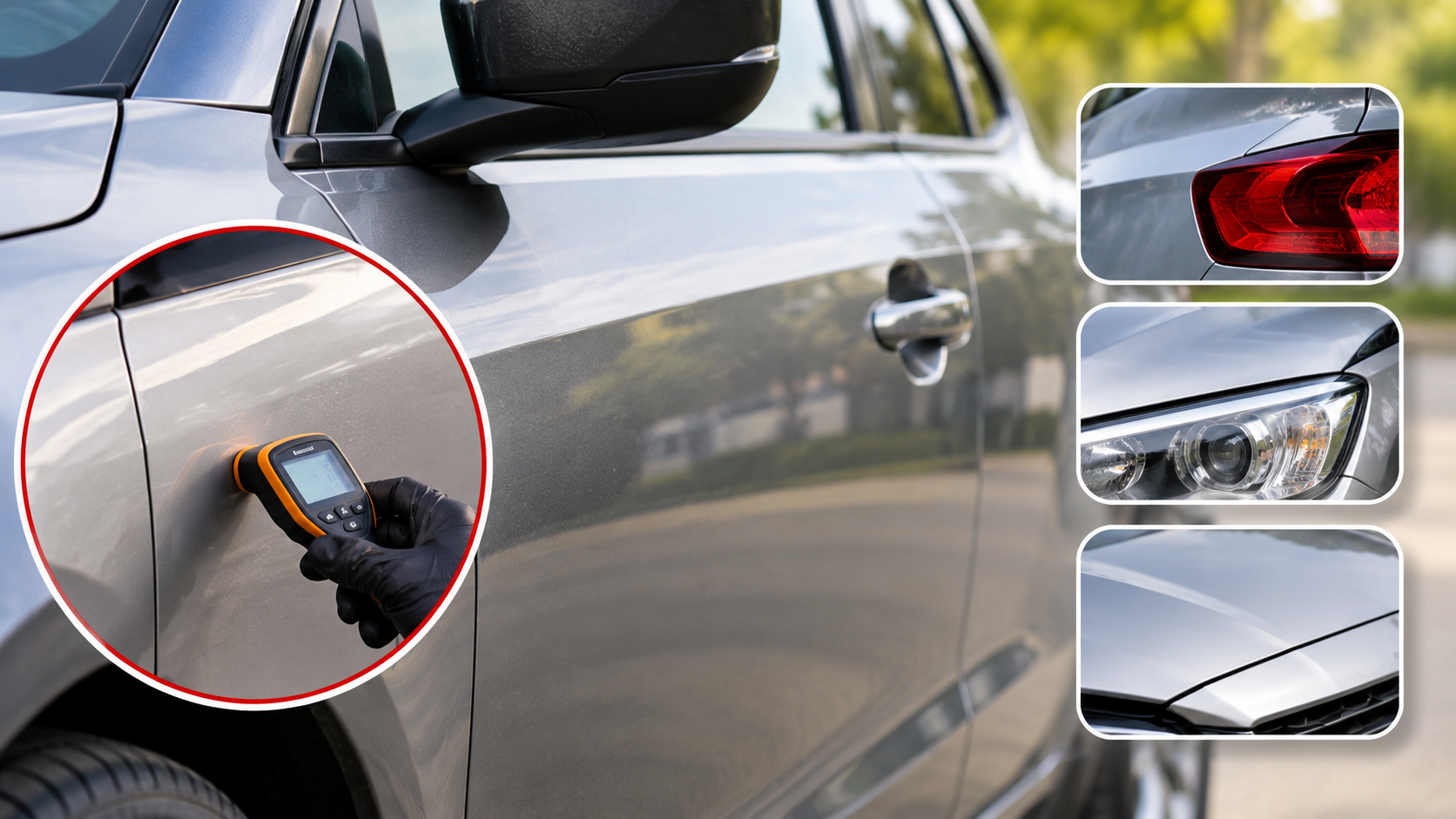
7. Use a Paint Thickness Gauge
A paint thickness gauge measures the coating on a vehicle's metal panels. It can help identify areas where additional paint or filler may have been applied.
A professional inspector can compare readings across different panels and look for unusual variations.
However, readings are not universal. Different manufacturers, materials and factory paint processes can produce different results. Plastic bumpers also require different inspection methods from metal panels.
A paint thickness gauge can identify possible repainting or filler, but it cannot independently establish the cause or severity of damage.
How to Get the Best Discount on a New Car in India
Repainted Panel vs Accident-Damaged Panel: What Should Buyers Check?
|
Inspection area
|
Possible minor repair indication
|
Warning sign requiring further inspection
|
|
Door
|
Repaint after a scratch
|
Bent door frame or damaged hinges
|
|
Front fender
|
Local paint repair
|
Inner fender or mounting damage
|
|
Bonnet
|
Repaint after stone chips
|
Bent bonnet support or radiator support damage
|
|
Bumper
|
Scratches or parking damage
|
Damaged mounting points or underlying components
|
|
Boot lid
|
Cosmetic repaint
|
Creases or repairs in the rear body structure
|
|
Roof
|
Paint fading or surface damage
|
Signs of structural repair or welding
|
|
Pillars
|
Small cosmetic paint correction
|
Cutting, welding or deformation
|
|
Panel bolts
|
Minor adjustment marks
|
Multiple disturbed fasteners with other accident signs
|
|
Paint thickness
|
Slight variation
|
Significant variation or filler that needs investigation
|
Which Repainted Panels Are More Concerning?
Not all repainted panels carry the same level of concern. The location and condition of the repair matter.
Generally lower concern: A bumper, door skin or outer fender with a clean cosmetic repaint may be less concerning if the mounting points, hinges and surrounding structure are undamaged.
Requires closer inspection: A repainted bonnet, boot lid or quarter panel should be checked alongside the underlying supports and adjacent bodywork.
Higher concern: Repairs involving pillars, roof rails, floor sections, chassis components, suspension mounting points or major structural members deserve particular attention. These areas can influence crash protection, alignment and vehicle safety.
A buyer should not assume that every repaint in a structural area means the car is unsafe. Instead, the repair must be assessed for its location, method, quality and compliance with manufacturer repair procedures.
Manual vs Automatic Car: Pros and Cons Explained
Should You Buy a Used Car With Repainted Panels?
Yes, a used car with repainted panels can still be a good purchase. The decision should depend on the reason for repainting, the quality of the repair, the vehicle's service history and its overall condition.
A car with one professionally repainted door and no structural damage may be a better purchase than a car with original paint but poor maintenance, hidden mechanical problems or an unreliable service history.
Before buying, consider these steps:
-
Ask the seller which panels have been repainted and why.
-
Request repair invoices, insurance claim details or workshop records if available.
-
Compare the paint finish across the entire vehicle.
-
Inspect the engine bay, boot floor, pillars and underbody.
-
Check tyre wear and wheel alignment for possible suspension or impact-related problems.
-
Take the vehicle for an independent pre-purchase inspection.
-
Confirm that the registration certificate, insurance, service records and other documents are in order.
Do not rely only on the seller's explanation. A professional inspection can help establish whether the repair appears cosmetic or whether further investigation is necessary.

Does Repainting Reduce a Used Car's Resale Value?
A repaint can affect resale value, but the impact depends on the type and extent of work.
A small, professionally repaired scratch may have a limited effect. Multiple repainted panels can make buyers more cautious, particularly if the seller cannot explain the repairs.
A vehicle with documented cosmetic repairs and a clean inspection may still attract buyers. However, evidence of poorly repaired structural damage can significantly affect resale value and may raise safety concerns.
When negotiating, use the inspection report and repair documentation rather than assuming a fixed percentage should be deducted for every repainted panel.
The Complete Guide to Buying a New Car in India: The Wheels42 7-Step Framework
Common Mistakes Buyers Should Avoid
-
Rejecting every repainted car: A repaint can be a normal cosmetic repair.
-
Assuming original paint guarantees a perfect car: A vehicle can have mechanical or structural problems even when its paint is original.
-
Checking only the exterior: Important damage can be hidden underneath the bonnet, boot floor or vehicle.
-
Trusting paint thickness readings alone: A gauge is a useful tool, not a complete accident-history report.
-
Ignoring poor repair quality: Uneven welding, misaligned panels and damaged mounting points need attention.
-
Skipping a professional inspection: A short test drive and visual check cannot reveal every hidden problem.
Final Verdict
A repainted panel does not prove that a used car was involved in a major accident. It may simply have been refinished after a scratch, dent, parking incident or paint deterioration.
What matters is whether the repair was cosmetic or involved important structural components. Buyers should inspect panel alignment, paint quality, fasteners, welding, pillars, the engine bay and the boot floor. When anything looks suspicious, an independent professional inspection is the safest approach.

 Khyati Sharma 2026-08-07