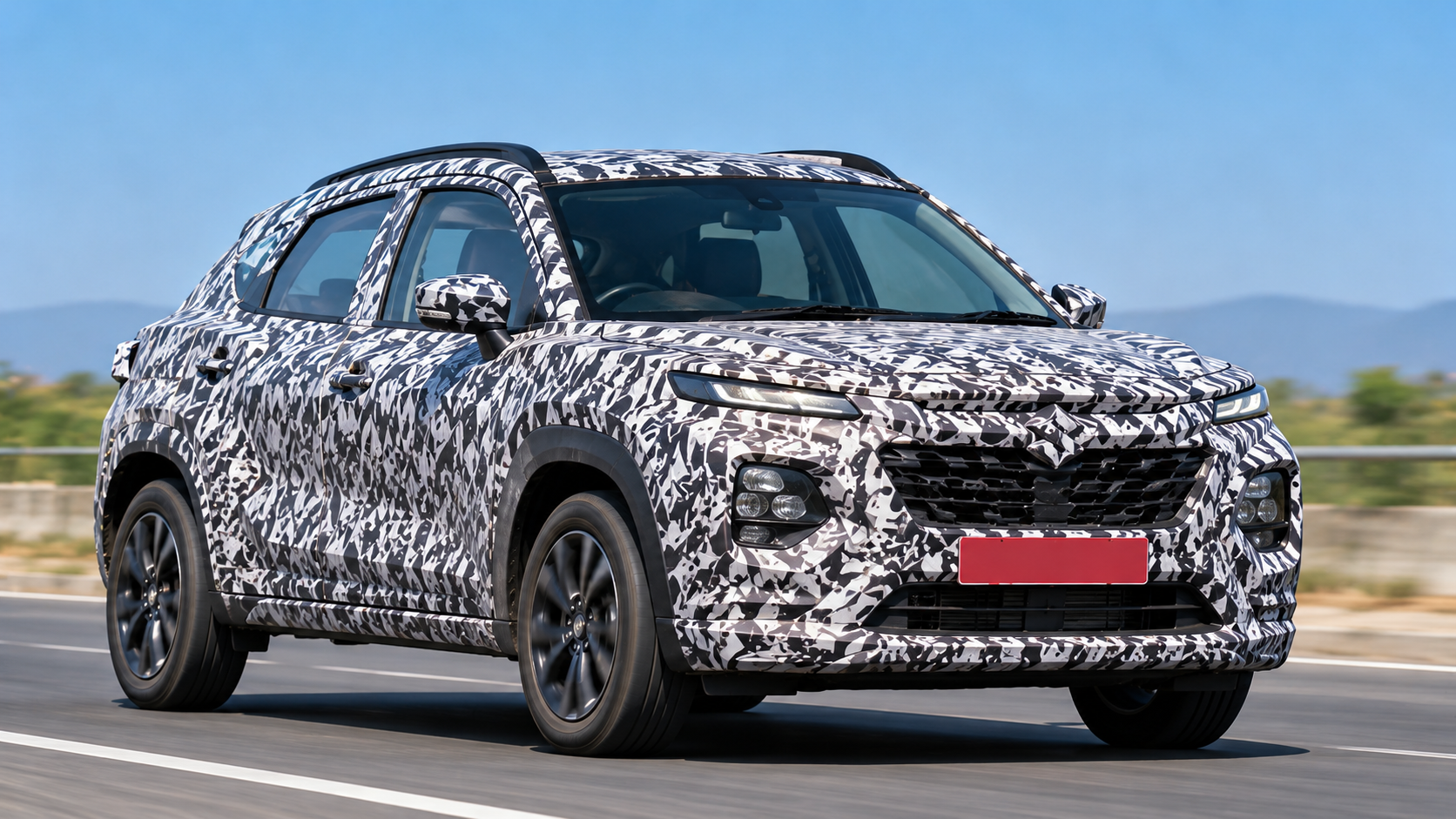
Regenerative braking helps electric vehicles recover energy while slowing down, but it does not eliminate the need for conventional friction brakes. Both systems play important roles in vehicle safety, efficiency, and braking performance.
Electric vehicles (EVs) are becoming increasingly popular because of their low running costs, quiet operation, and reduced tailpipe emissions. One of the technologies that makes them different from petrol and diesel vehicles is regenerative braking. This system allows an EV to recover some of the energy normally lost during braking and use it to recharge the battery.
However, a common misconception is that regenerative braking makes traditional brakes unnecessary. Some drivers believe that because an electric car can slow down by using its electric motor, it never needs brake pads, brake discs, or other conventional braking components.
This assumption is incorrect. Although regenerative braking can reduce the use of friction brakes in many driving situations, it cannot replace them completely. Friction brakes remain essential for emergency stops, hard braking, low-speed stopping, and situations in which regenerative braking is limited or unavailable.
So, does regenerative braking mean an EV never needs friction brakes? Let's understand how the technology works, why conventional brakes remain necessary, and how both systems contribute to safer and more efficient driving.
How to Choose Between Two Similar Car Models: A Decision Framework
What Is Regenerative Braking in an Electric Vehicle?
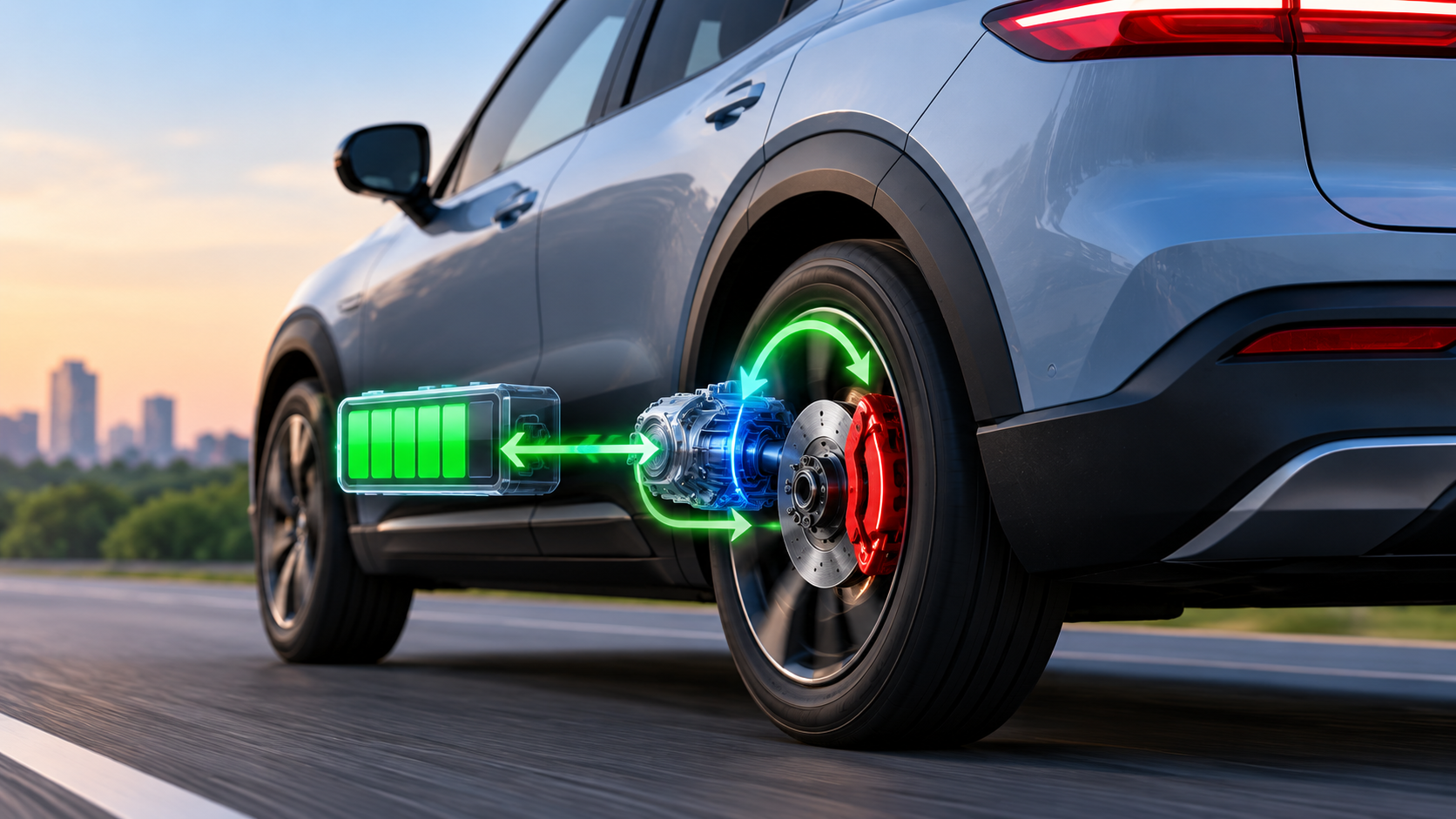
Regenerative braking is a technology that allows an electric vehicle to recover some of its kinetic energy when it slows down.
In a conventional petrol or diesel vehicle, most of the vehicle's movement energy is converted into heat through the friction between brake pads and brake discs during braking. That energy is generally lost to the surroundings.
An EV can recover a portion of this energy by using its electric motor as a generator.
When the driver lifts their foot off the accelerator or applies the brake pedal, the electric motor can create resistance that slows the vehicle. During this process, the motor converts some of the vehicle's kinetic energy into electrical energy, which is sent back to the battery when conditions allow.
This process is called regenerative braking because it recovers energy that would otherwise be wasted.
The amount of energy recovered depends on several factors, including vehicle speed, battery charge level, battery temperature, motor capability, road conditions, and the selected regenerative braking setting.
Regenerative braking improves energy efficiency, but it cannot recover all the energy used to accelerate the vehicle. Some energy is lost through air resistance, tyre rolling resistance, electrical conversion, and other processes.
How Does Regenerative Braking Work?
The working principle of regenerative braking is relatively simple, although the technology behind it involves sophisticated electronic controls.
When an EV accelerates, its battery supplies electricity to the electric motor. The motor converts electrical energy into mechanical energy, which moves the wheels.
When the vehicle slows down, the motor can operate in reverse as a generator. Instead of consuming electricity to produce motion, it converts some of the vehicle's movement into electricity.
The recovered electricity passes through the vehicle's power electronics and can be stored in the battery, provided the battery management system permits charging.
For example, imagine driving an electric car down a gentle slope. Instead of relying entirely on the friction brakes to control its speed, the vehicle may use regenerative braking to slow down while recovering some energy.
The system can be particularly useful in city traffic, where vehicles frequently accelerate and decelerate.
However, regenerative braking has limits. If the battery is nearly full, too cold, or too hot, the vehicle may restrict energy recovery. It may also provide less braking at very low speeds or when traction conditions require careful control.
This is one of the main reasons conventional brakes remain necessary.

Does Regenerative Braking Eliminate Friction Brakes?
No. Regenerative braking does not eliminate the need for friction brakes in an electric vehicle.
Most EVs use a combination of regenerative braking and conventional friction braking. The vehicle's braking control system determines how these systems work together according to the driver's braking demand and the conditions at that moment.
Regenerative braking is useful for recovering energy during suitable deceleration. However, friction brakes provide the dependable mechanical braking force needed when regenerative braking cannot deliver enough deceleration.
For example, if a driver suddenly encounters an obstacle and needs to stop quickly, the vehicle may use both regenerative and friction braking to achieve the required stopping force.
Similarly, when the battery cannot accept additional charging energy, regenerative braking may be reduced. The friction brakes must still be capable of slowing and stopping the vehicle safely.
Conventional brakes also help the vehicle remain stationary when parked, although the parking brake mechanism and its design vary by vehicle.
In short, regenerative braking improves efficiency, while friction brakes remain essential for reliable and predictable stopping.
Company-Fitted vs Aftermarket Accessories: Which Is Better?
Why Do EVs Still Need Conventional Brakes?
There are several important reasons why electric vehicles continue to use traditional braking systems.
1. Emergency Braking
Regenerative braking is not always sufficient for emergency stopping. When a driver needs maximum braking force, the vehicle's braking system must deliver the deceleration required to stop safely.
Friction brakes provide substantial braking force and work alongside regenerative braking when the vehicle's control system determines that additional braking is necessary.
The exact contribution of each system depends on the EV's design, speed, battery conditions, and braking demand.
2. Low-Speed Braking
Regenerative braking performance can decrease as the vehicle approaches a complete stop. Some vehicles can bring the car to a standstill through regenerative braking under certain conditions, but this capability varies.
Friction brakes help complete the stopping process and hold the vehicle securely when required.
Drivers should not assume that lifting off the accelerator or selecting a strong regenerative braking mode will always stop the vehicle completely.
3. A Fully Charged Battery
A battery at or near its maximum permitted charge level may have limited capacity to accept additional energy.
In this situation, the vehicle may reduce regenerative braking to protect the battery. The driver must still be able to slow down normally, which is why friction brakes are important.
This behaviour can sometimes surprise drivers who are accustomed to strong regenerative braking during everyday journeys.
4. Cold Battery Conditions
Battery temperature can affect how quickly the battery can accept charging energy. In cold conditions, the vehicle may limit regenerative braking until the battery reaches a more suitable temperature.
As a result, an EV may feel different when the driver lifts off the accelerator on a cold morning compared with a warmer day.
Friction brakes provide the additional braking capability needed when energy recovery is limited.
5. Slippery Roads
Wet, icy, or otherwise slippery surfaces can reduce tyre grip. Regenerative braking must be carefully controlled to avoid excessive deceleration at the driven wheels, which could affect traction.
The vehicle's stability and braking control systems manage braking force according to the available grip. Depending on the situation, regenerative braking may be reduced and friction braking may contribute more.
Neither braking system can overcome the physical limits of tyre grip, so drivers must still slow down appropriately in poor weather.
6. System Faults
Regenerative braking depends on the electric motor, power electronics, battery system, and control software. A fault or operating restriction can reduce or disable energy recovery.
The conventional braking system provides the essential braking capability needed in these situations, subject to the vehicle's design and any safety warnings.
Drivers should never ignore brake-system warnings or continue driving when braking performance appears abnormal.
Regenerative Braking vs Friction Braking
|
Feature
|
Regenerative braking
|
Friction braking
|
|
Main purpose
|
Slows the vehicle while recovering some energy
|
Slows or stops the vehicle by creating friction
|
|
Energy use
|
Can return some electrical energy to the battery
|
Converts much of the braking energy into heat
|
|
Brake pad wear
|
Can reduce friction-brake usage and wear
|
Causes brake pad and disc wear during operation
|
|
Emergency stopping
|
Contributes when available and permitted
|
Provides essential additional braking force
|
|
Dependence on battery conditions
|
Yes; regeneration may be limited
|
Does not depend on the battery accepting recovered energy in the same way
|
|
Low-speed stopping
|
May be reduced near a complete stop, depending on the vehicle
|
Helps complete the stop
|
|
Maintenance
|
Requires the motor and related systems to function correctly
|
Requires inspection of pads, discs, fluid, and other components as applicable
|
Do EV Brake Pads Last Longer Because of Regenerative Braking?
In many cases, yes. Electric vehicles can experience less brake pad wear than comparable conventional vehicles because regenerative braking handles some of the deceleration that would otherwise rely on friction brakes.
For example, a driver who frequently slows down gradually in city traffic may recover energy while using the conventional brakes less often.
However, brake-pad lifespan varies considerably. Driving style, vehicle weight, terrain, traffic, brake design, and weather all influence wear.
There is another important consideration: reduced brake use does not mean friction brakes can be ignored.
Because the brakes may be used less frequently, some components can experience corrosion, sticking, or other issues, particularly in vehicles regularly exposed to moisture or road salt. Surface rust on brake discs can sometimes develop during ordinary parking, but persistent corrosion or abnormal braking requires inspection.
EV owners should follow the manufacturer's maintenance schedule even if the brake pads appear to wear slowly.
An EV Battery Must Be Replaced as Soon as Its Warranty Expires: Myth or Fact?
Does Regenerative Braking Improve EV Range?
Regenerative braking can improve an electric vehicle's driving efficiency by recovering some energy during deceleration.
The benefit is often noticeable in urban driving, where frequent stops and changes in speed provide more opportunities for energy recovery.
On highways, vehicles generally maintain a more consistent speed and brake less frequently, so there may be fewer opportunities to recover energy.
However, regenerative braking is not a source of free energy. The recovered electricity comes from the vehicle's existing movement, and energy is still lost during acceleration, braking, and conversion.
Drivers can maximise efficiency by anticipating traffic, maintaining smooth acceleration, and slowing down gradually when conditions permit.
Strong regenerative braking is not always the most efficient or comfortable setting for every journey. The ideal setting depends on the vehicle, road conditions, and the driver's preferences.

Common Mistakes EV Drivers Should Avoid
Even though regenerative braking offers several advantages, drivers should understand its limitations.
Assuming the car will always stop when the accelerator is released: Some vehicles offer one-pedal driving, but behaviour varies by model and setting. Drivers must remain ready to use the brake pedal.
Ignoring conventional brake maintenance: Lower brake-pad wear does not eliminate the need to inspect pads, discs, fluid, and other components.
Expecting the same regeneration in every condition: Battery temperature, charge level, speed, and traction can affect energy recovery.
Using strong regeneration on slippery roads without care: Sudden deceleration can affect vehicle stability in certain conditions. Use the recommended driving mode and adapt your speed to the road.
Ignoring dashboard warnings: If the vehicle displays a braking or stability-system warning, follow the owner's manual and seek professional assistance when required.
Understanding these points can help drivers enjoy the efficiency benefits of regenerative braking without compromising safety.
Final Verdict: Regenerative Braking Means an EV Never Needs Its Friction Brakes
Myth. Regenerative braking does not make conventional friction brakes unnecessary. It helps recover some energy while slowing the vehicle, but friction brakes remain essential for emergency stops, low-speed braking, situations involving limited energy recovery, and other braking demands.
The main advantage of regenerative braking is that it can improve energy efficiency and reduce wear on conventional brake components. However, it does not replace regular brake inspections or responsible driving.
Electric vehicle owners should learn how their vehicle's regenerative braking system behaves, remain prepared to use the brake pedal, and follow the manufacturer's maintenance recommendations.

 Khyati Sharma 2026-09-05