
 Khyati Sharma 2026-09-22
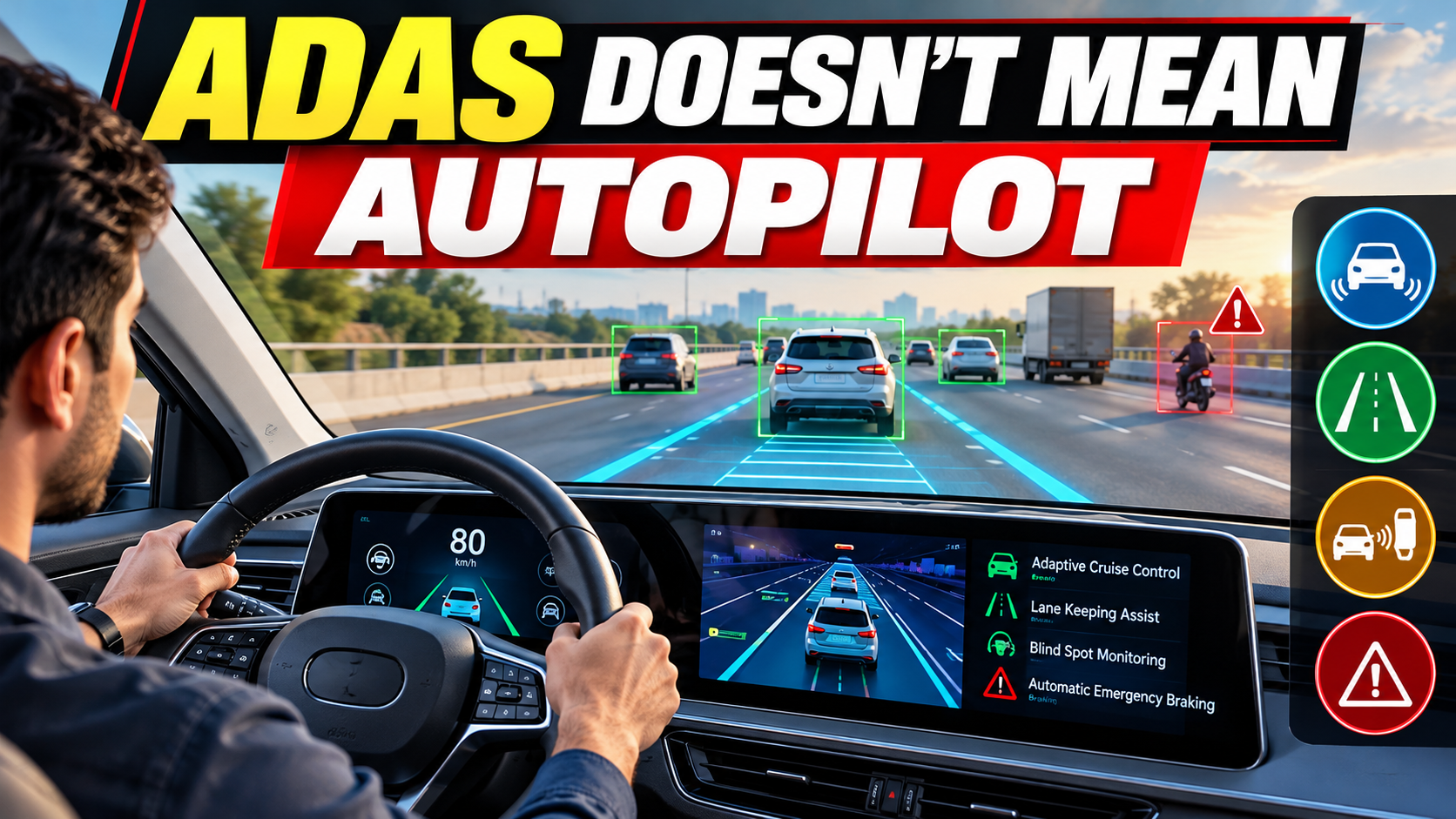
Modern cars are becoming smarter with the introduction of Advanced Driver Assistance Systems (ADAS). These technologies help drivers detect potential hazards, maintain a safe distance from other vehicles, stay within their lanes and respond to certain dangerous situations. Features such as adaptive cruise control, lane keeping assist, blind-spot monitoring and automatic emergency braking are increasingly available in new cars and SUVs.
However, the growing use of these technologies has created a common misconception: if a car has ADAS, can the driver stop paying attention to the road?
The answer is no. ADAS is designed to assist the driver, not replace the driver's responsibility to observe the road and control the vehicle. Most ADAS-equipped vehicles still require the driver to remain alert, monitor traffic and be ready to intervene whenever necessary.
Although some advanced systems can control steering, acceleration and braking under specific conditions, they may not recognise every hazard or respond correctly to every situation. Understanding their capabilities and limitations is essential for safe driving.
In this article, we explain how ADAS works, what its main features do, why driver attention remains necessary and how to use these technologies responsibly.
Company-Fitted vs Aftermarket Accessories: Which Is Better?
ADAS stands for Advanced Driver Assistance Systems. It refers to a collection of electronic technologies designed to support the driver and help reduce the risk of certain collisions.
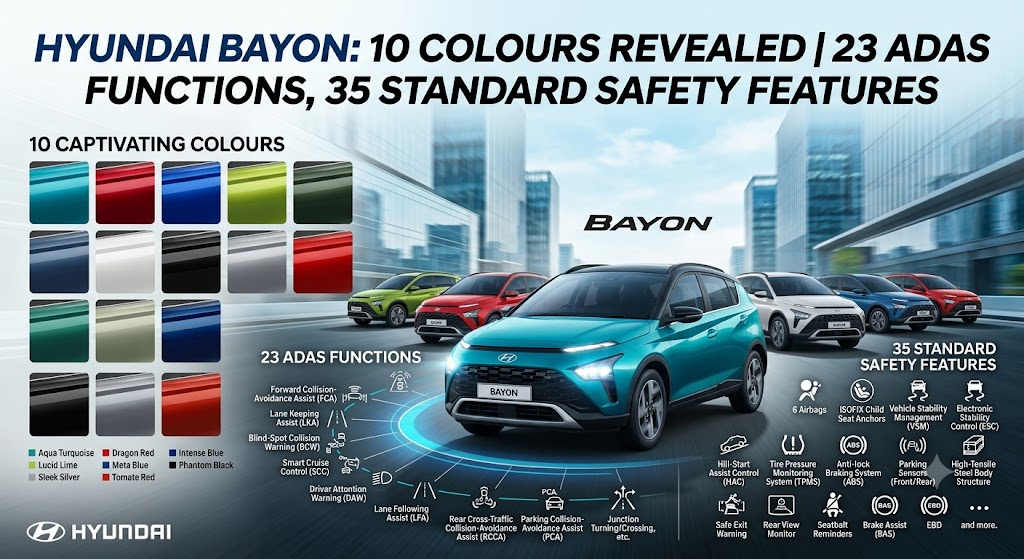
Depending on the vehicle, these systems use cameras, radar, ultrasonic sensors and other sensors to monitor the surrounding environment. Software processes the information to identify vehicles, lane markings, pedestrians, obstacles and other road users.
Some systems provide warnings, while others can intervene by applying the brakes, adjusting acceleration or providing steering assistance.
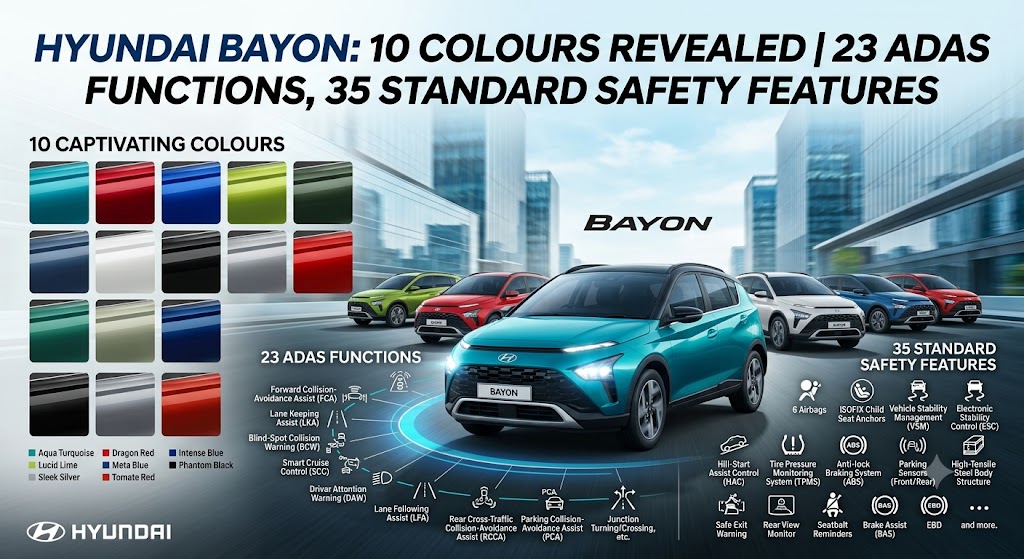
Common ADAS features include:
Automatic Emergency Braking (AEB)
Adaptive Cruise Control (ACC)
Lane Departure Warning (LDW)
Lane Keeping Assist (LKA)
Blind-Spot Monitoring (BSM)
Rear Cross-Traffic Alert
Traffic Sign Recognition
Driver Attention Warning
Highway Driving Assist
The availability and operation of these features vary by manufacturer, model, variant and market.
ADAS can make driving easier and may help prevent certain accidents. However, it does not make a vehicle completely autonomous.
The biggest misconception about ADAS is that the technology can handle every driving situation independently.
In reality, many systems are designed to work within specific operating conditions. A camera-based system, for example, may have difficulty identifying lane markings when they are faded, covered by snow or obscured by heavy rain. Radar and camera systems may also be affected by sensor obstruction, poor visibility or unusual traffic situations.
A vehicle equipped with adaptive cruise control may maintain a selected speed and following distance, but the driver must still monitor the road and be ready to brake.
Similarly, lane keeping assist can provide steering corrections, but it may not reliably handle every sharp curve, construction zone or poorly marked road.
Imagine driving on an Indian highway when a motorcycle suddenly enters your lane, a pedestrian crosses unexpectedly or roadworks redirect traffic. An assistance system may respond to some of these situations, but it cannot guarantee that every hazard will be detected in time.
The driver must therefore remain attentive and ready to take control.

Automatic Emergency Braking
Automatic Emergency Braking (AEB) can detect certain potential collisions and warn the driver. If the driver does not respond adequately, the system may apply the brakes automatically.
This technology can help reduce collision risk or impact severity in situations covered by the system's design.
However, AEB cannot guarantee that every collision will be avoided. Its performance depends on factors such as speed, sensor visibility, road conditions, the type of obstacle and the time available to respond.
Drivers should continue observing the road rather than relying on AEB to stop the vehicle automatically in every emergency.
How to Compare Car Variants: Base vs Mid vs Top Trim
Adaptive Cruise Control
Adaptive Cruise Control maintains a selected speed and can adjust it to help maintain a following distance from a vehicle ahead.
Some systems can bring the car to a stop and resume movement in traffic, depending on their design.
Nevertheless, adaptive cruise control does not mean the driver can read messages, watch videos or take their eyes off the road. Vehicles may cut into the lane, traffic may stop suddenly, or the system may not respond as expected to stationary objects.
The driver must remain alert and intervene when necessary.
Lane Departure Warning
Lane Departure Warning alerts the driver when the vehicle begins drifting out of its lane without an appropriate indication.
Depending on the system, warnings may be visual, audible or tactile.
This feature can help a driver recognise unintended lane movement, but it does not replace checking mirrors, using indicators or looking for other road users before changing lanes.
Lane Keeping Assist
Lane Keeping Assist can apply steering input to help the vehicle remain within detected lane markings.
Some systems provide only a brief correction, while others can offer more continuous steering support under suitable conditions.
However, lane markings may be difficult to detect on poorly maintained roads, at roadworks or in heavy rain. Drivers must continue steering and monitoring the vehicle's position.
Blind-Spot Monitoring
Blind-Spot Monitoring helps alert drivers to vehicles travelling in areas that may be difficult to see in the side mirrors.
It can be particularly useful when driving on busy highways, but it does not eliminate blind spots entirely. Motorcycles, bicycles or other objects may not always be detected.
Drivers must still check mirrors, look over their shoulders when appropriate and use indicators before changing lanes.
|
Feature |
ADAS |
Fully Autonomous Driving |
|
Main purpose |
Assists the human driver |
Intended to perform the driving task within its approved operating scope |
|
Driver responsibility |
Driver generally remains responsible for monitoring and control |
Depends on the system's certified automation level and operating conditions |
|
Steering and braking |
May provide warnings or assistance |
May control driving tasks without continuous human driving input in defined conditions |
|
Hazard detection |
Can detect certain hazards but has limitations |
Must meet requirements appropriate to its level of automation |
|
Can the driver ignore the road? |
No |
Only if the specific system and its approved operating conditions explicitly permit it |
The term “autonomous driving” covers different levels of automation. Even advanced systems may have restrictions, and some require the driver to take control when requested.
A vehicle with Level 2 driving assistance generally controls steering and speed simultaneously under certain conditions, but the human driver must continuously supervise the system. It should not be treated as a self-driving car.
Drivers should always consult the owner's manual to understand which features their vehicle supports and what responsibilities remain with them.
New Car Dealer Negotiation Tips That Actually Work
Indian roads can present a wide variety of unpredictable situations, including mixed traffic, pedestrians, animals, two-wheelers, sudden lane changes and vehicles travelling at different speeds.
Lane markings may be inconsistent, and temporary roadworks can change the normal traffic pattern. Heavy rain, dust, fog and strong sunlight can also affect visibility and sensor performance.
For example, a driver travelling on a highway may have adaptive cruise control activated when a motorcycle moves into the vehicle's path. The system may respond, but the driver should not assume it will always identify and manage the situation perfectly.
Similarly, a lane assistance system may not work as intended on a road with missing markings or sudden diversions.
These conditions make active observation especially important. ADAS can provide an additional layer of assistance, but safe driving still depends on judgement, awareness and timely intervention.
Yes, overconfidence is a potential risk when drivers misunderstand what assistance technology can do.
A driver may believe that automatic braking will prevent every collision or that lane keeping assist will stop the car from drifting in every situation. This false confidence can lead to reduced attention, excessive speed or unsafe following distances.
Technology can also create a misleading sense of security because its interventions may feel smooth and reliable during normal driving.
The solution is to understand the limits of each feature. Drivers should learn when systems operate, what warnings mean and when intervention may be unavailable.
ADAS should encourage safer driving behaviour, not riskier behaviour.

Drivers can gain the greatest benefit from ADAS by following these practical recommendations:
Keep your eyes on the road. Never treat driver assistance as permission to become distracted.
Keep your hands ready to steer. Follow the vehicle manufacturer's instructions for the particular system.
Maintain a safe following distance. Do not depend entirely on automatic braking or adaptive cruise control.
Understand your vehicle's features. Read the owner's manual and learn the conditions under which each system operates.
Keep sensors and cameras clean. Mud, dust, snow and other obstructions can affect performance.
Respond to warnings immediately. Take control whenever the system asks you to intervene or the situation requires it.
Avoid phone use while driving. ADAS does not make texting or other distracting activities safe.
Adjust your speed to the conditions. Poor visibility, rain, roadworks and heavy traffic require additional caution.
These steps help drivers use technology as a safety aid while maintaining responsibility for the vehicle.
How to Choose Between Two Similar Car Models: A Decision Framework
No safety technology can guarantee that a vehicle will never be involved in an accident.
ADAS may reduce certain risks by warning drivers, helping maintain lane position or applying the brakes in specific situations. However, its performance depends on the system's design, environmental conditions, sensor capability and the driver's response.
A vehicle may encounter a hazard that the system cannot recognise or respond to quickly enough. Even when a warning is issued, the driver may not have sufficient space to avoid a collision.
ADAS works best as part of a broader safety approach that includes appropriate speed, seat belts, well-maintained tyres and brakes, safe following distances and attentive driving.
ADAS is an important advancement in automotive safety, offering features that can help drivers manage traffic, detect hazards and respond to certain dangerous situations. Automatic emergency braking, adaptive cruise control, lane keeping assist and blind-spot monitoring can all provide valuable support.
However, ADAS does not allow drivers to stop paying attention to the road. Most systems are designed to assist a human driver who remains responsible for monitoring traffic and taking control when necessary.
Drivers should understand the capabilities and limitations of their vehicle, keep their attention on the road and respond promptly to changing conditions.
The safest way to use ADAS is to treat it as an additional layer of protection—not as a replacement for concentration, judgement or responsible driving.