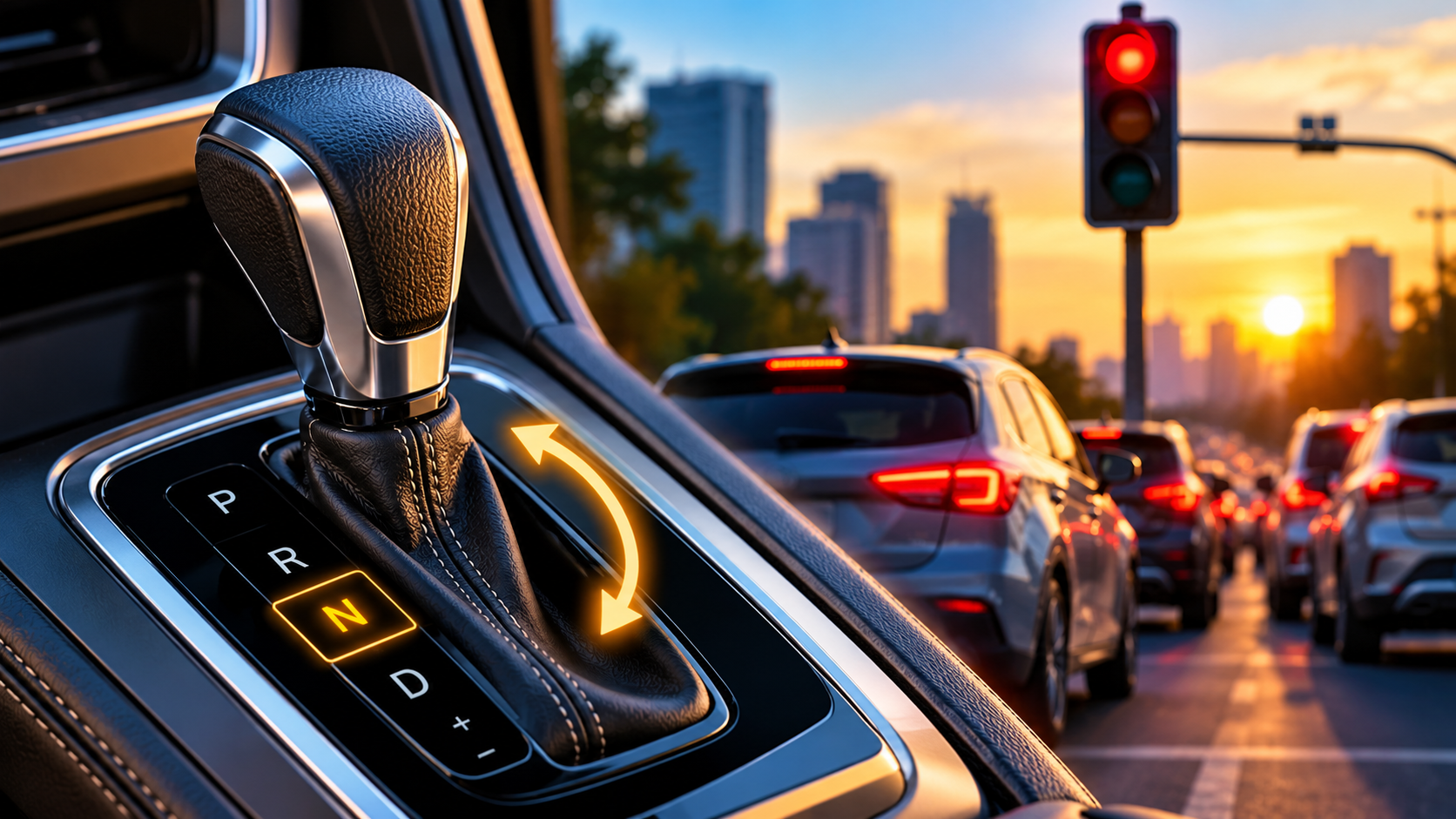
In most modern automatic cars, shifting into Neutral at every brief stop is not necessary. Automatic transmissions are designed to handle normal stop-and-go traffic while the vehicle remains in Drive, provided the driver holds the brake pedal and follows the manufacturer's instructions.
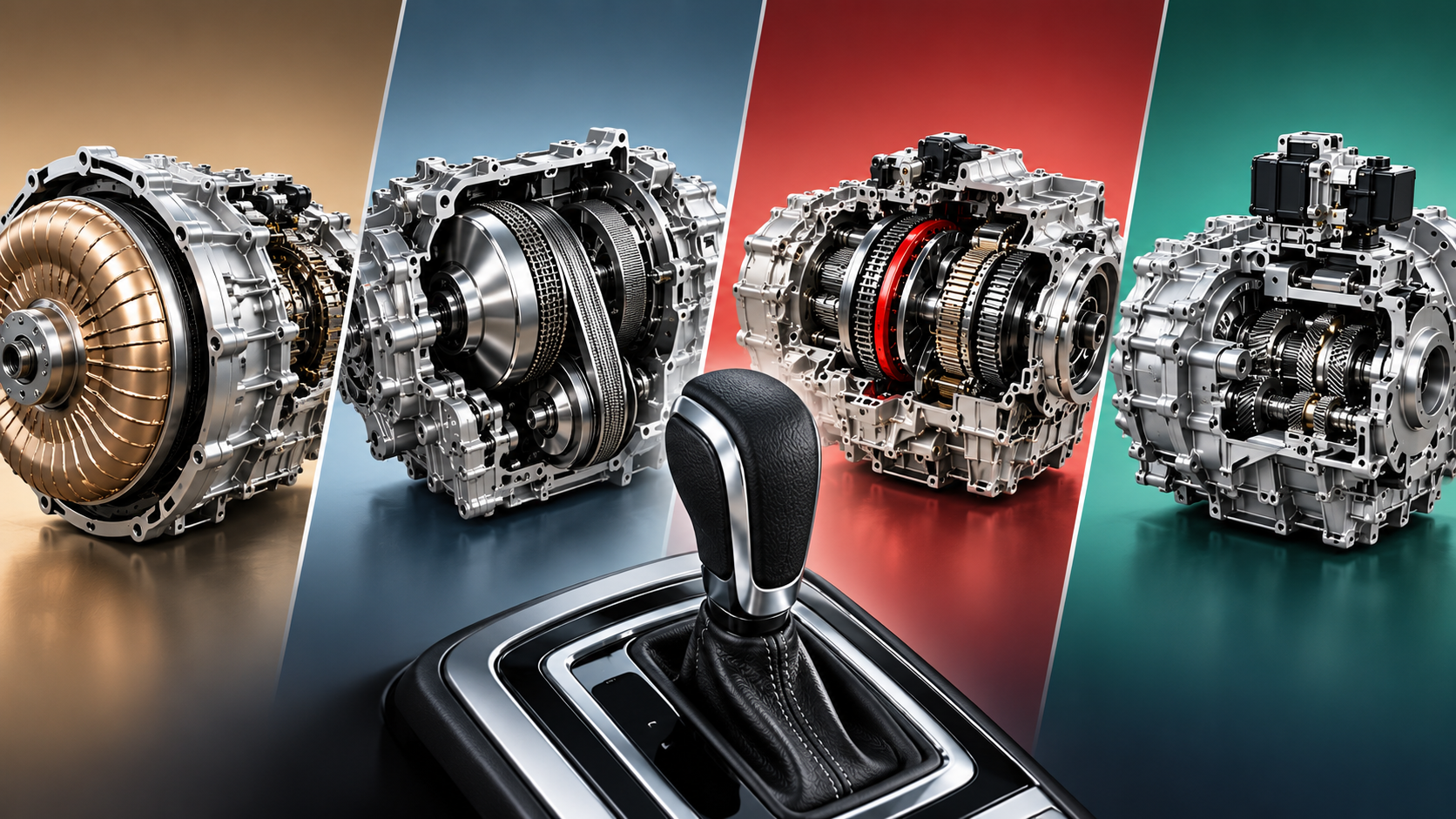
However, the right approach can vary depending on the transmission type, how long the vehicle will remain stationary, and the manufacturer's recommendations. Torque-converter automatics, continuously variable transmissions (CVTs), dual-clutch transmissions (DCTs) and automated manual transmissions (AMTs) do not all operate in exactly the same way.
How to Choose Between Two Similar Car Models: A Decision Framework
1. What Happens When an Automatic Car Stops in Drive?
When you drive an automatic car and come to a complete stop, the transmission does not necessarily disengage in the same way as a manual gearbox.
In a conventional torque-converter automatic, the torque converter allows the engine to continue running while the vehicle remains stationary. The driver can keep the selector in Drive and apply the brake pedal without needing to operate a clutch manually.
The transmission is engineered to accommodate this situation during normal use.
When the traffic light turns green, releasing the brake and applying the accelerator allows the vehicle to move forward. The transmission manages power delivery according to its design and control system.
Keeping the car in Drive at a short traffic stop is therefore generally normal operating behaviour.
However, this does not mean every transmission behaves identically. Some dual-clutch and automated manual systems use friction clutches that may disengage or change their operating state differently at low speeds. For these vehicles, following the manufacturer's guidance is particularly important.
2. Does Shifting into Neutral at Every Traffic Signal Protect the Gearbox?

The idea that shifting into Neutral at every brief stop automatically extends transmission life is misleading. There is no universal rule that every automatic car must be shifted into Neutral whenever it stops.
In many conventional automatic cars, remaining in Drive with the brake applied at a traffic signal is part of normal operation. Repeatedly moving the selector between Drive and Neutral is generally unnecessary during ordinary short stops.
There are a few important points to understand:
-
Normal stops are expected: Automatic transmissions are designed for routine stopping and starting.
-
Neutral does not automatically reduce all wear: The effect depends on the transmission design and operating conditions.
-
Frequent selector changes are unnecessary: Repeatedly shifting between D and N at every short signal adds an extra action without a proven universal benefit.
-
Different systems behave differently: A DCT or AMT may manage clutch engagement differently from a torque-converter automatic.
If your owner's manual specifies a different procedure for prolonged stops, overheating warnings or particular operating conditions, follow that advice.
New Car Delivery Day: What to Check Before You Drive Off
3. What Is the Difference Between Drive, Neutral and Park?
Understanding the three main selector positions can help drivers avoid unnecessary gear changes.

The normal position for forward driving. The transmission selects the appropriate ratio automatically, and the driver controls stopping and starting with the brake and accelerator.

Neutral (N)
Disengages the normal drive connection between the engine and driven wheels, depending on the transmission design. The car may roll freely if the brakes are not applied.

Park (P)
Engages a parking lock in most conventional automatic transmissions. It is intended to secure the vehicle when parked, not for use at every short traffic signal.
The most important distinction is that Neutral is not the same as Park. Neutral does not secure the vehicle against rolling, so the parking brake and service brake remain important whenever appropriate.
4. What Should You Do at a Red Traffic Signal?
For most modern automatic cars, the simplest approach at a brief red light is to remain in Drive and hold the brake pedal firmly.
Here is a practical guide for common driving situations:
|
Driving situation
|
Recommended approach
|
|
Brief traffic signal
|
Usually remain in D and hold the brake
|
|
Slow-moving traffic
|
Use D and control speed with the brake as appropriate
|
|
Long stop or extended stationary wait
|
Follow the owner's manual; N may be appropriate in some circumstances
|
|
Parking the vehicle
|
Select P and apply the parking brake as instructed
|
|
Stopping on a slope
|
Hold the vehicle with the brake or an appropriate hold function, not the accelerator
|
|
Transmission overheating warning
|
Stop safely and follow the vehicle's instructions
|
|
These are general guidelines. The correct procedure can differ by make, model and transmission technology.
|
5. Does the Advice Change for Different Automatic Gearboxes?
Yes. Although shifting into Neutral at every short stop is generally unnecessary, the transmission type can influence how a car behaves while stationary.
Torque-converter automatic
A conventional torque-converter automatic is designed to keep the engine running while the vehicle is stopped in Drive. The torque converter allows relative movement between its internal components, so the engine does not stall simply because the wheels are stationary.
For normal short stops, staying in Drive with the brake applied is generally appropriate.
Continuously variable transmission (CVT)
A CVT adjusts its transmission ratio continuously within its operating range. Many CVT-equipped cars are designed to remain in Drive at traffic lights without requiring a shift to Neutral.
Drivers should follow the specific vehicle manual, particularly when dealing with extended stops or unusual operating conditions.
How to Compare Car Variants: Base vs Mid vs Top Trim
Dual-clutch transmission (DCT)
A DCT uses two clutches to manage gear changes. Depending on its design, the transmission control system may disengage a clutch when the car stops.
Repeatedly changing between Drive and Neutral is not automatically necessary. However, prolonged creeping, repeatedly holding the car on a slope with the accelerator, and other driving habits that cause excessive clutch slipping can increase heat and wear in some DCT systems.
Automated manual transmission (AMT)
An AMT automates the clutch and gear changes of a manual transmission. Its control strategy may disengage the clutch when the car is stationary, but the exact behaviour varies by manufacturer.
For an AMT, follow the owner's manual regarding prolonged stops, hill starts and parking. Do not assume that advice for a conventional torque-converter automatic applies identically to every AMT.
6. Common Mistakes Automatic Car Drivers Should Avoid

Instead of worrying about shifting into Neutral at every signal, drivers should focus on habits that can genuinely improve safety and help prevent avoidable transmission stress.
-
Do not shift into Park while the car is moving. Park is intended for securing a stationary vehicle. Selecting it while moving can damage the transmission or engage a protective lockout, depending on the system.
-
Do not select Reverse before stopping completely. Always bring the vehicle to a complete stop before changing between forward and reverse directions.
-
Do not use the accelerator to hold the car on a hill. Use the brake pedal, Auto Hold or the parking brake as appropriate.
-
Avoid excessive creeping in traffic when possible. Repeatedly inching forward can create extra clutch heat in some DCT and AMT systems.
-
Do not ignore transmission warnings. Overheating alerts, unusual noises, delayed engagement or abnormal shifting should be checked promptly.
-
Follow the recommended service schedule. Use the specified transmission fluid and maintenance procedures for your particular vehicle.
Good driving habits and proper maintenance matter far more than following a blanket rule to shift into Neutral at every short stop.
Petrol vs Diesel vs CNG vs Electric Cars: How to Choose the Right Fuel Type
7. Is It Better to Use Neutral During a Long Traffic Jam?
There is no universal answer for every automatic car. The duration of the stop, the transmission design and the manufacturer's guidance all matter.
During a long stationary wait, selecting Neutral may be appropriate for some vehicles. In other vehicles, remaining in Drive with the brake applied is an intended operating condition. A car equipped with Auto Hold may also offer a convenient way to remain stationary without continuously pressing the brake pedal.
The important distinction is between a brief stop and a prolonged stationary period. Drivers should not assume that Neutral always reduces heat or wear, or that staying in Drive is always the best choice under every circumstance.
If you expect to remain stationary for an extended period, consult the owner's manual for the recommended procedure. When parking rather than waiting in traffic, use Park and the parking brake as instructed.

Conclusion: Myth or Fact?
The claim that shifting an automatic gearbox into Neutral at every brief stop is necessary is a myth.
Most modern automatic cars are designed to handle ordinary traffic signals while remaining in Drive, with the driver applying the brake. Moving into Neutral at every short stop is generally unnecessary and does not provide a guaranteed improvement in transmission life or fuel economy.
However, automatic transmissions are not all identical. Torque-converter automatics, CVTs, DCTs and AMTs can behave differently when stationary, so the manufacturer's recommendations should always take priority.
For everyday driving, remain attentive, use the brake correctly, avoid holding the car on a slope with the accelerator, and select Park when parking. These habits are more useful than repeatedly shifting between Drive and Neutral without a specific reason.

 Khyati Sharma 2026-09-13