.avif)

 Khyati Sharma 2026-11-04
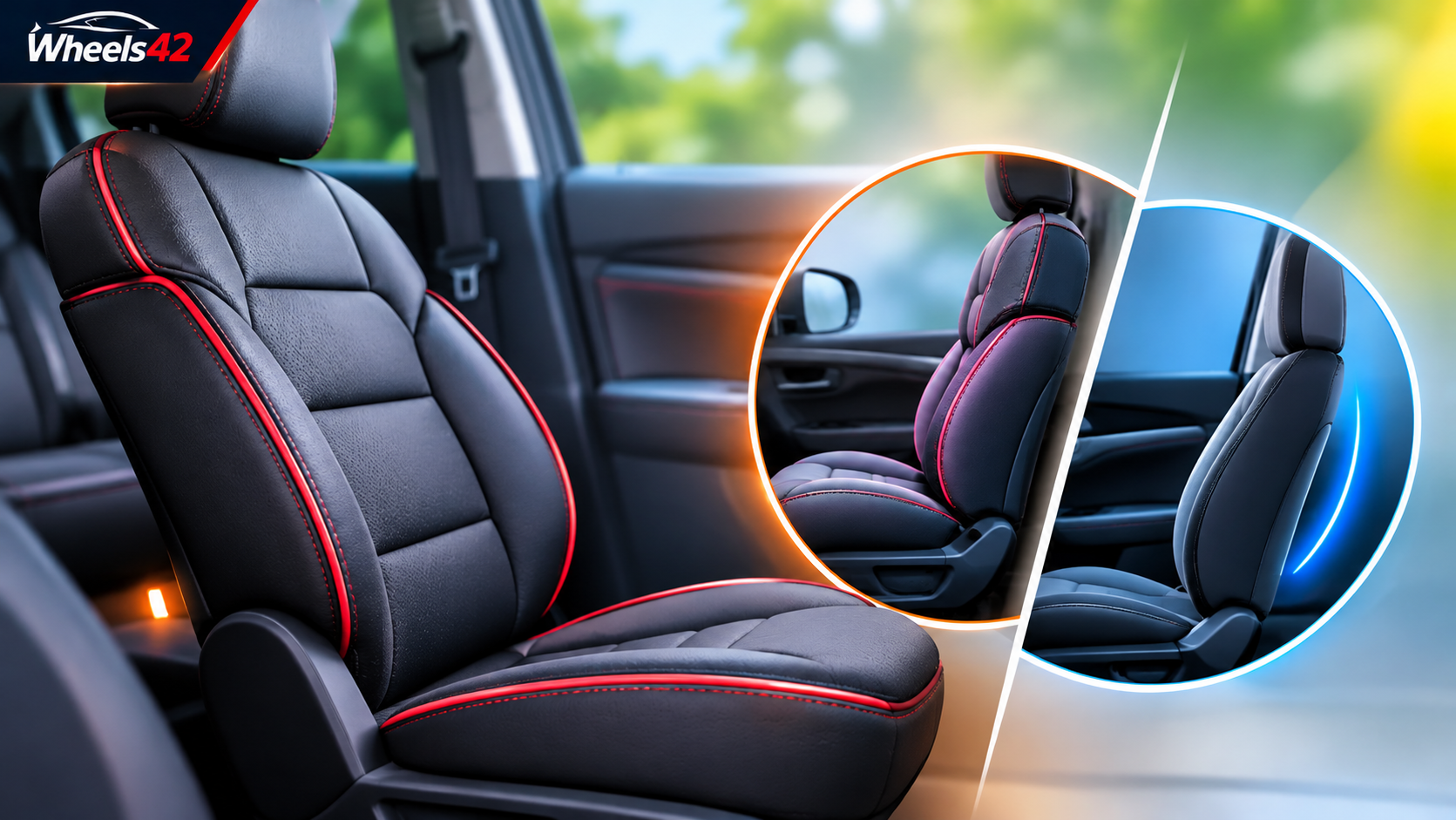
A comfortable car seat plays an important role in making every journey enjoyable, especially during long-distance driving. Many car owners believe that installing a thicker seat cover will automatically improve cushioning, reduce back pain and provide better support. However, this is not always true. Seat thickness and back support are two different things, and choosing the wrong seat cover can sometimes make a car seat less comfortable.
The actual comfort of a car seat depends on several factors, including foam density, seat design, lumbar support, body posture and the quality of the upholstery. A thick seat cover may feel soft when someone first sits on it, but that does not necessarily mean it provides proper support to the spine.
For drivers who spend several hours behind the wheel, understanding the difference between cushioning and support is important. A well-designed seat with suitable lumbar support can be more comfortable than a thick, soft seat cover that changes the original shape of the seat.
Ex-Showroom vs On-Road Price: What's the Real Difference?
Cushioning and back support are often confused, but they serve different purposes.
Cushioning refers to the softness or padding that makes a seat feel comfortable when a person sits on it. It helps distribute pressure and reduces the feeling of sitting on a hard surface.
Back support, on the other hand, refers to how effectively a seat helps maintain a comfortable sitting posture. It includes support for the lower back, upper back and natural curve of the spine.
A thick seat cover may add extra padding, but if it does not follow the shape of the original seat, it may create uneven pressure. For example, excessive padding around the lower back can push the body forward or change the angle at which the driver sits.
A properly designed seat should support the body without forcing it into an unnatural position. This is why the overall seat structure is generally more important than the thickness of the cover.

There are several reasons why adding extra thickness does not automatically improve seating comfort.
1. Extra Padding Can Change the Original Seat Shape
Car manufacturers design seats with specific contours to support the body. These contours are intended to provide support around the thighs, hips and back.
When a very thick seat cover is installed, it can change these contours. If the additional padding is uneven, it may create pressure points or reduce the effectiveness of the original seat design.
For example, a seat with built-in lumbar support may feel different after installing a bulky cover. The extra material can alter the contact between the back and the seat, making the original support less effective.
2. Softness Does Not Always Mean Proper Support
A very soft seat cover can feel comfortable initially because the body sinks into the padding. However, excessive softness may not provide enough resistance to support the body evenly.
Good support requires a suitable balance between softness and firmness. If the material compresses too easily, it may lose its cushioning effect during longer journeys.
This is particularly important for drivers who regularly travel long distances. A seat that feels luxurious for a few minutes may not remain comfortable after several hours.
3. Thick Covers May Create Uneven Pressure
The quality and distribution of padding matter more than its overall thickness.
If a seat cover has too much padding in one area and insufficient padding in another, it may cause uneven pressure on the body. This can make the seating position uncomfortable.
For example, excessive thickness near the lower back may push the lumbar region forward, while insufficient support around the hips may cause the body to sink into the seat.
A well-designed cover should maintain an even and comfortable seating surface.
4. Poor Fit Can Reduce Comfort
Seat covers are available in universal and vehicle-specific designs. Universal covers are made to fit several types of seats, while custom-fit covers are designed for particular vehicle models and seat shapes.
A poorly fitted cover can wrinkle, slide or bunch up when someone sits on it. These issues may affect posture and create uncomfortable pressure points.
A properly fitted cover is important because it should remain in position without disturbing the original seat shape.
5. Excessive Thickness Can Affect Driving Position
Adding a thick layer to a driver's seat can slightly change the height and seating position. Depending on the vehicle and the cover design, this may affect the driver's distance from the steering wheel, pedals and dashboard.
Drivers should make sure that any seat cover allows them to maintain a comfortable and safe driving position. The cover should not interfere with seat controls, seat-belt operation or side airbags.
Hatchback vs Sedan vs SUV: Which Car Type Suits You Best?
Instead of focusing only on thickness, car owners should consider the following factors when selecting seat covers or improving seat comfort.
Foam density: The quality of the cushioning material affects how well it retains its shape under body weight. Suitable density can help provide a balance of comfort and support.
Lumbar support: The lower back naturally has an inward curve. A seat with appropriate lumbar support can help maintain a more comfortable posture, particularly during longer drives.
Seat contour: The shape of the seat should support the hips, thighs and back without creating excessive pressure.
Material quality: Breathable materials can improve comfort in hot weather, while durable upholstery can handle regular use.
Correct fit: A seat cover should match the original seat dimensions and remain securely fitted.
Driving posture: Even a well-designed seat cannot compensate for poor sitting habits. Drivers should adjust the seat and steering wheel to maintain a comfortable position.
|
Seat Cover Type |
Comfort and Padding |
Key Advantages |
Things to Consider |
|
Fabric seat covers |
Usually moderate and breathable |
Comfortable for everyday use and available in many designs |
Quality varies depending on fabric and construction |
|
Leather seat covers |
Depends on the underlying padding |
Premium appearance and easy cleaning |
Can become hot in warm weather |
|
Artificial leather covers |
Depends on material and foam |
Stylish appearance and generally easy maintenance |
Breathability may be limited |
|
Mesh seat covers |
Usually lightweight with limited padding |
Better airflow and useful in warm conditions |
May not provide additional cushioning |
|
Memory foam seat covers |
Designed to mould under body pressure |
Can improve cushioning when properly designed |
Excessive thickness may alter seating position |
|
Gel seat cushions |
Designed to distribute pressure |
May help some users feel more comfortable |
Must be selected for proper fit and stability |
Thick seat covers do not automatically cause back pain. However, an unsuitable cover can contribute to discomfort if it changes the driver's seating posture or creates uneven pressure.
For example, a bulky cover may push the lower back into an uncomfortable position. A cover that slides around can also make it difficult to maintain a stable sitting posture.
It is important to understand that back discomfort can have several causes, including prolonged sitting, poor posture, existing back conditions and inadequate seat adjustment. A seat cover alone cannot diagnose or solve these problems.
If back pain continues, becomes severe or is accompanied by other symptoms, it is advisable to seek guidance from a qualified healthcare professional rather than relying on a thicker seat cover.

Before purchasing a new seat cover, consider how the vehicle is used and how much time is spent driving.
1. Check the original seat design
Look at the existing seat shape and identify whether it already has built-in lumbar support or additional cushioning. Choose a cover that preserves these features instead of hiding or changing them.
2. Prioritise proper fitting
A vehicle-specific cover is generally a better choice than a loose universal cover. It should fit the seat without excessive wrinkles, folds or movement.
3. Select suitable padding
Choose padding that feels supportive rather than simply soft. The cover should not make the seat excessively high or change the driver's natural sitting position.
4. Consider the climate
Breathable fabric and mesh materials can be useful in hot conditions. Leather-style materials may offer a premium appearance but can feel warmer, depending on the quality and ventilation.
5. Check safety compatibility
Modern car seats may include side airbags, seat-belt components and other safety-related features. Always select covers specifically designed to be compatible with the vehicle's seat and airbag arrangement. Never cover or obstruct an airbag deployment area.
6. Test the seating position
After installing the cover, adjust the seat and check whether the steering wheel, pedals and head restraint remain comfortably positioned. Make sure the cover does not interfere with any seat adjustment mechanism.
Documents Required to Buy a New Car in India (Complete Checklist)
A good seat cover is only one part of comfortable driving. Drivers can also make a few adjustments to improve their seating experience.
Adjust the seat so that the back rests comfortably against the backrest.
Keep the lower back supported without forcing it into an exaggerated curve.
Position the steering wheel so that the shoulders remain relaxed.
Adjust the seat distance to reach the pedals without stretching the legs.
Keep the head restraint correctly positioned.
Take regular breaks during long journeys and walk around when it is safe to do so.
Avoid keeping thick wallets or bulky objects in the back pocket while driving.
These simple habits can help reduce unnecessary strain during extended periods of sitting.
No, a thicker seat cover does not always provide better back support. While additional padding can improve cushioning in some situations, excessive or poorly designed padding may change the original seat shape, create uneven pressure and affect the driver's posture.
The right seat cover should offer a balance of cushioning, firmness, breathability and proper fitting. Drivers should also check whether the cover is compatible with the vehicle's safety features, particularly side airbags.
Ultimately, good back support comes from the complete seat design and correct seating position, not simply from the thickness of the seat cover. Before buying a new cover, focus on fit, material quality and support rather than assuming that more padding automatically means more comfort.













Hyundai
₹5.60 - 8.04 Lakh