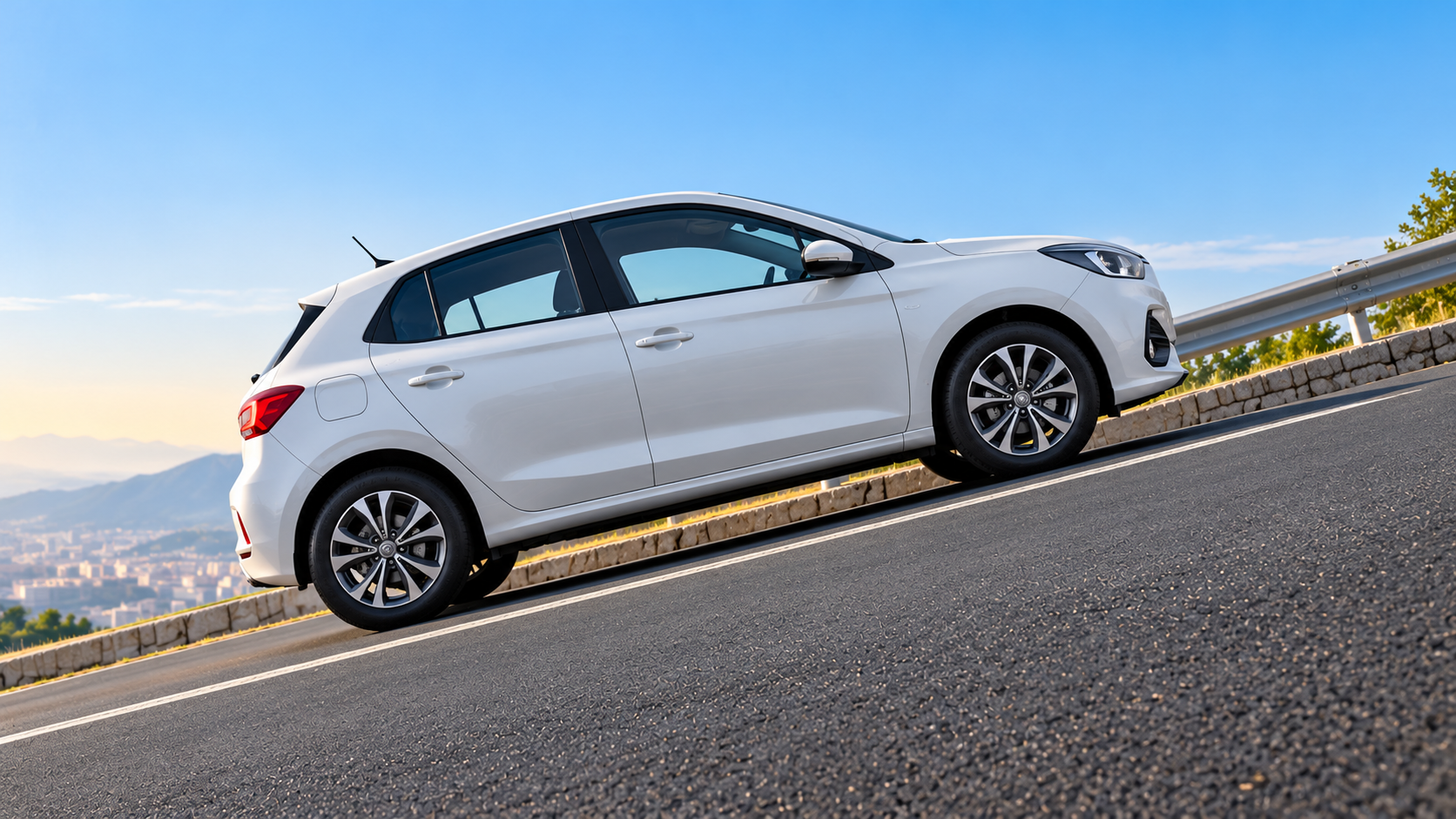
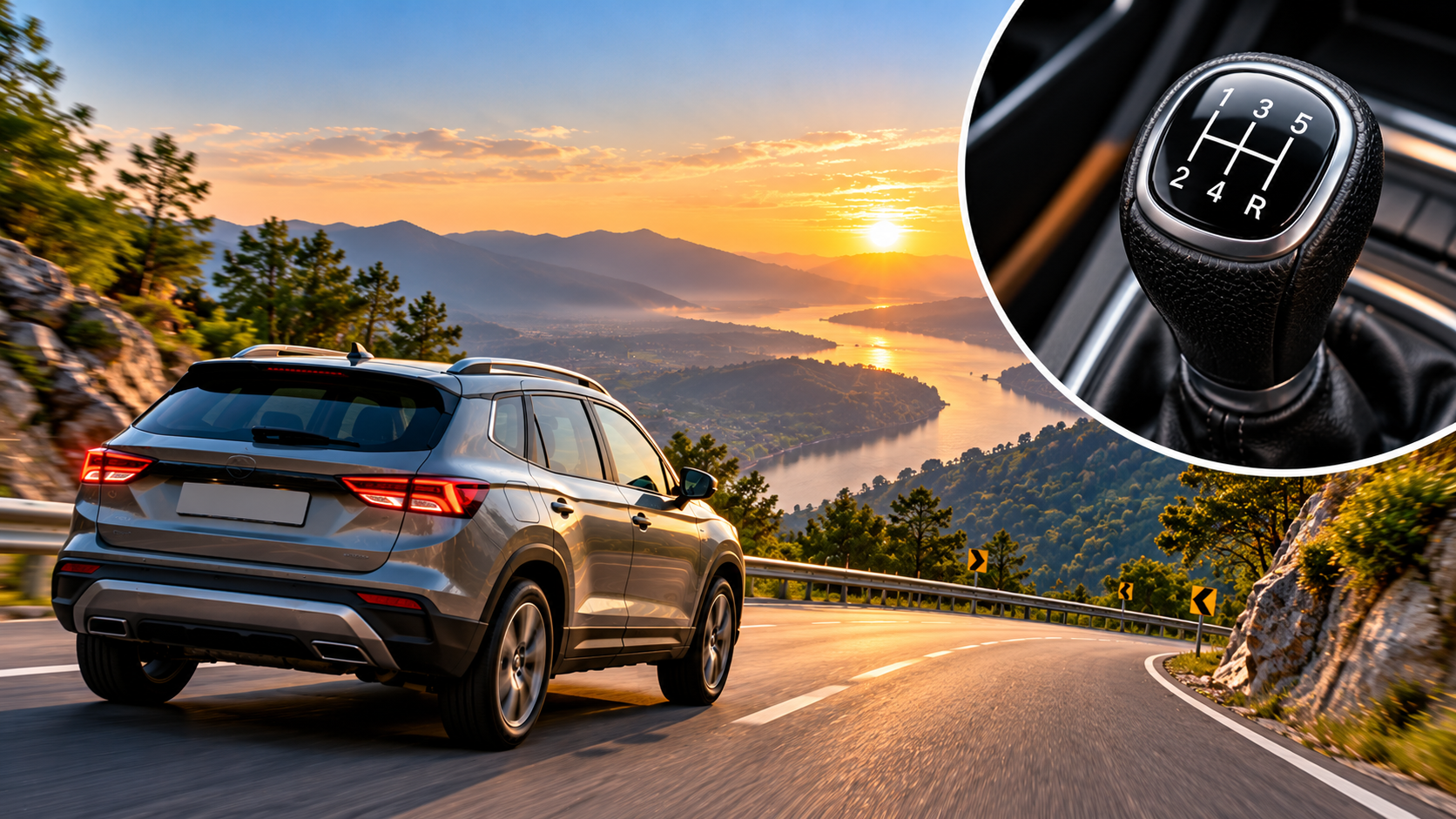
Many drivers who use manual-transmission cars develop the habit of holding their vehicles on an incline by balancing the clutch pedal and accelerator. This technique may seem convenient, especially when waiting at a traffic signal, driving in a traffic jam or starting on a steep hill. However, it can cause unnecessary clutch wear and may shorten the life of important transmission components.
The clutch is designed to connect and disconnect the engine from the gearbox, allowing the driver to change gears and move the car smoothly. When a driver keeps the clutch partially engaged to prevent the vehicle from rolling backwards, the clutch components can rub against each other while transmitting torque. This creates friction and heat.
Occasional clutch slipping during a normal hill start is expected. The problem arises when the driver repeatedly or continuously uses the clutch to hold the vehicle stationary instead of using the brakes.
Car Waiting Period: How to Get Your New Car Faster
1. What Happens When You Hold a Car on a Slope Using the Clutch?

In a manual car, the clutch connects the engine to the transmission. When the clutch pedal is fully pressed, the engine is disconnected from the gearbox. As the driver releases the pedal, the clutch begins to engage and gradually transfers engine power to the wheels.
This gradual engagement is useful when starting from a standstill, particularly on an incline. The driver can coordinate the clutch and accelerator to move the vehicle forward without stalling the engine.
However, a different situation occurs when the driver finds the clutch's biting point and holds it there to prevent the car from rolling backwards.
At this point, the clutch is only partially engaged. The engine and transmission are rotating at different speeds, causing friction between the clutch friction material and the flywheel or pressure plate.
That friction produces heat. If the driver continues to balance the clutch and accelerator while remaining stationary, the clutch can experience unnecessary thermal stress and accelerated wear.
The car may appear perfectly stable, but the clutch is doing work that the brakes should normally handle.
How to Compare Car Variants: Base vs Mid vs Top Trim
2. Why Is Clutch Balancing on a Slope Harmful?
There are several reasons why using the clutch as a substitute for the brakes is not recommended.
Excessive clutch plate wear
The clutch friction disc is designed to withstand controlled friction during gear changes and vehicle take-off. Holding it in a slipping state for extended periods increases frictional wear.
Over time, this can reduce the remaining friction material and lead to premature clutch replacement.
Excessive heat generation
Friction produces heat, and a slipping clutch can become very hot if the driver holds the vehicle this way for too long.
Repeated overheating can damage the friction material and affect other clutch components. In severe cases, the clutch may develop a burnt smell or lose its ability to transfer engine power effectively.
Increased repair expenses
Clutch replacement can involve significant labour because the gearbox may need to be removed to access the clutch assembly. The exact cost depends on the vehicle, parts prices and workshop charges.
Avoiding unnecessary clutch slipping can therefore help reduce maintenance expenses over the life of the car.
Unnecessary stress on the drivetrain
The clutch is only one part of the drivetrain. Repeated aggressive hill starts and excessive slipping can also place additional stress on related components, depending on the vehicle and driving conditions.
The key point is that a clutch should be used to engage the drivetrain smoothly, not as a parking device.
3. What Is the Difference Between a Normal Hill Start and Holding the Car with the Clutch?

It is important to understand that clutch slipping is not always harmful. A manual-transmission car needs some clutch slip when moving away from a complete stop. The difference lies in how long the clutch slips and how much heat it generates.
During a normal hill start, the driver releases the clutch progressively, applies suitable accelerator input and moves the vehicle forward. The clutch slips briefly while engine power is transferred to the wheels.
When the car begins moving, the driver should complete clutch engagement smoothly rather than holding it at the biting point unnecessarily.
By contrast, when the driver holds the car stationary on a slope using the clutch and accelerator, the clutch may continue slipping without the vehicle making meaningful progress. This creates avoidable friction and heat.
|
Driving situation
|
Effect on the clutch
|
Recommended action
|
|
Normal hill start
|
Brief, expected clutch slip
|
Release the clutch smoothly as the car moves
|
|
Holding the car at the biting point
|
Continued friction and heat
|
Use the brake or parking brake
|
|
Waiting at a traffic signal on a slope
|
Unnecessary wear if clutch is used to hold position
|
Keep the car secured with the brakes
|
|
Starting on a steep incline
|
Some clutch slip may be necessary
|
Use the parking brake or hill-hold assistance
|
|
Repeated aggressive hill starts
|
Greater risk of heat and accelerated wear
|
Use smooth, controlled starts
|
|
The objective is not to eliminate clutch slip completely. It is to avoid unnecessary slipping when the vehicle does not need to move.
|
4. How to Hold a Manual Car Safely on a Slope

There are safer alternatives to holding a car on an incline using the clutch.
New Car vs Used Car: Which One Should You Buy?
Method 1: Use the handbrake or parking brake
The parking brake is one of the simplest ways to prevent a manual car from rolling backwards.
When stopping on a slope, apply the footbrake and engage the parking brake securely. If you are waiting for traffic, keep the vehicle stationary using the brakes rather than balancing the clutch.
When it is time to move, coordinate the clutch and accelerator as usual. Release the parking brake when the engine is producing enough power to move the car safely, following the vehicle's recommended hill-start procedure.
This method helps prevent rollback without requiring the clutch to hold the vehicle's weight.
Method 2: Use the footbrake
For a brief stop, such as waiting at a traffic signal, you can keep the car stationary with the footbrake.
When preparing to move, engage first gear, release the clutch progressively and apply appropriate accelerator input. Release the brake as the car is ready to move forward.
The timing depends on the slope, the vehicle and the driver's experience. Avoid rushing the process, as an abrupt clutch release can stall the engine.
Method 3: Use hill-start assist
Some modern cars have hill-start assist, a feature that temporarily maintains brake pressure when the driver moves from the brake pedal to the accelerator on an incline.
This can make hill starts easier by reducing the chance of the car rolling backwards. The system's operation and holding time vary by manufacturer, so consult the owner's manual.
Hill-start assist is a convenience feature, not a replacement for understanding the correct use of the clutch and brakes.
5. Warning Signs of Clutch Damage

If you regularly hold your car on slopes using the clutch, it is worth watching for symptoms of excessive wear or overheating.
-
Burning smell: A sharp, burnt odour after a hill start can indicate an overheated clutch, although other sources are possible.
-
Engine revs rise without matching acceleration: This may indicate clutch slipping, particularly under acceleration.
-
Difficulty moving uphill: A worn clutch may struggle to transmit sufficient engine torque.
-
Judder during take-off: Vibration when engaging the clutch can have several causes, including clutch or mounting problems.
-
Unusual clutch-pedal behaviour: A change in pedal feel or engagement point can indicate a fault, although the cause needs diagnosis.
These symptoms do not automatically mean the clutch needs replacing. Other mechanical issues can produce similar signs. If the symptoms persist, have the vehicle inspected by a qualified mechanic.
If you notice a strong burning smell or obvious loss of drive, stop somewhere safe and avoid repeatedly attempting to move the car under heavy load.
Manual vs Automatic Car: Pros and Cons Explained
6. Does Holding a Car with the Clutch Increase Fuel Consumption?
Yes, it can contribute to inefficient driving, although the amount depends on the situation.
When the engine is running and the clutch is slipping, some engine energy is converted into heat rather than useful movement. The driver may also press the accelerator more than necessary to keep the engine from stalling.
Using the brakes to hold the vehicle stationary avoids relying on clutch friction to resist gravity. However, the fuel savings from changing this habit alone may be small and will vary according to the vehicle and driving conditions.
For better efficiency, avoid unnecessary acceleration, complete hill starts smoothly and do not keep the engine revving excessively while the vehicle is stationary.
7. Common Myths About Using the Clutch on a Slope
Myth 1: Holding a car with the clutch does not cause damage.
Fact: Prolonged clutch slipping generates friction and heat, potentially accelerating wear.
Myth 2: The accelerator should always be pressed harder on a hill.
Fact: Excessive throttle can increase clutch heat and make the car harder to control. Use the appropriate engine speed for the vehicle and slope.
Myth 3: Using the handbrake for hill starts damages the car.
Fact: Using the parking brake correctly is a normal way to prevent rollback. Follow the vehicle's recommended procedure.
Myth 4: A burning clutch smell is normal after every hill start.
Fact: A strong or recurring burning smell can indicate excessive clutch heat and should not be ignored.
Myth 5: Replacing the clutch is always cheap and simple.
Fact: Replacement costs vary considerably by vehicle and workshop, and access to the clutch assembly can involve substantial labour.
8. Practical Tips to Extend Clutch Life
Drivers can reduce unnecessary clutch wear by following a few simple habits:
-
Use the parking brake or footbrake to hold the car on a slope.
-
Avoid keeping the clutch pedal partially pressed for extended periods.
-
Do not rest your foot on the clutch pedal while driving.
-
Release the clutch smoothly after the vehicle begins moving.
-
Avoid aggressive acceleration during hill starts.
-
Maintain a safe following distance in traffic instead of repeatedly creeping forward.
-
Have persistent clutch slipping, judder or unusual smells checked promptly.
These practices are useful for everyday driving, especially in hilly areas and congested Indian cities where repeated stops and starts are common.
Conclusion: Myth or Fact?
The claim that holding a car on a slope using the clutch is harmless is a myth. Although brief clutch slipping is a normal part of starting a manual car, using the clutch continuously to prevent the vehicle from rolling backwards can cause excessive friction, heat and premature wear.
The safer approach is to use the footbrake or parking brake to keep the vehicle stationary, then coordinate the clutch and accelerator when moving off. Hill-start assist can also help where available.
A little care when driving on slopes can reduce unnecessary clutch wear, help avoid expensive repairs and make hill starts safer and more controlled.

 Khyati Sharma 2026-09-08